
Curated houseplant path
Fast-growing trailing plants for shelves, hangers, and cuttings
Trailing plants make rooms feel full quickly and are useful for propagation practice. They still need enough light to stay compact, enough pruning to branch, and enough space so long vines do not become thin and tired.
Plants In This Collection
Start by comparing the plant profiles below. The right choice depends on your light, watering habits, humidity, available space, and whether pets or children can reach the plant.
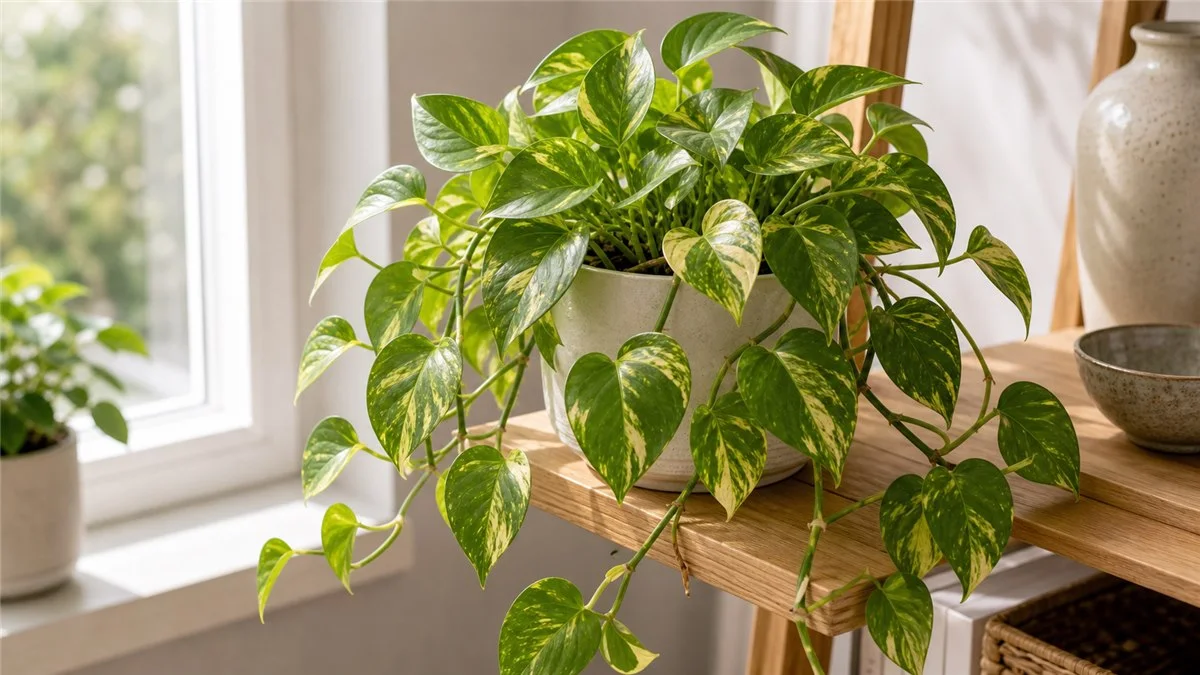 Golden pothos
Very easy - Low to bright indirect light
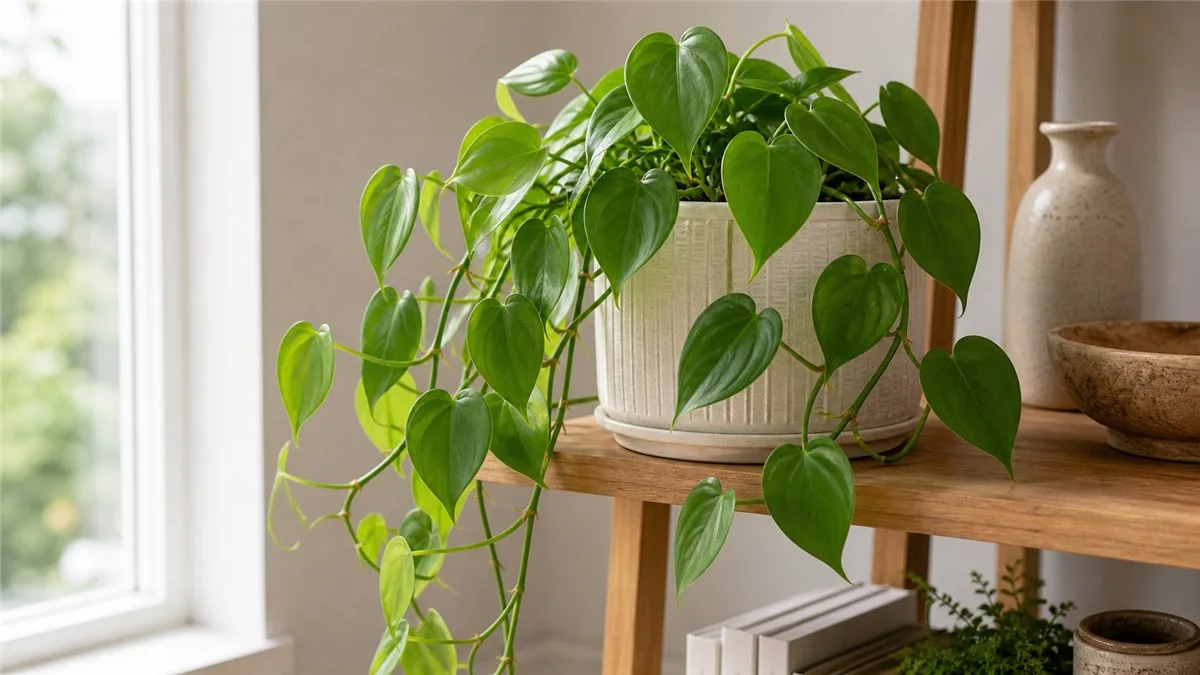
Heartleaf philodendron
Easy - Medium to bright indirect light
Golden pothos
Very easy - Low to bright indirect light
Heartleaf philodendron
Easy - Medium to bright indirect light
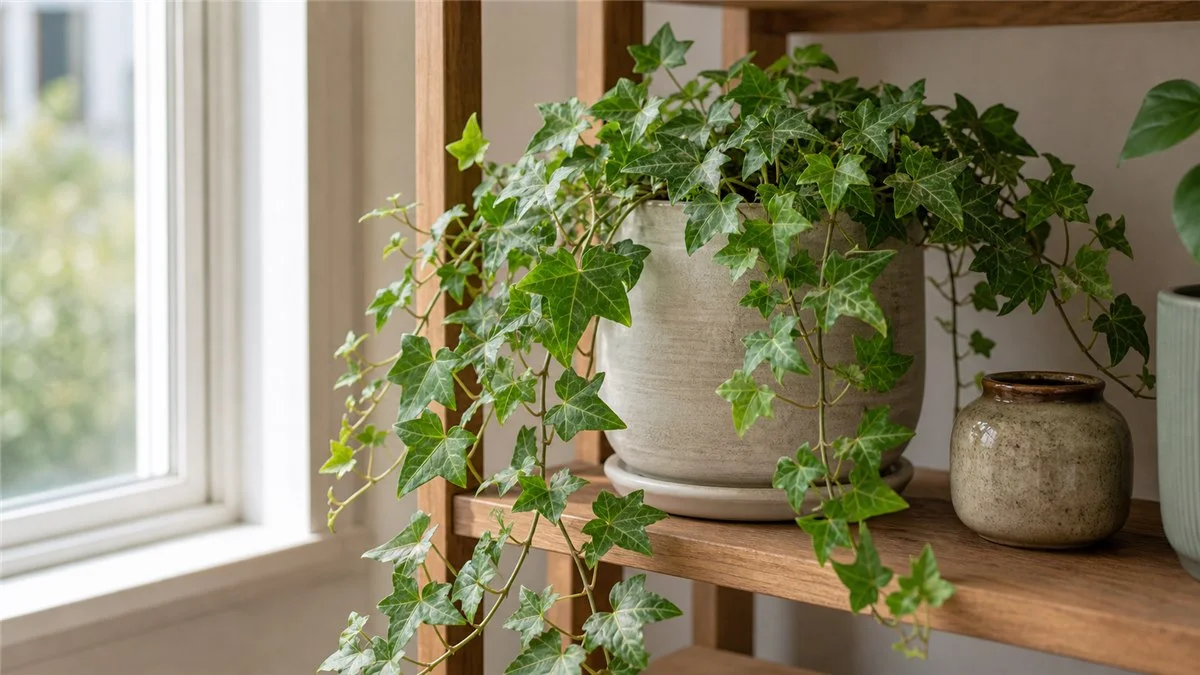 English ivy
Moderate - Bright indirect to medium light
English ivy
Moderate - Bright indirect to medium light
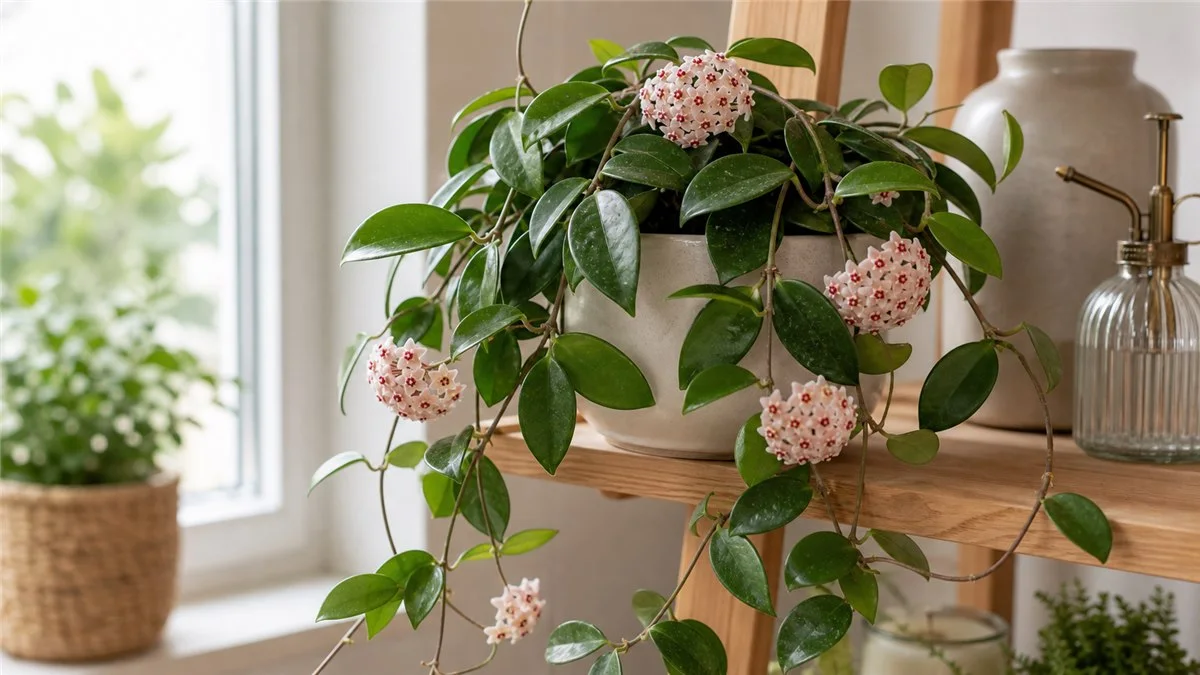 Wax plant
Easy to moderate - Bright indirect light with gentle sun
Wax plant
Easy to moderate - Bright indirect light with gentle sun
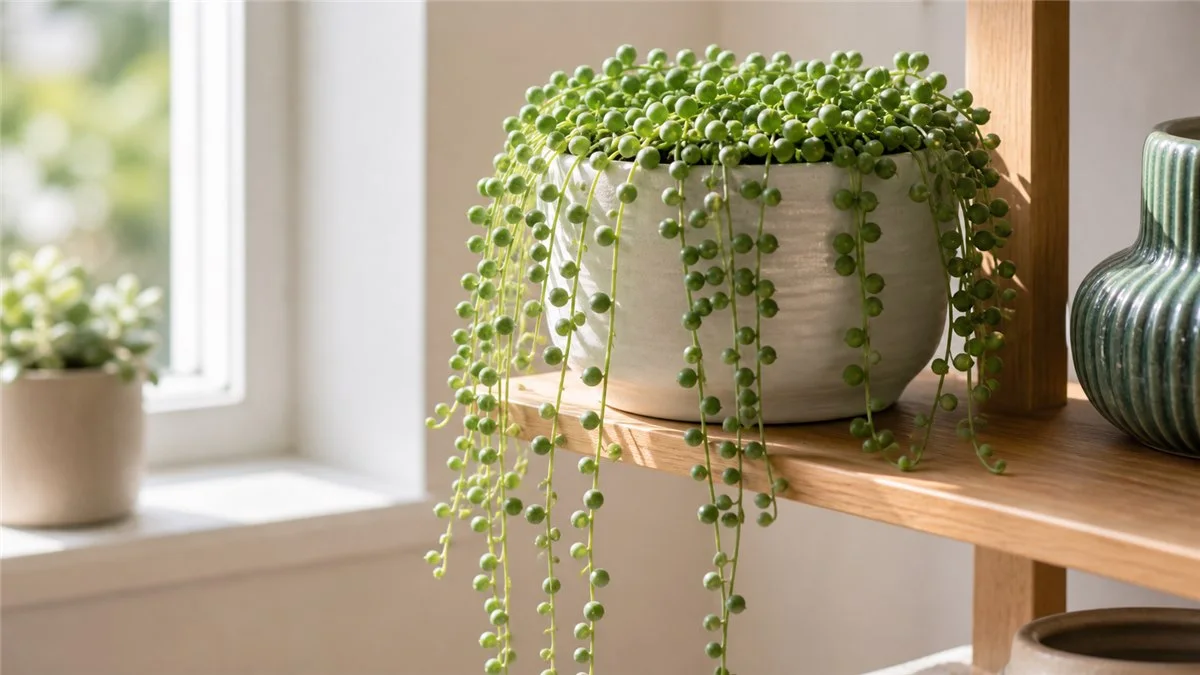 String of pearls
Moderate - Very bright indirect light with some gentle morning sun
String of pearls
Moderate - Very bright indirect light with some gentle morning sun
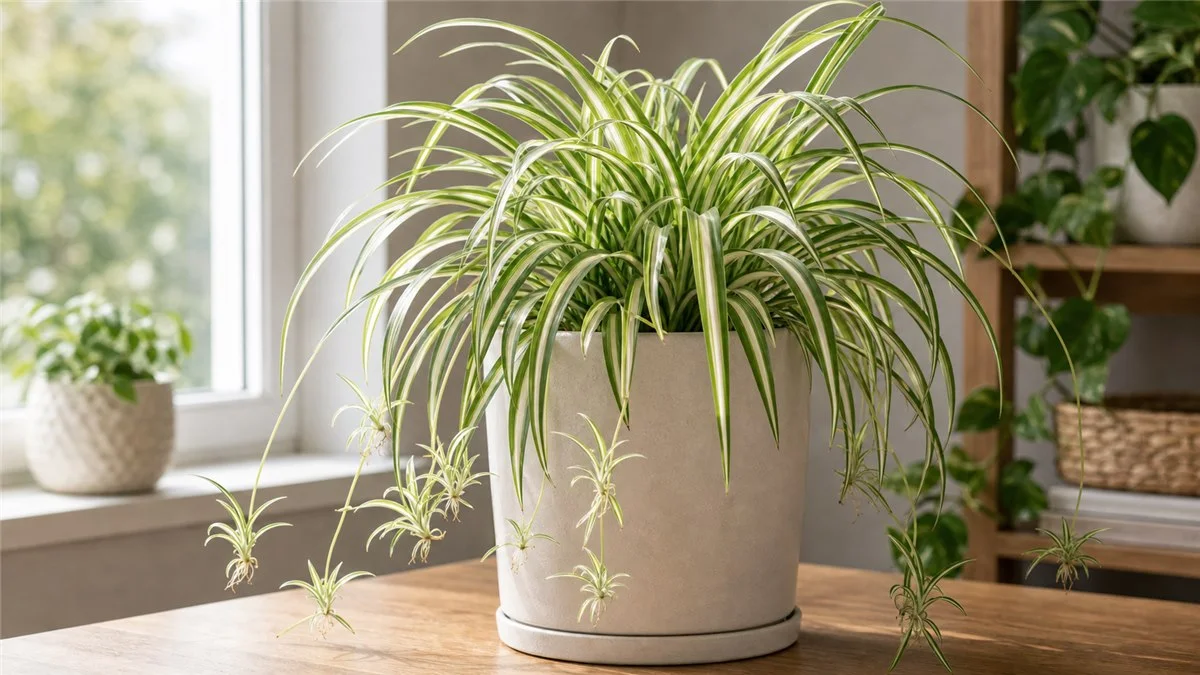 Spider plant
Easy - Medium to bright indirect light
Spider plant
Easy - Medium to bright indirect light
How To Choose
Care Notes
Use the collection theme as a starting point, then read the individual plant profile before making care changes. A plant can belong in a low-light, pet-safer, or drought-tolerant group and still have species-specific limits.
- Prune above nodes to encourage fuller branching instead of one long sparse strand.
- Rotate hanging plants because light usually reaches one side more strongly.
- Refresh old vines with cuttings when the top of the pot becomes bare.
What To Avoid
- Do not place trailing plants so high that you cannot inspect soil or pests.
- Do not let vines sit on cold windows or hot radiators.
- Do not fertilize weak, stretched vines as a substitute for better light.
Problem Checks For This Collection
These are the troubleshooting guides most likely to matter for the plants in this group. Use them before changing watering, light, soil, fertilizer, or pest treatment all at once.