
Clumping foliage care profile
Spider plant Care Guide
Spider plants are fast, forgiving, and easy to propagate from plantlets. Brown tips are common and usually point to water quality, dryness, or fertilizer salts.
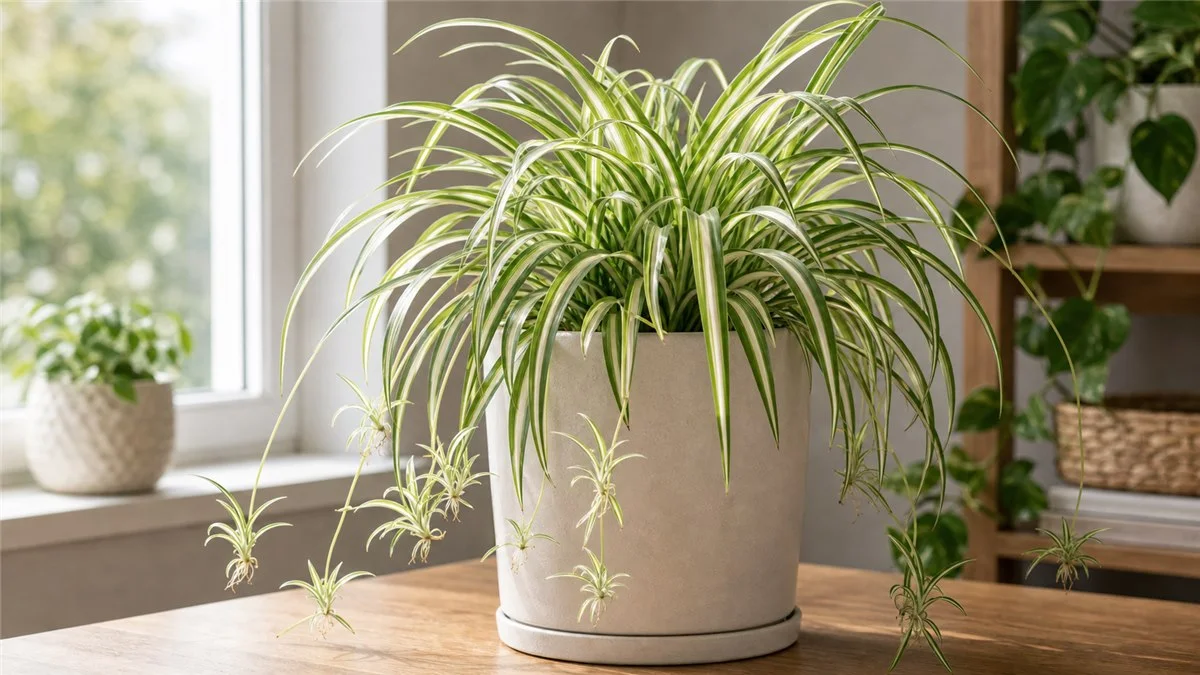
Quick Care Table
Light
Spider plant does best in medium to bright indirect light. Use leaf posture, new growth, and drying speed as your practical feedback. If growth becomes stretched, pale, or smaller than expected, move the plant closer to a brighter window gradually instead of making a sudden full-sun jump.
Watering
Water when the top inch or two dries. Always check the actual potting mix before watering. Pot size, root mass, light, season, temperature, and soil texture can change the interval by several days, so a fixed calendar should only be a reminder to inspect.
Soil and Potting
Use standard indoor potting mix with drainage. The right mix should hold enough moisture for the roots but still let excess water leave the pot quickly. If the plant stays wet for many days, improve drainage, increase light, or check whether the pot is too large for the root ball.
Temperature and Humidity
Keep the plant away from cold drafts, heat vents, and sudden placement changes. Stable conditions are especially important after repotting, pruning, shipping, or moving the plant to a new room.
Common Problems
Most spider plant problems come from a short list of stress points: moisture, light, root health, temperature swings, pests, or recent changes. Start by matching the visible symptom to the recent care history.
- Brown tips
- Pale leaves in harsh sun
- No plantlets in low light
- Root crowding in small pots
Problem Guides For This Plant
Use these troubleshooting guides when the symptom matches what you are seeing. Check root moisture, light, and recent changes before adjusting several parts of care at once.
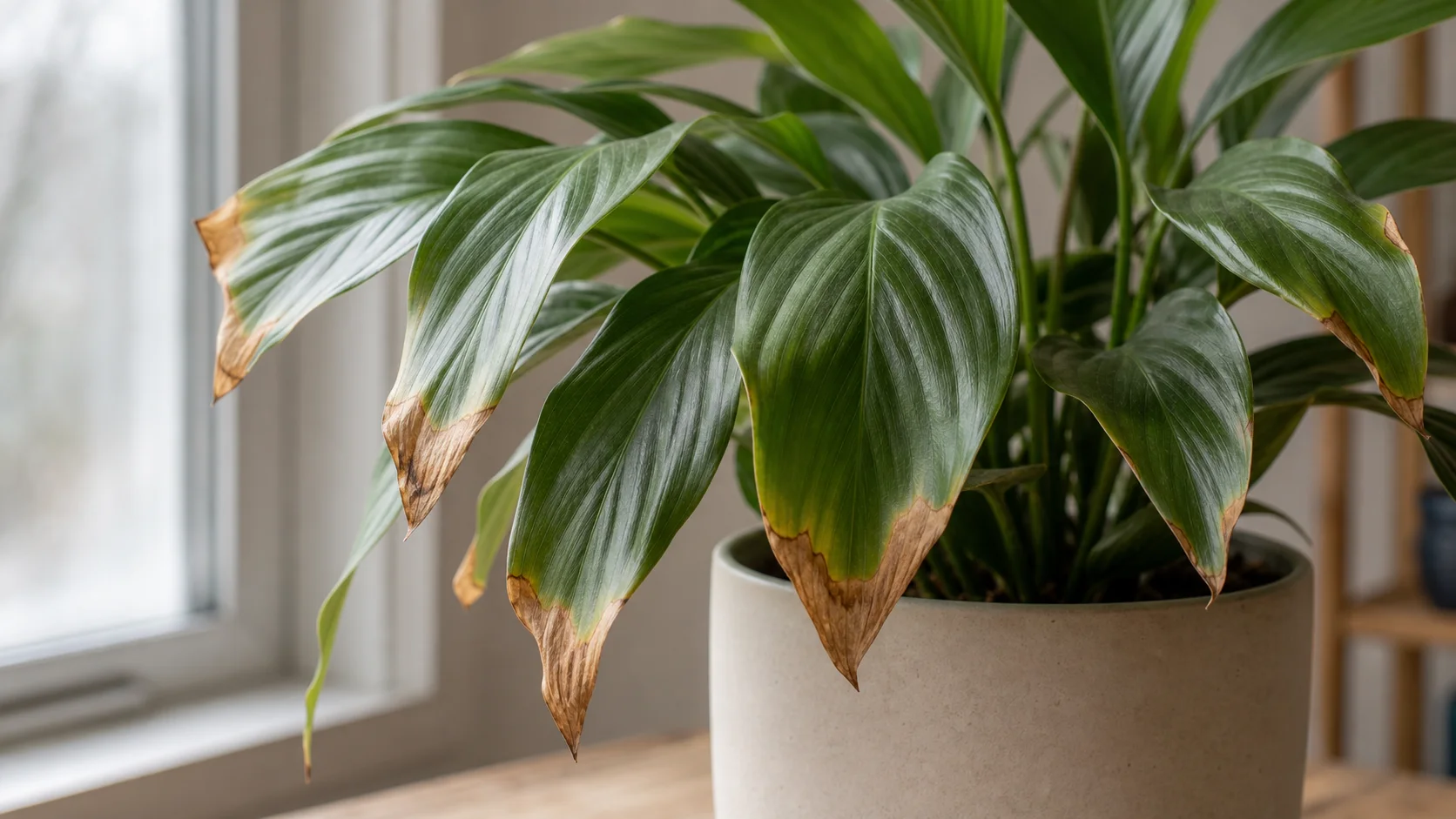 Brown TipsBrown tips usually point to dry air, inconsistent watering, mineral buildup, fertilizer burn, or stress around sensitive leaf edges. The goal is to stabilize care and protect new growth.
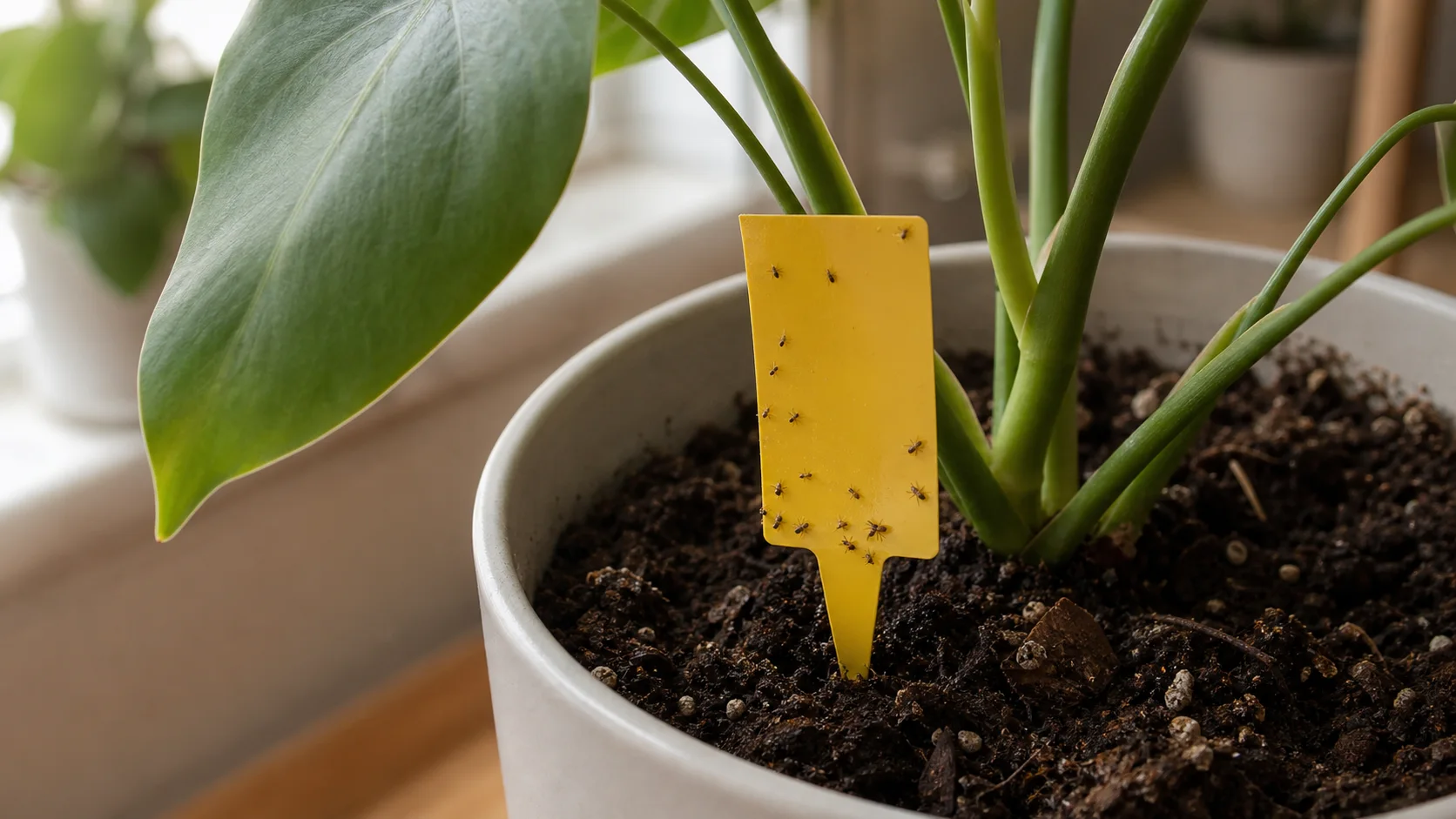 Fungus GnatsFungus gnats thrive in damp organic potting mix. Control works best when you combine drying the top layer, catching adults, and interrupting larvae in the soil.
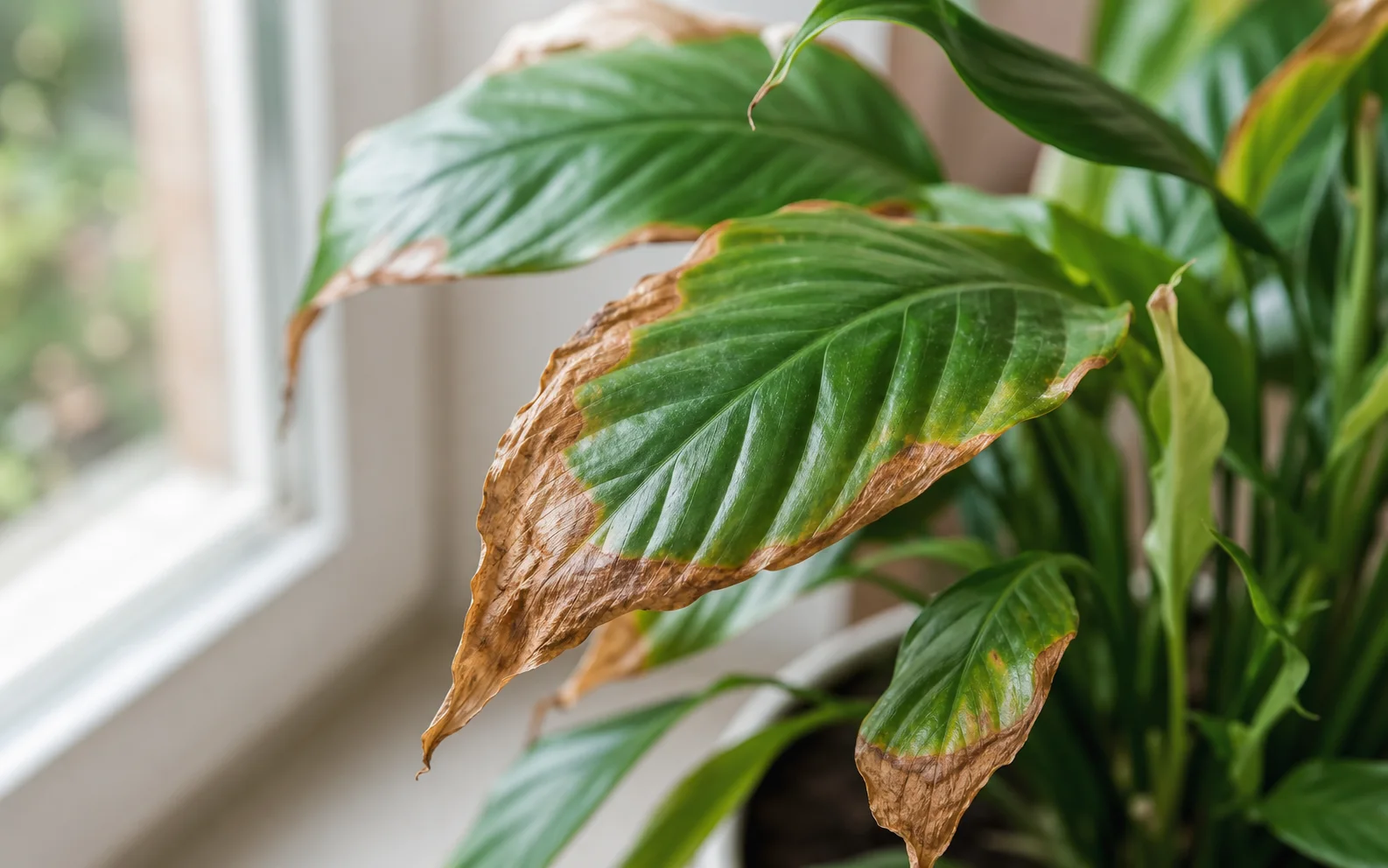 Crispy LeavesCrispy leaves can come from dry air, underwatering, heat, harsh sun, mineral buildup, or damaged roots. The pattern matters: edges, tips, whole leaves, and new growth each point to different checks.
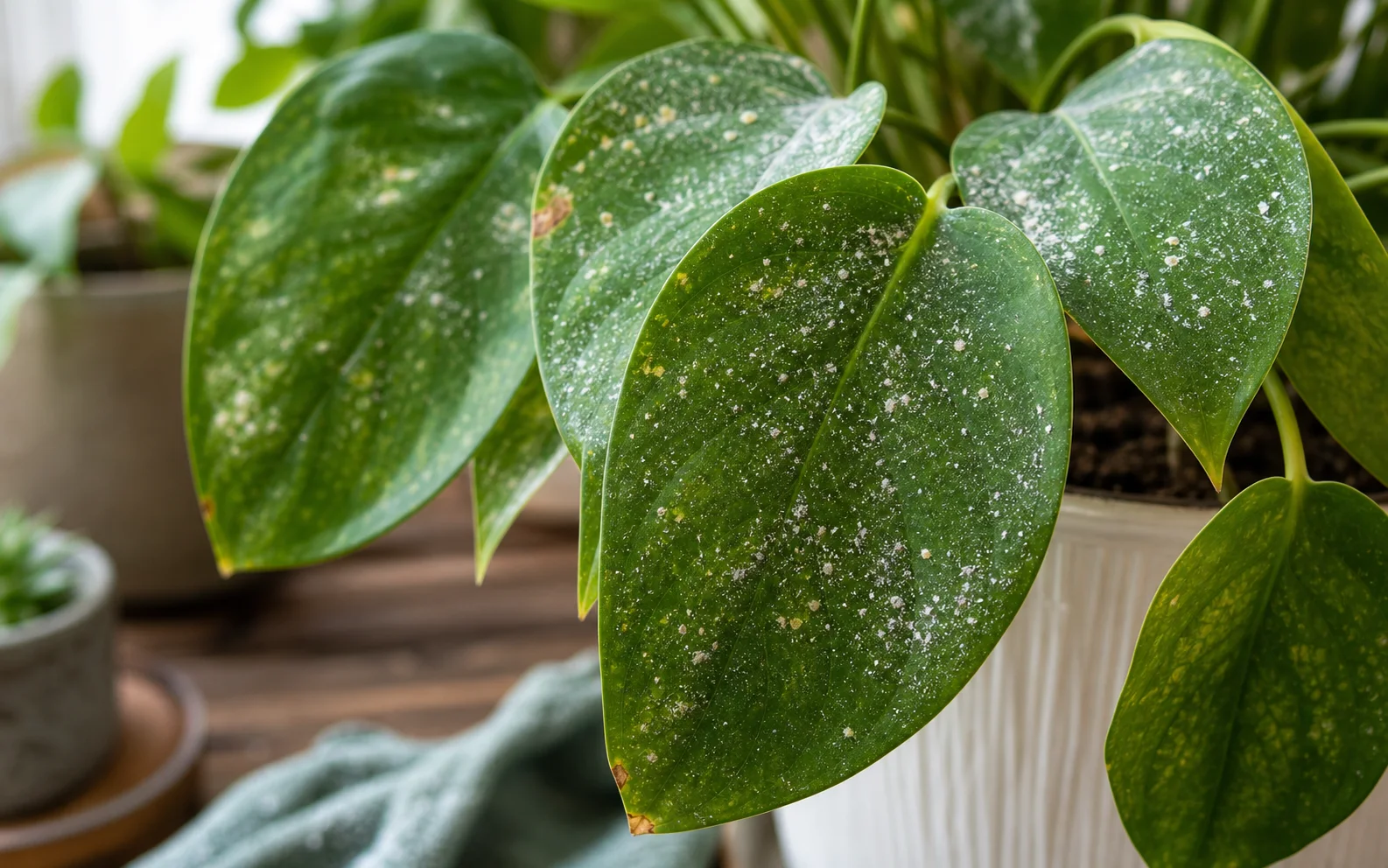 White Spots on LeavesWhite spots can be mineral residue, pest damage, powdery mildew, edema, sun damage, or natural markings. The first step is to decide whether the spots wipe off, spread, move, or follow a care pattern.
Collections Featuring This Plant
Compare this plant with nearby choices before buying another pot or moving it to a different room. Collections are organized by light, humidity, routine, safety, and growth habit.
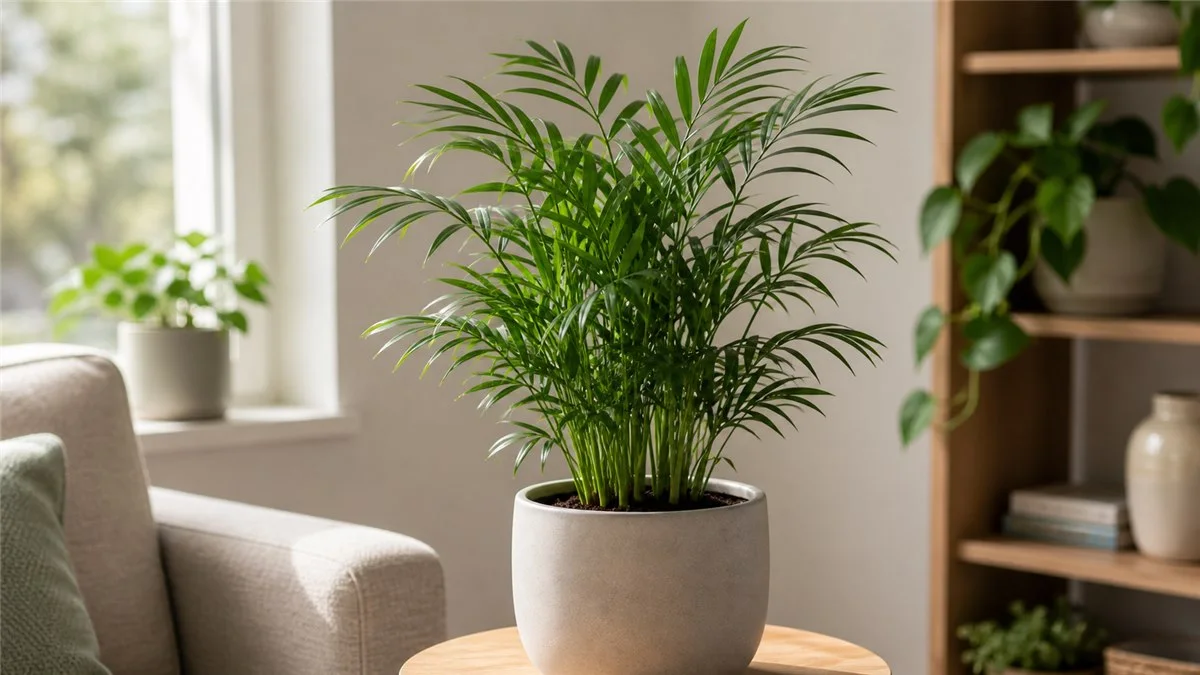 Pet-Safe HouseplantsThis collection focuses on houseplants commonly grown in pet households. Pet-safe does not mean chew-proof or risk-free, but these choices are better starting points than toxic foliage plants when animals investigate leaves.
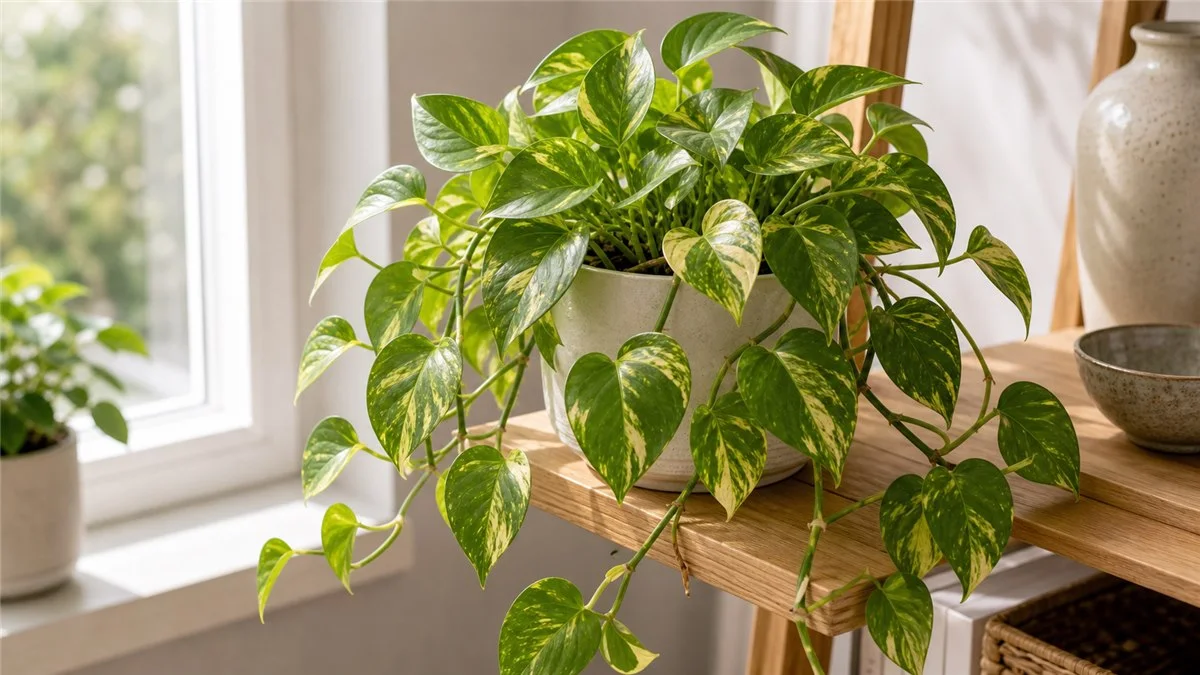 Beginner-Friendly HouseplantsThe best beginner plants are not only tough. They give clear feedback, recover from small mistakes, and help you learn watering, light, pruning, and repotting without making every mistake feel fatal.
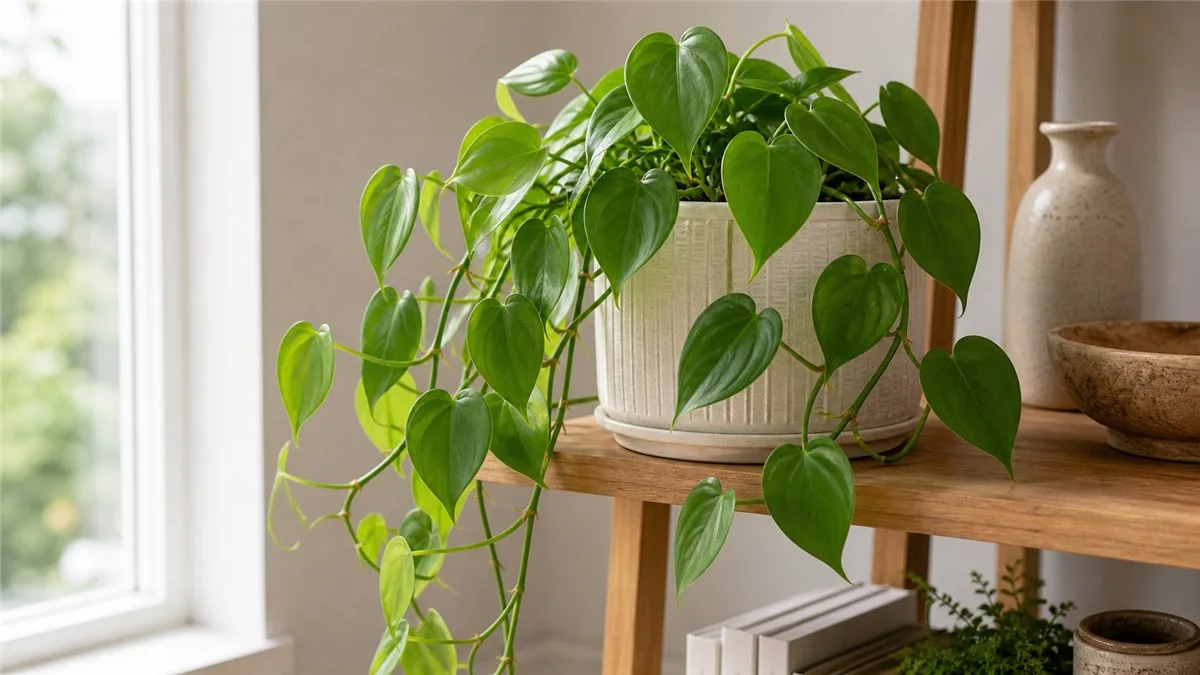 Fast-Growing Trailing PlantsTrailing plants make rooms feel full quickly and are useful for propagation practice. They still need enough light to stay compact, enough pruning to branch, and enough space so long vines do not become thin and tired.
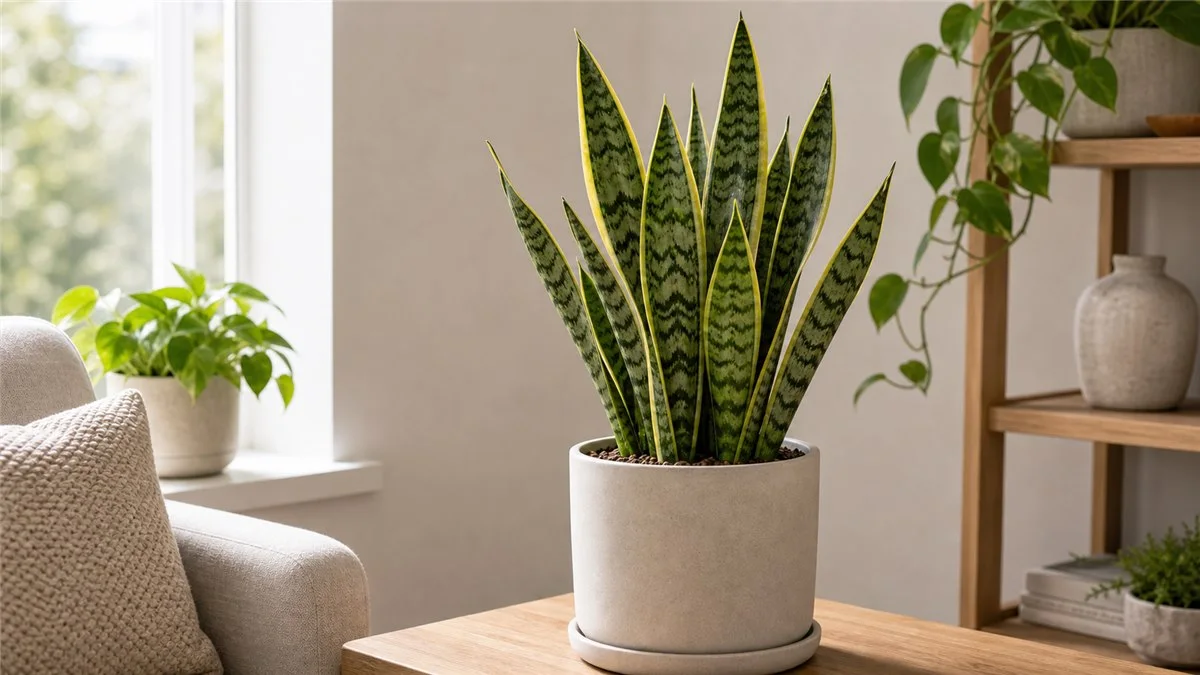 Hard-To-Kill HouseplantsNo houseplant is unkillable, but some tolerate missed watering, imperfect light, dry air, and beginner mistakes better than others. These plants are strong candidates when you want confidence before building a larger collection.
Care Notes
- Flush soil occasionally if using tap water.
- Give bright indirect light for plantlets.
- Trim brown tips for appearance only.
Before You Change Care
Check soil moisture, light exposure, pot drainage, recent moves, temperature swings, and pest signs before changing several variables at once. Most houseplants respond more clearly when you adjust one likely issue, then watch new growth.
Pet and Household Safety
Generally considered non-toxic to pets. Plant identity matters, because common names can overlap. If a pet or child chews the plant and symptoms appear, contact a veterinarian, poison control service, or local medical professional rather than waiting on a plant-care guide.