What Is Bright Indirect Light for Plants?
Learn what bright indirect light means, how to test it with shadows, place plants by window direction, and use grow lights effectively indoors.
Quick Answer
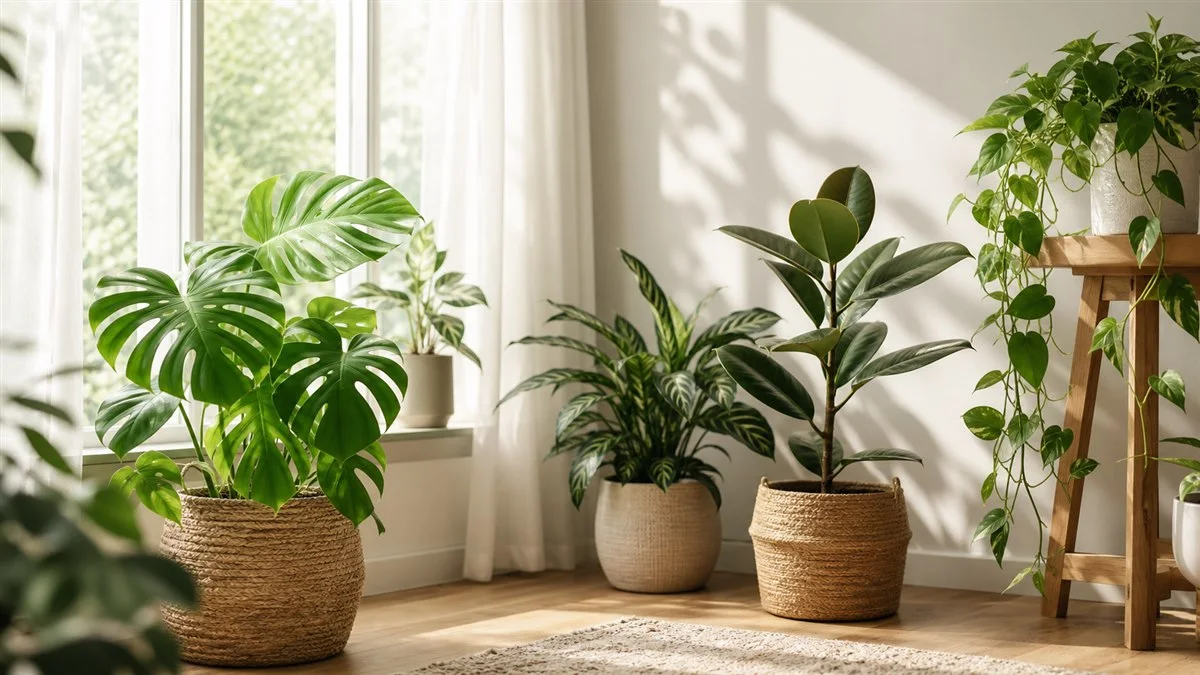
Bright indirect light refers to light that is bright but not directly shining on the plant. This condition is essential for many houseplants, as it provides adequate light for photosynthesis without the risk of leaf scorch or damage. Typically, this light is filtered through sheer curtains or is located a few feet away from a south or west-facing window.
Why This Issue Matters
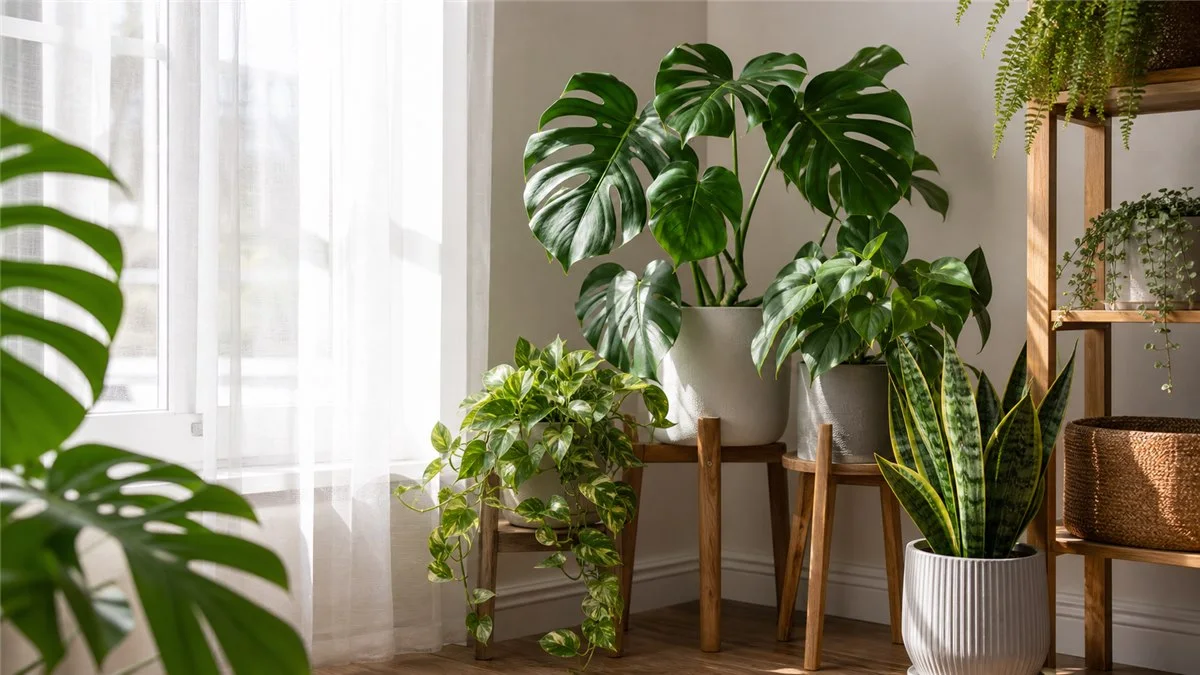
Understanding bright indirect light is crucial for maintaining healthy houseplants. Many popular species thrive in these conditions, and recognizing the right light levels can prevent issues such as stunted growth, leaf drop, or burning. Proper light management can enhance your plant's growth and overall well-being.
Recognizing Bright Indirect Light
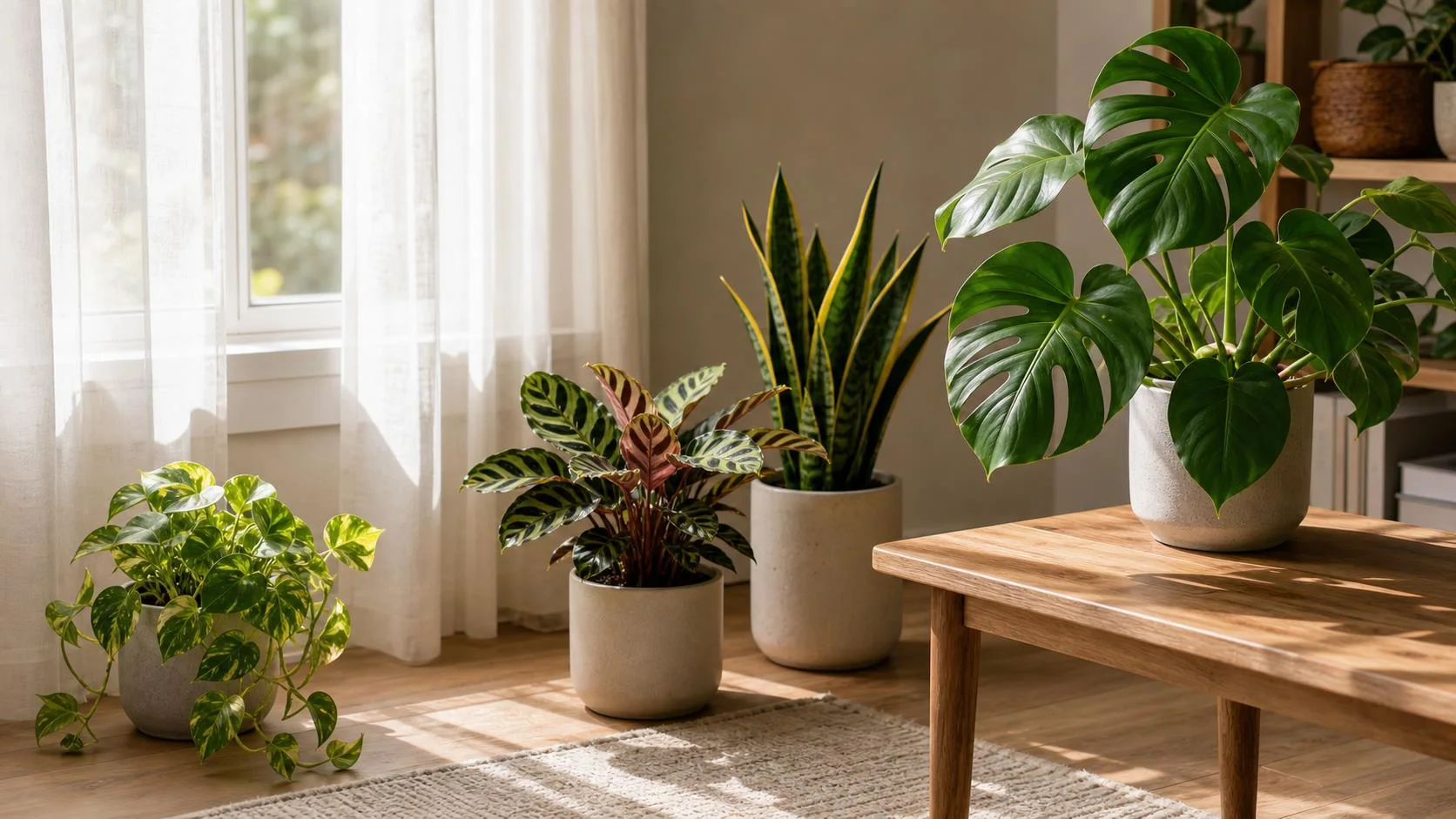
To effectively determine whether your plants are receiving bright indirect light, consider the following factors:
Shadows
- Strong Shadows: If you can see a distinct shadow when holding your hand in front of the light source, it's likely bright indirect light.
- Soft Shadows: A soft shadow indicates lower light levels and may not be suitable for plants requiring bright indirect light.
Window Direction
- South-Facing Windows: Generally provide the brightest light and are ideal for bright indirect light conditions.
- West-Facing Windows: Also offer strong light, but may need filtering during the hottest part of the day.
- East-Facing Windows: Provide softer morning light, which can also be suitable for many houseplants.
- North-Facing Windows: Typically receive less light and may not be suitable for plants needing bright indirect light.
Distance from Glass
Plants should ideally be placed 2-4 feet away from windows to receive bright indirect light. This distance allows for adequate light without the harshness of direct sunlight.
Sheer Curtains
Using sheer curtains can diffuse direct sunlight, creating a suitable environment for plants that thrive in bright indirect light. This is particularly useful in south- or west-facing windows.
Direct vs. Indirect Light
Understanding the difference between direct and indirect light is vital:
- Direct Light: Sunlight that hits the plant directly. This can lead to leaf burn, especially in sensitive species.
- Indirect Light: Light that is filtered or reflected, providing a gentler environment for plant growth.
Grow Lights
If natural light is insufficient, consider using grow lights. Look for full-spectrum LED grow lights that mimic sunlight. Position them 12-24 inches above your plants to provide adequate bright indirect light.
Plant Symptoms Related to Light
Recognizing symptoms of too much or too little light can help you adjust your plant care:
- Too Much Light:
- Leaf scorch or browning edges.
- Fading or bleaching of leaf color.
- Leaves curling or dropping.
- Too Little Light:
- Stunted growth or leggy growth.
- Yellowing leaves or leaf drop.
- Slow or no new growth.
Diagnosis Checklist
Use this checklist to assess your plant's light situation:
- Check the direction of your windows.
- Observe shadow patterns throughout the day.
- Measure the distance of your plant from the window.
- Inspect for signs of light stress.
- Consider seasonal changes in light availability.
Species Differences
Different houseplants have varying light requirements:
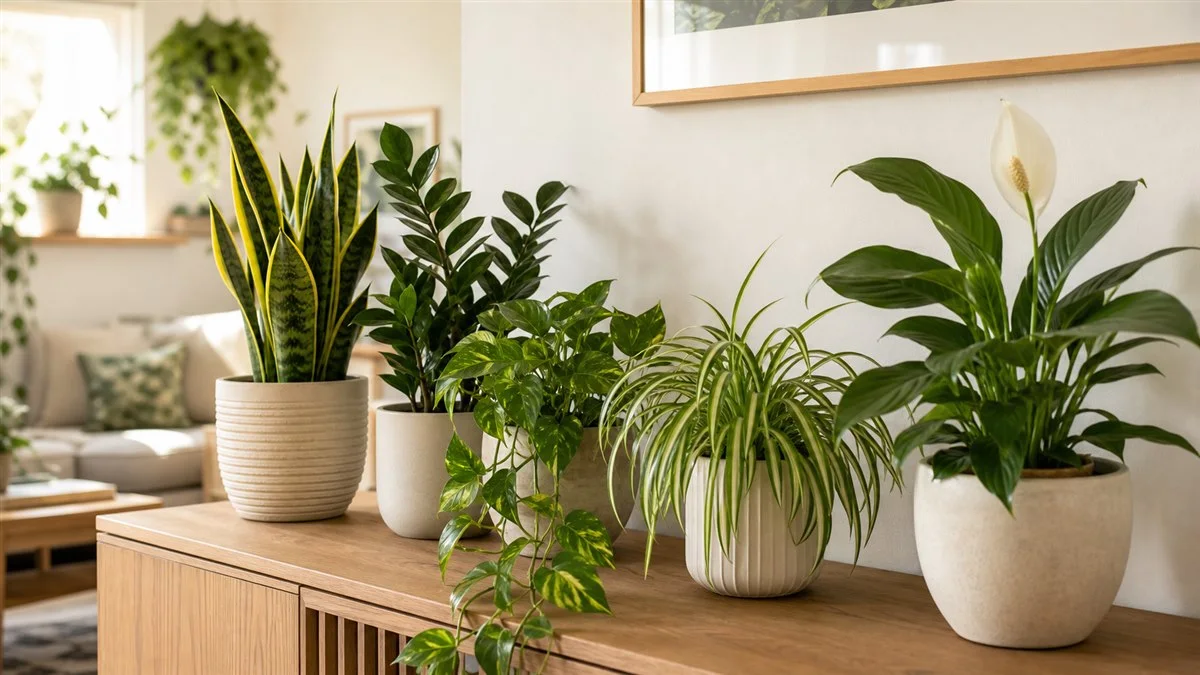
- Monstera: Prefers bright indirect light but can tolerate lower light. Avoid direct sunlight.
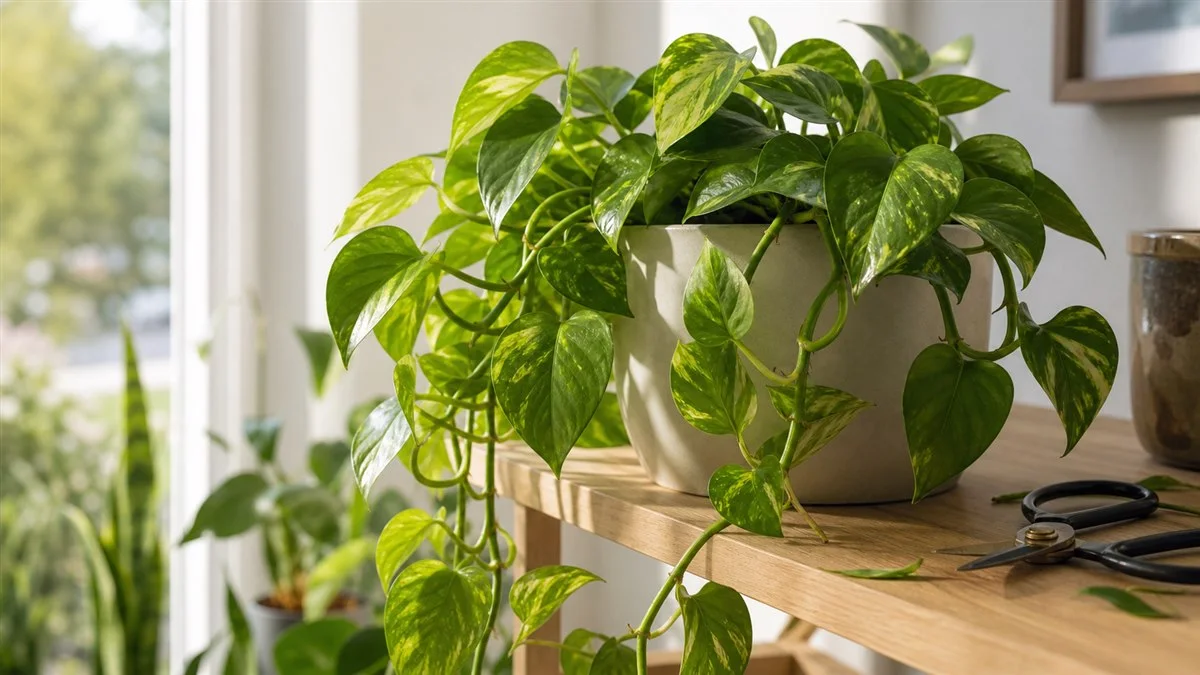
- Pothos: Thrives in a range of light conditions, but bright indirect light encourages bushier growth.
- Snake Plant: Can tolerate low light; however, it will grow more vigorously in bright indirect light.
- Peace Lily: Prefers bright indirect light but can adapt to lower light. Too much direct light can lead to leaf burn.
- Calathea: Requires bright indirect light to maintain its vibrant leaf patterns.
- Ferns: Generally thrive in bright indirect light with higher humidity levels.
- Orchids: Prefer bright, filtered light, making bright indirect light ideal.
- Succulents: Generally prefer brighter conditions and may need more sunlight, but can still benefit from bright indirect light.
Step-by-Step Care Routine
To ensure your plants thrive in bright indirect light, follow this routine:
- Identify the best location by assessing window direction and light patterns.
- Use sheer curtains if necessary to diffuse direct sunlight.
- Monitor plant health regularly for signs of stress.
- Adjust the position of your plants as seasons change to maintain optimal light exposure.
- Consider using grow lights during winter months or in low-light conditions.
Seasonal Adjustments
Be aware that light levels change with the seasons. In winter, light is less intense, so you may need to move your plants closer to windows or supplement with grow lights. In summer, ensure that your plants are not receiving direct sunlight that could scorch their leaves.
Common Mistakes
Avoid these common pitfalls when managing light for your plants:
- Placing plants too close to windows without considering direct sunlight.
- Not adjusting plant positions with seasonal light changes.
- Ignoring signs of light stress.
Troubleshooting Guidance
If your plants are showing signs of stress, consider the following troubleshooting steps:
- Reassess the lighting conditions: Are they getting too much direct light or too little overall?
- Check for pests or diseases that may exacerbate light stress.
- Inspect root health: A healthy root system is essential for optimal nutrient uptake.
Prevention
To prevent issues related to light, regularly observe your plants and adjust their environment as needed. Ensure proper watering routines and check soil moisture levels, as these factors can influence how plants react to light.
Recovery Signs
When plants receive the right light conditions after stress, look for signs of recovery:
- New growth emerging, particularly in the form of leaves or stems.
- Improvement in leaf color and texture.
- Reduced leaf drop and overall healthier appearance.
Safety Notes
Always consider the safety of your pets and children. Some plants, like peace lilies and pothos, can be toxic if ingested. Keep these plants out of reach or opt for non-toxic varieties if you have curious pets or young children.
In conclusion, understanding bright indirect light is essential for the health of your houseplants. By recognizing the signs of light stress, adjusting your plant care routine, and being mindful of seasonal changes, you can create an optimal environment for your plants to thrive.
Quick diagnosis before you change care
Light decisions should start with the actual window and shadow pattern. A plant beside a bright window can receive very different light from one several feet back or behind a curtain.
- Check soil moisture below the dry-looking surface before watering or withholding water.
- Look at the newest growth separately from older damaged leaves, because old damage rarely repairs itself.
- Inspect leaf undersides, stems, soil surface, and drainage holes for pests, root stress, or sour-smelling soil.
- Ask what changed recently: a move, repotting, fertilizer, heat, drafts, brighter sun, lower winter light, or a new watering habit.
A simple care routine to try next
Choose the most likely issue and change only that variable first. If the soil is staying wet, improve drying time before adding fertilizer. If the plant is stretching, improve light before pruning heavily. If pests are visible, isolate the plant before treating the whole collection.
After a change, give the plant time to respond. For many houseplants, the clearest signal is not whether an old leaf improves, but whether new growth appears stronger, roots look healthier, and the plant stops declining.
Common mistakes to avoid
- Repotting, fertilizing, moving, pruning, and treating pests all in the same week.
- Watering because a reminder fired instead of because the soil and plant indicate it is time.
- Assuming every yellow leaf means the same thing across different species and seasons.
- Using pest or fertilizer products without reading the label, testing first, or considering pets and children.
Safety and household notes
Verify plant identity before relying on toxicity guidance. Many common houseplants can irritate pets or children if chewed, and some pest treatments or soil amendments need ventilation, gloves, or careful storage. If exposure is urgent, contact a veterinarian, poison control service, or local professional rather than waiting on a plant-care article.
Translate light words into window placement
Bright indirect light is not a mood; it is a placement. An east window may offer gentle morning sun and bright ambient light. A south or west window may be excellent for many plants if the plant sits to the side, behind a sheer curtain, or far enough back that hot direct rays do not sit on the leaves. A north window can work for tolerant plants near the glass but may be too dim for high-growth plants several feet into the room.
Use shadows as a quick field test. A sharp shadow often means direct or very strong light. A soft but clear shadow often suggests bright indirect light. No meaningful shadow usually means lower light, even when the room feels bright to human eyes. Plants respond to energy, not to how comfortable the room feels.
Direct vs indirect light
Direct light means the sun beam itself lands on the leaf. Indirect light means the plant receives reflected, diffused, or softened daylight instead of the direct beam. Direct morning sun can be gentle enough for many houseplants, while direct afternoon sun through glass can scorch thin tropical leaves. The question is not only whether sun is present, but how intense it is, how long it lasts, and whether the plant has acclimated.
Bright indirect light is the useful middle: enough energy for steady growth without long periods of harsh leaf-heating sun. That is why many aroids, calatheas, peace lilies, orchids, pothos, philodendrons, and ferns are described this way even though they do not all want the same exact spot.
Match light to plant behavior
- Leggy vines, smaller leaves, and fading variegation usually mean the plant needs more usable light.
- Bleached patches, crisp scorch, or sudden droop against hot glass can mean too much direct sun.
- Slow drying soil can be a light problem because weak light reduces water use.
- Move plants gradually when changing light so leaves can acclimate.
Can a grow light count as bright indirect light?
A grow light can replace or supplement bright indirect light when it is strong enough, close enough, and used long enough. The common mistake is placing a weak lamp across the room and treating it like sunlight. Most houseplants need the light close enough to affect growth, but not so close that leaves heat, bleach, or dry too quickly.
Start with the manufacturer placement guidance because lamp strength and beam shape vary widely. Put the light on a timer for a consistent day length, give plants a dark period, and acclimate foliage gradually when increasing intensity. Many indoor setups use roughly 10 to 14 hours of supplemental light, but distance and duration should be adjusted together: a weak lamp used longer is not always equivalent to a stronger lamp at the correct distance.
Use plant response as the final test. If new growth is compact, leaves stay well-colored, soil dries at a reasonable pace, and the plant is not leaning hard toward a window, the setup is probably useful. If stems stretch and new leaves shrink, the grow light may be too weak, too far away, or on for too few hours. Bleaching, crisp patches, unusual warmth, or leaves curling away from the lamp suggest the light may be too intense or too close.
How light changes watering and growth
Light and water are connected. A plant in brighter usable light photosynthesizes more, grows more, and usually drinks faster. A plant moved to a dimmer room may keep the same pot and soil but use much less water. This is why light problems often look like watering problems: the pot stays wet, roots lose oxygen, and leaves yellow or drop.
When you move a plant, watch drying time for the next few weeks. If the pot suddenly takes much longer to dry, reduce watering and consider whether the new location is too dim for healthy growth.
Plant care works best when you change one variable at a time. Check soil moisture, light, roots, pests, and recent care changes before buying products or repotting in a hurry.