
Plant Problem Guides
Diagnose houseplant problems before you treat them
Yellow leaves, brown tips, pests, drooping, and root rot can look urgent, but most problems become clearer when you inspect the plant, the potting mix, the light, and the recent care history in the right order.
Use these guides as a diagnosis path. Start with the symptom that matches your plant, confirm the likely cause, then follow the next step that fits your plant species and growing conditions.
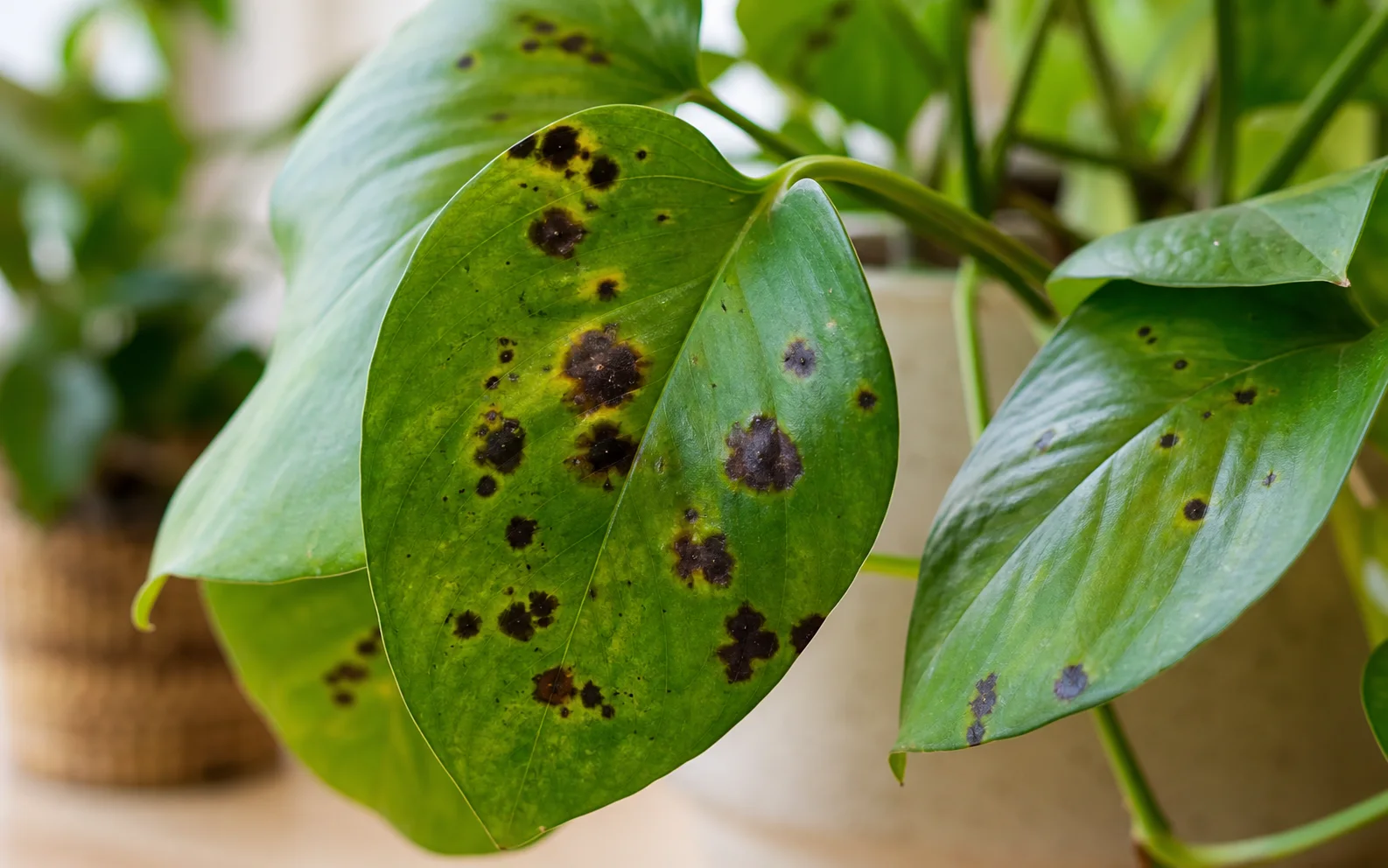
Black Spots on Leaves
Black or dark brown leaf spots can come from leaf damage, fungal or bacterial issues, cold injury, overwatering stress, or sun scorch. Check the pattern before removing leaves or treating the plant.
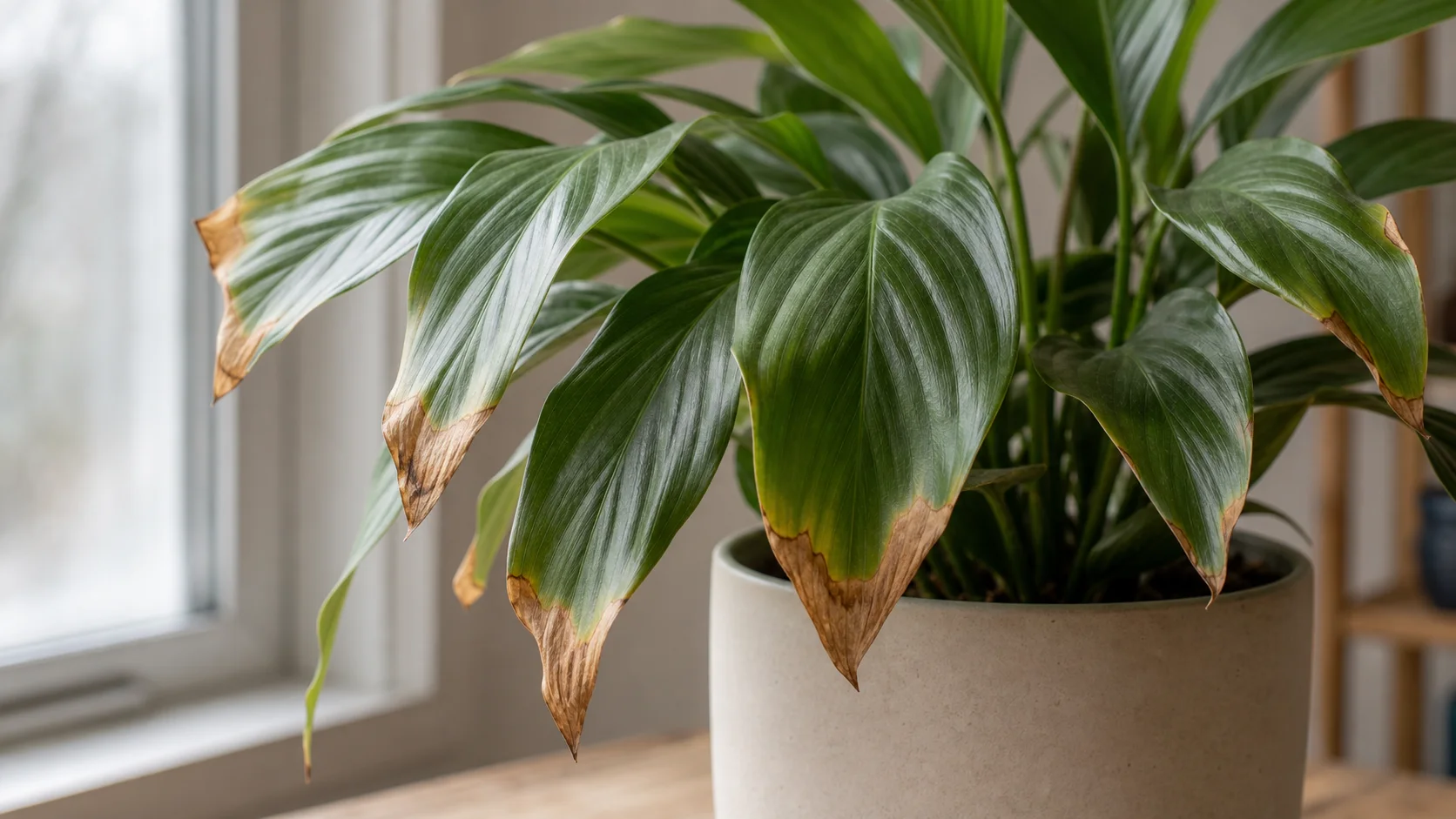
Brown Tips
Brown tips usually point to dry air, inconsistent watering, mineral buildup, fertilizer burn, or stress around sensitive leaf edges. The goal is to stabilize care and protect new growth.
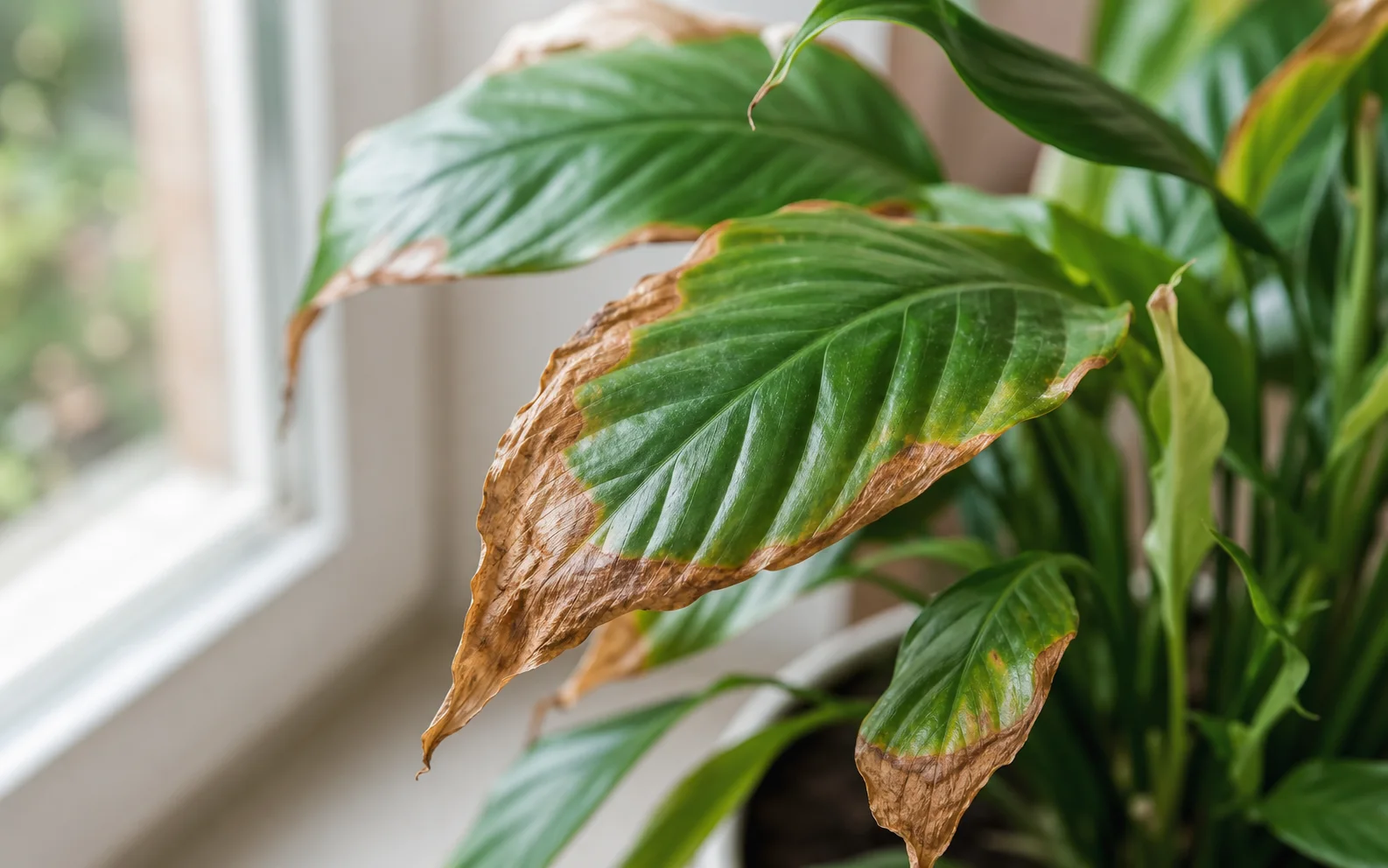
Crispy Leaves
Crispy leaves can come from dry air, underwatering, heat, harsh sun, mineral buildup, or damaged roots. The pattern matters: edges, tips, whole leaves, and new growth each point to different checks.
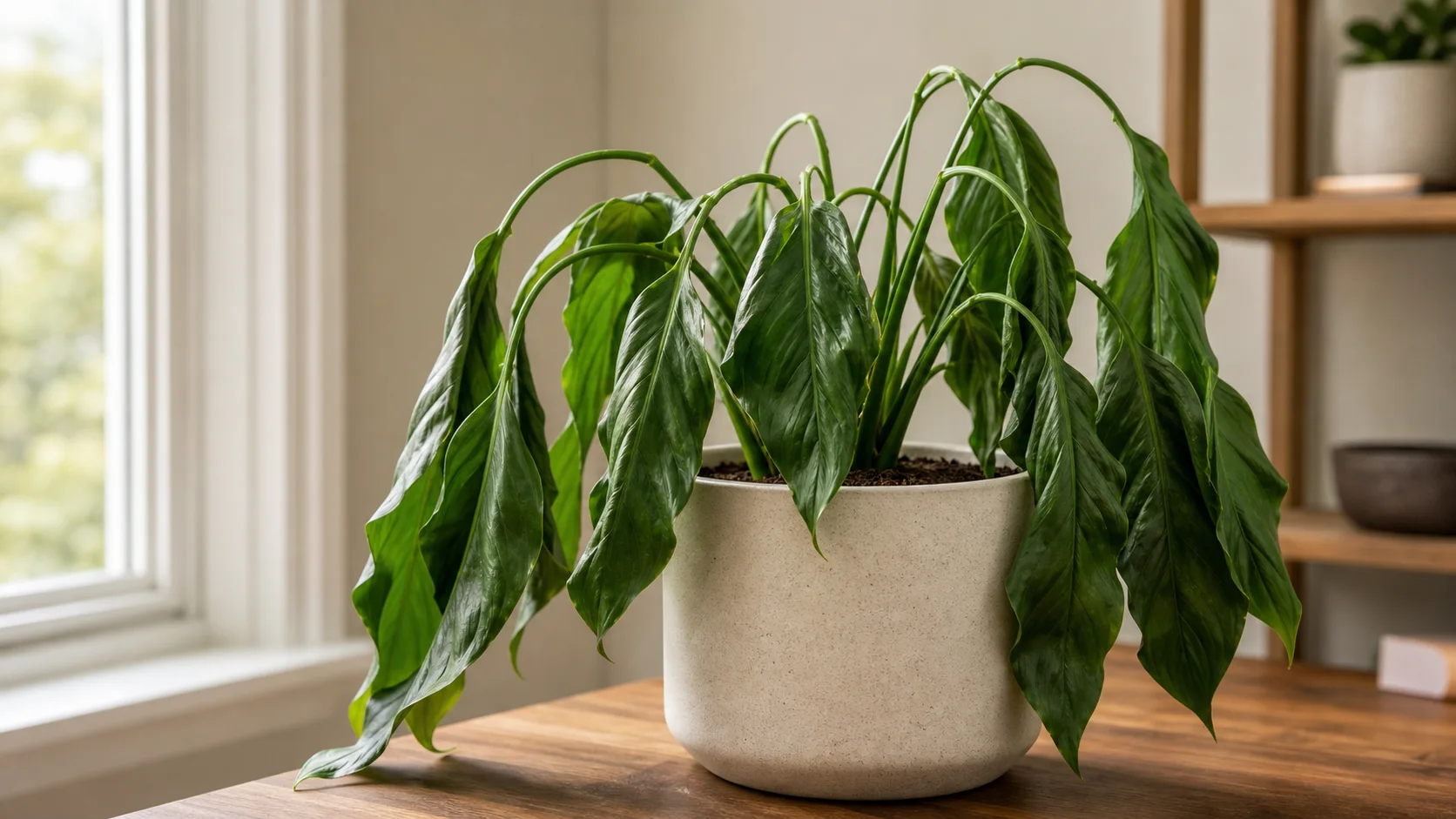
Drooping Leaves
Drooping is a signal, not a diagnosis by itself. Plants can droop from thirst, saturated roots, heat, cold, transplant stress, or sudden light changes.
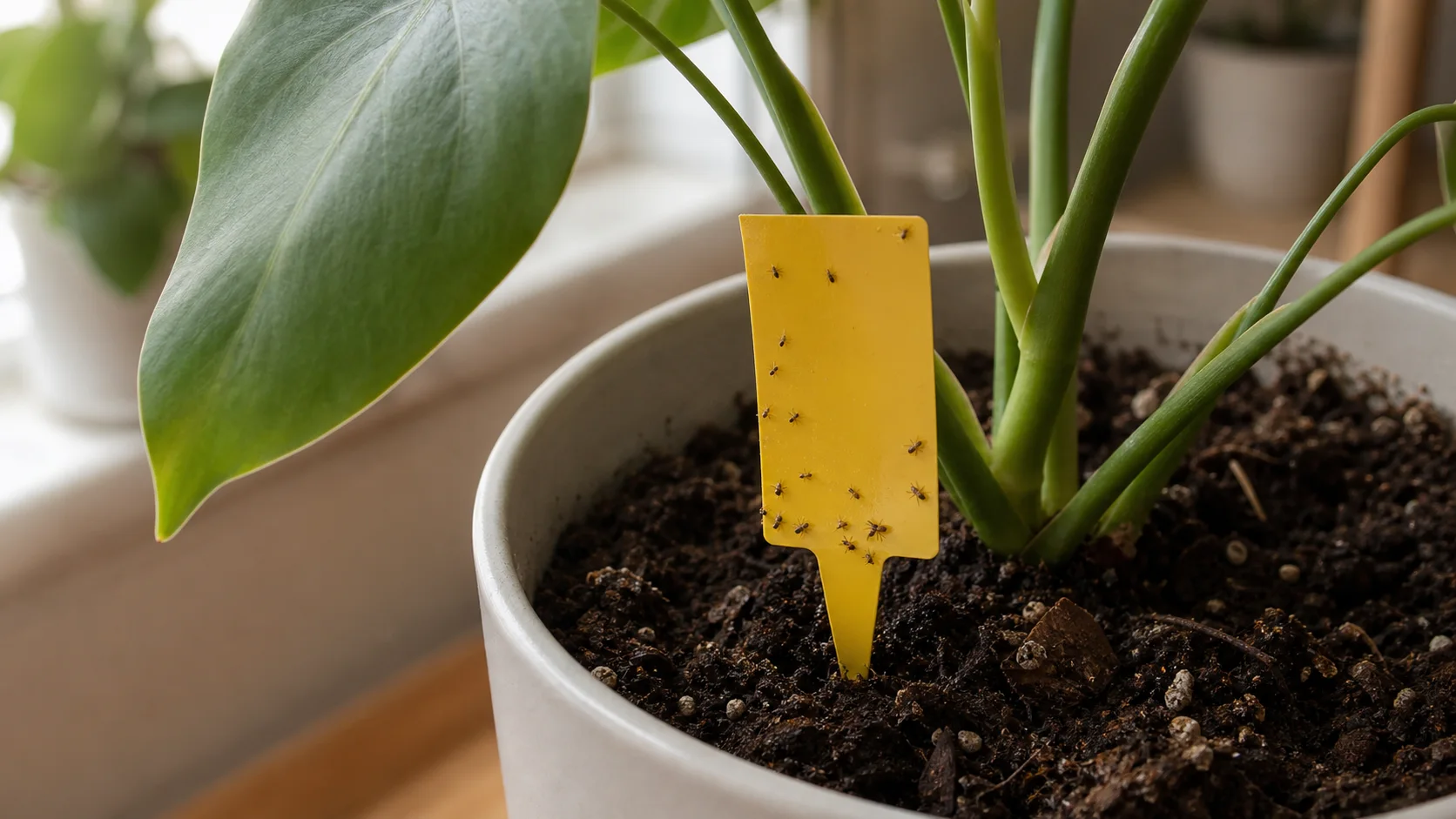
Fungus Gnats
Fungus gnats thrive in damp organic potting mix. Control works best when you combine drying the top layer, catching adults, and interrupting larvae in the soil.
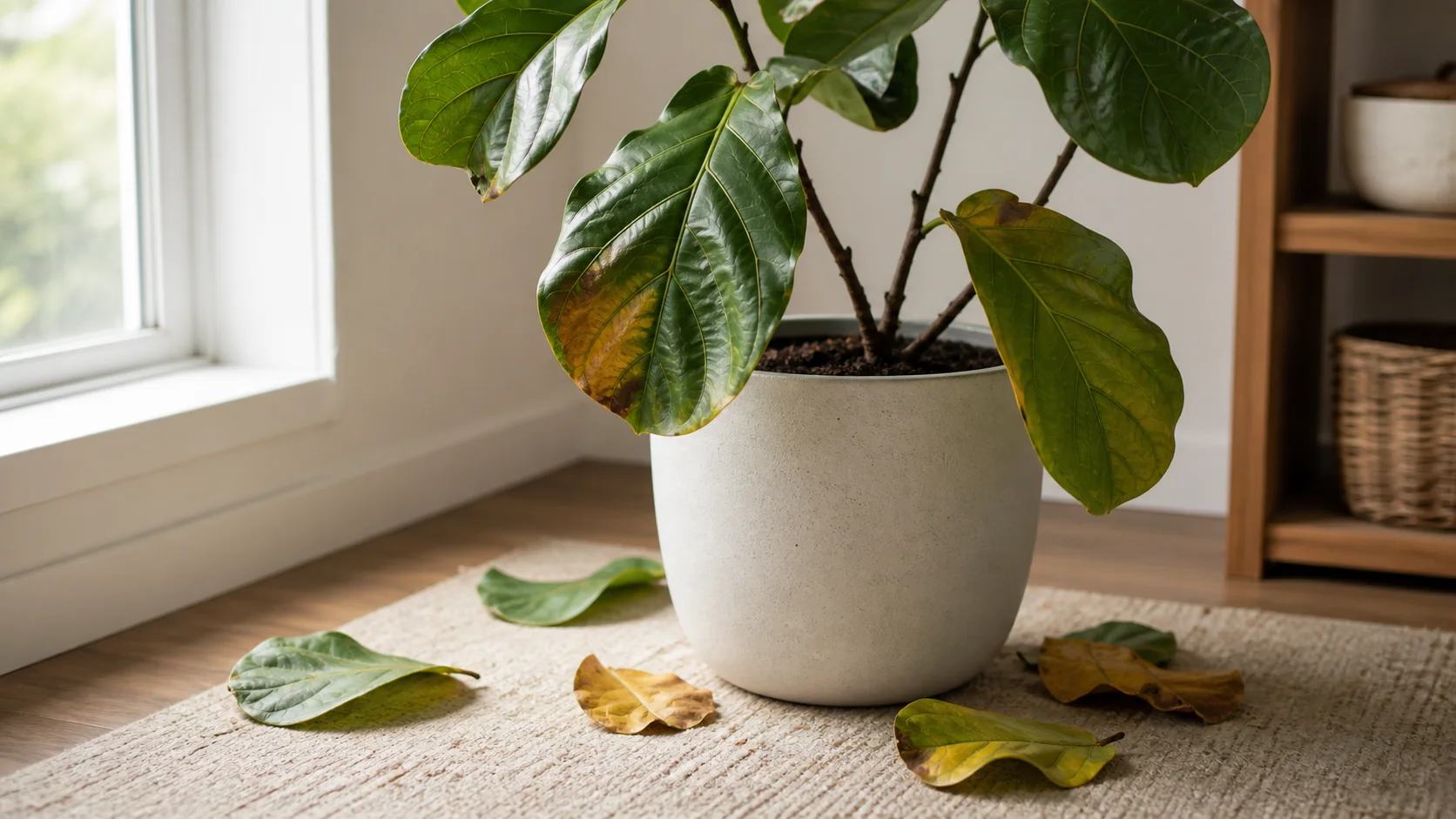
Leaf Drop
Leaf drop often follows a change: lower light, cold drafts, watering swings, shipping, repotting, or pest pressure. Stabilize conditions and watch new growth before making repeated changes.
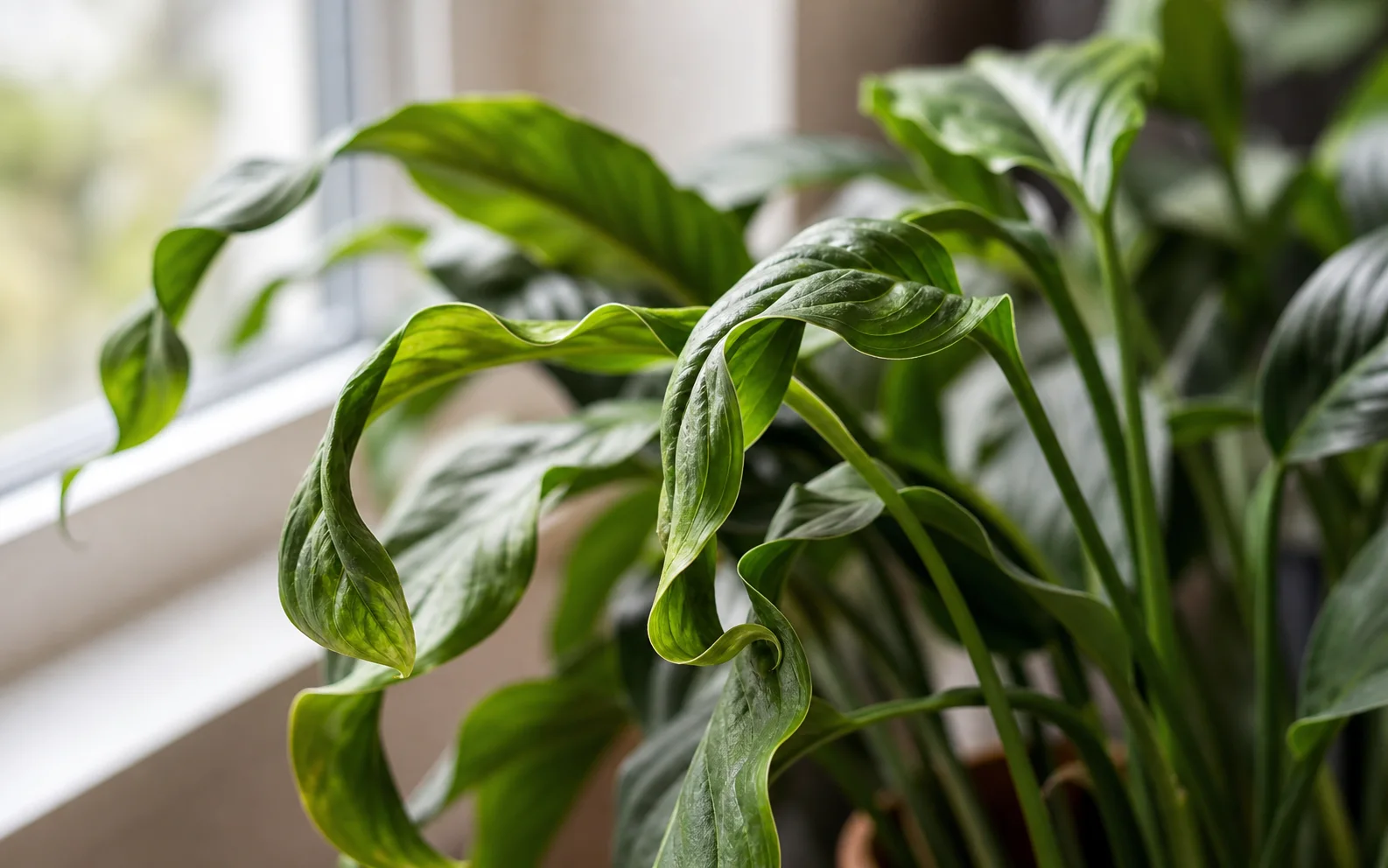
Leaves Curling
Curling leaves can signal thirst, heat, pests, low humidity, light stress, or root trouble. The direction and timing of the curl help decide whether to water, move, inspect, or wait.
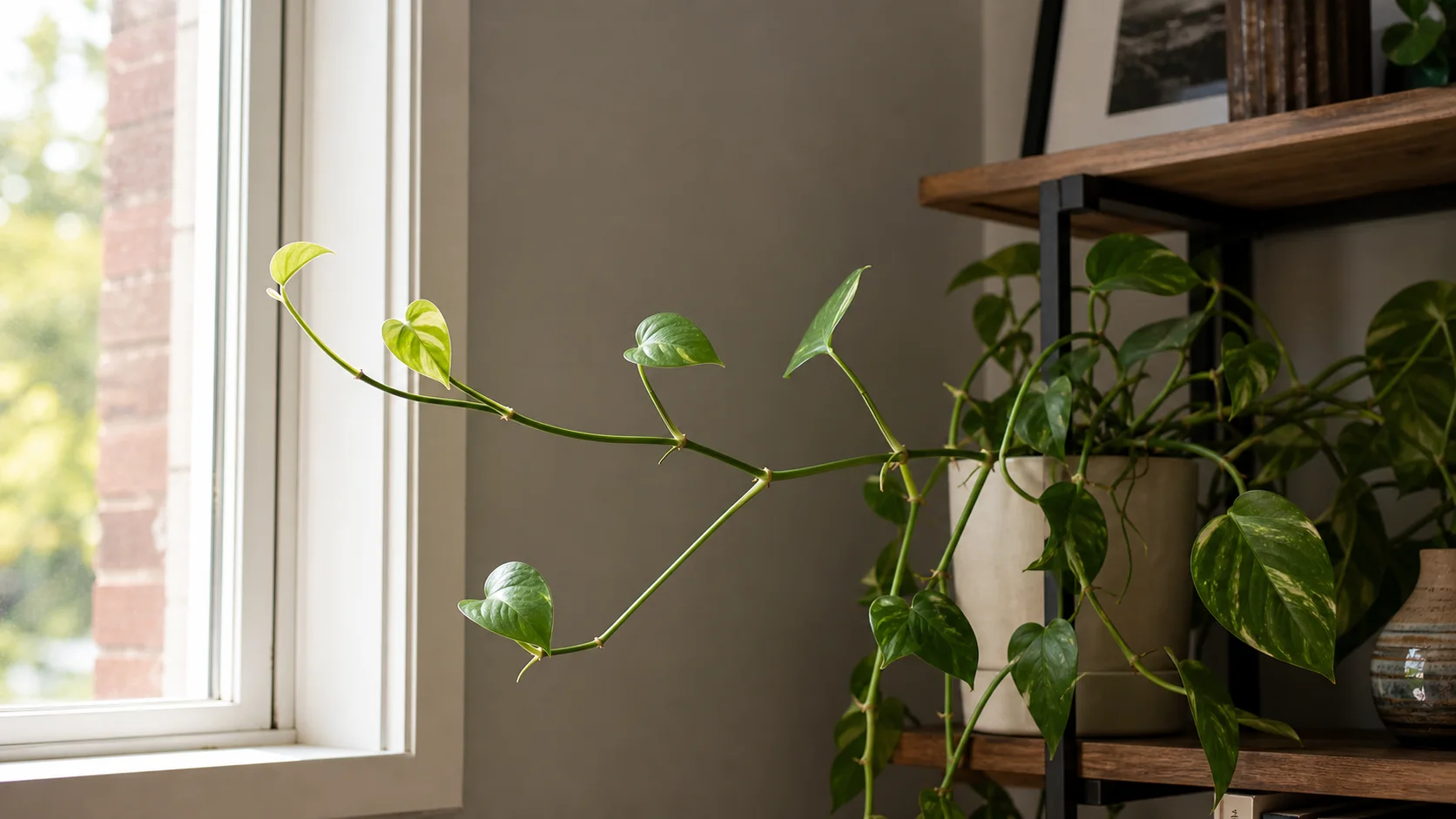
Leggy Growth
Leggy growth usually means the plant is reaching for more usable light. Better placement, rotation, pruning, and patient regrowth can make the plant fuller again.
Mealybugs
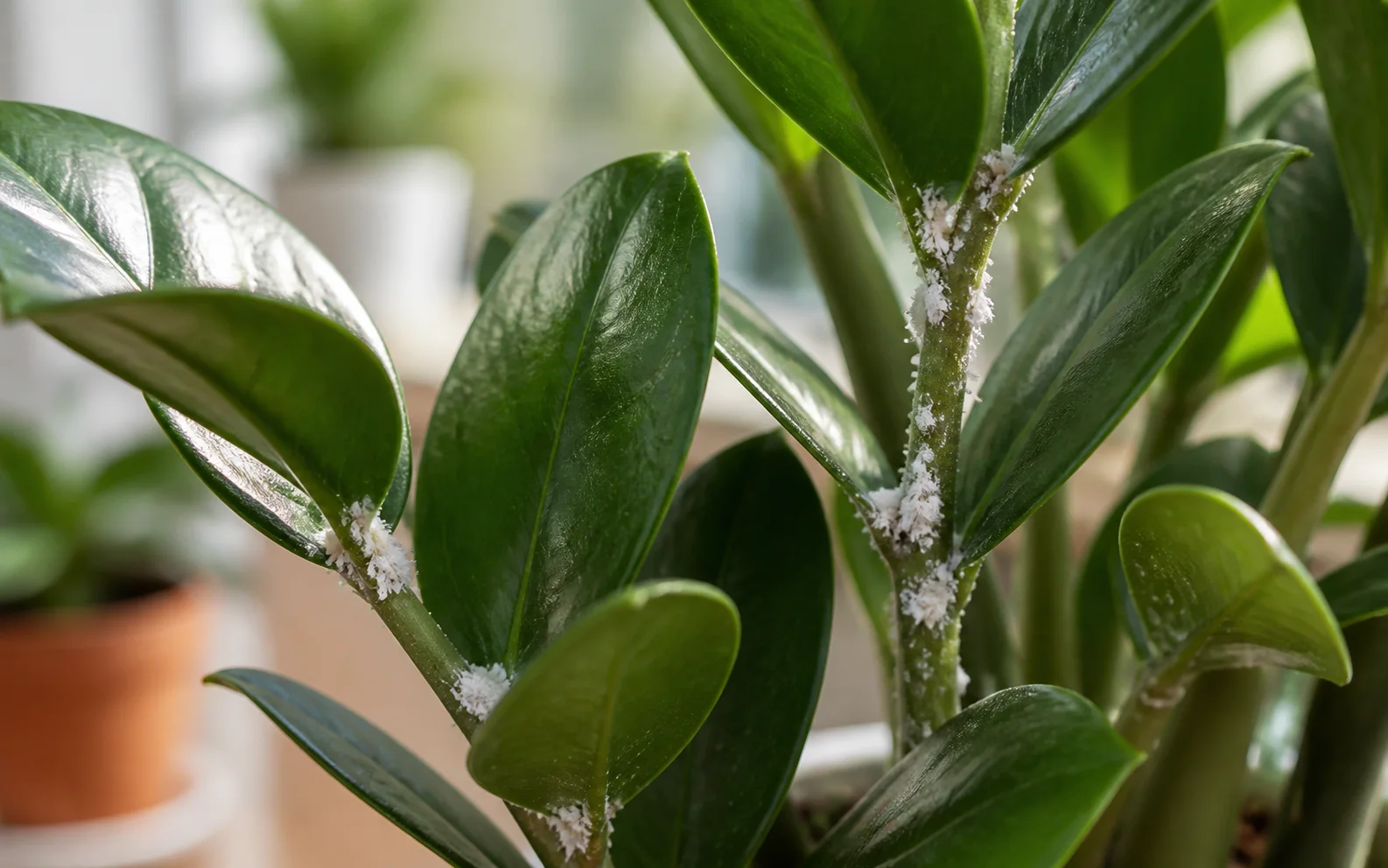
Mealybugs look like small white cottony clusters in leaf joints, on stems, and around new growth. Control starts with isolation, close inspection, manual removal, and repeated follow-up checks.
Moldy Soil
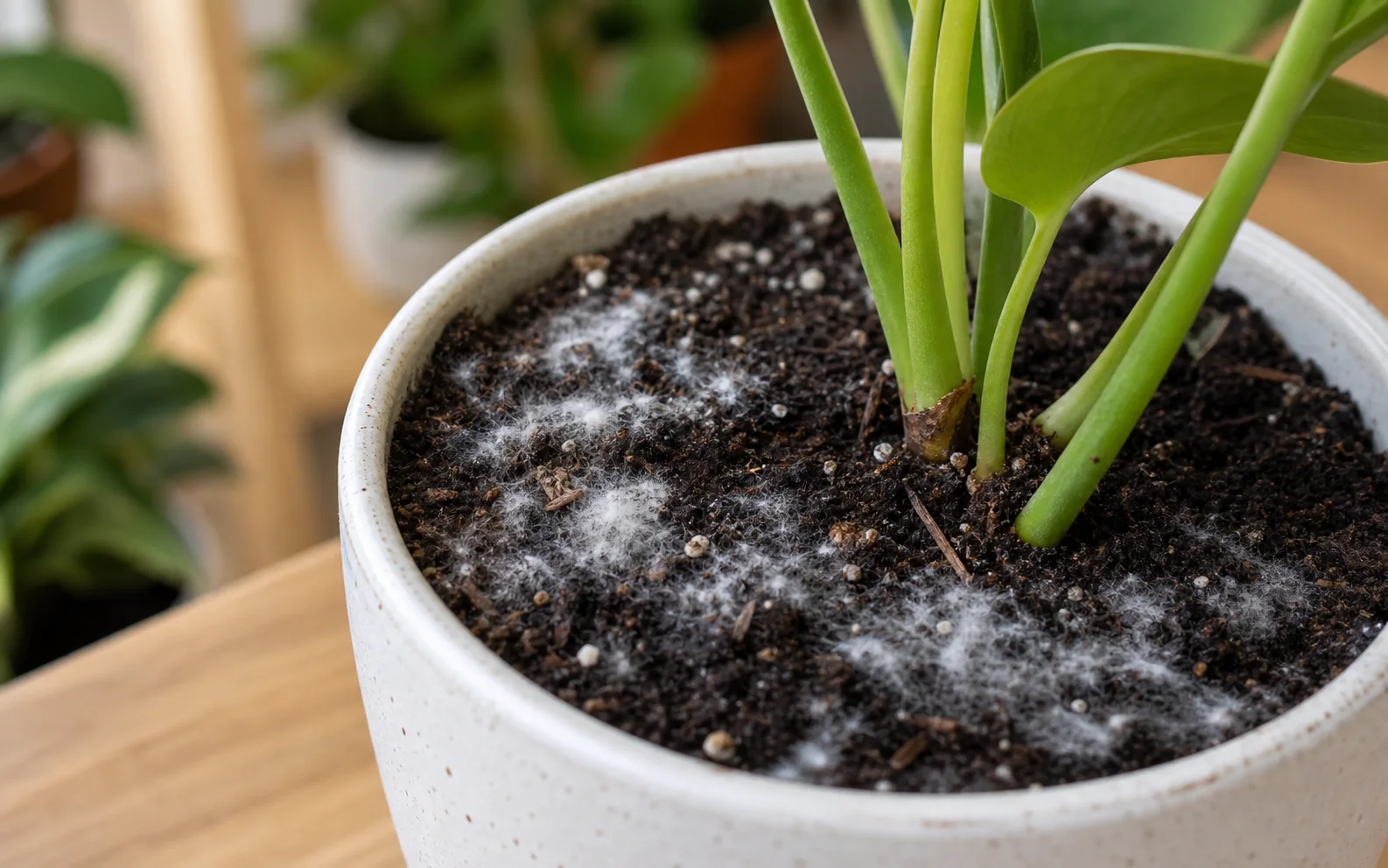
White fuzzy mold on potting soil often points to damp organic material and slow drying. It is usually a care-condition clue: watering, airflow, debris, pot size, and soil structure need a closer look.
Plant Not Growing
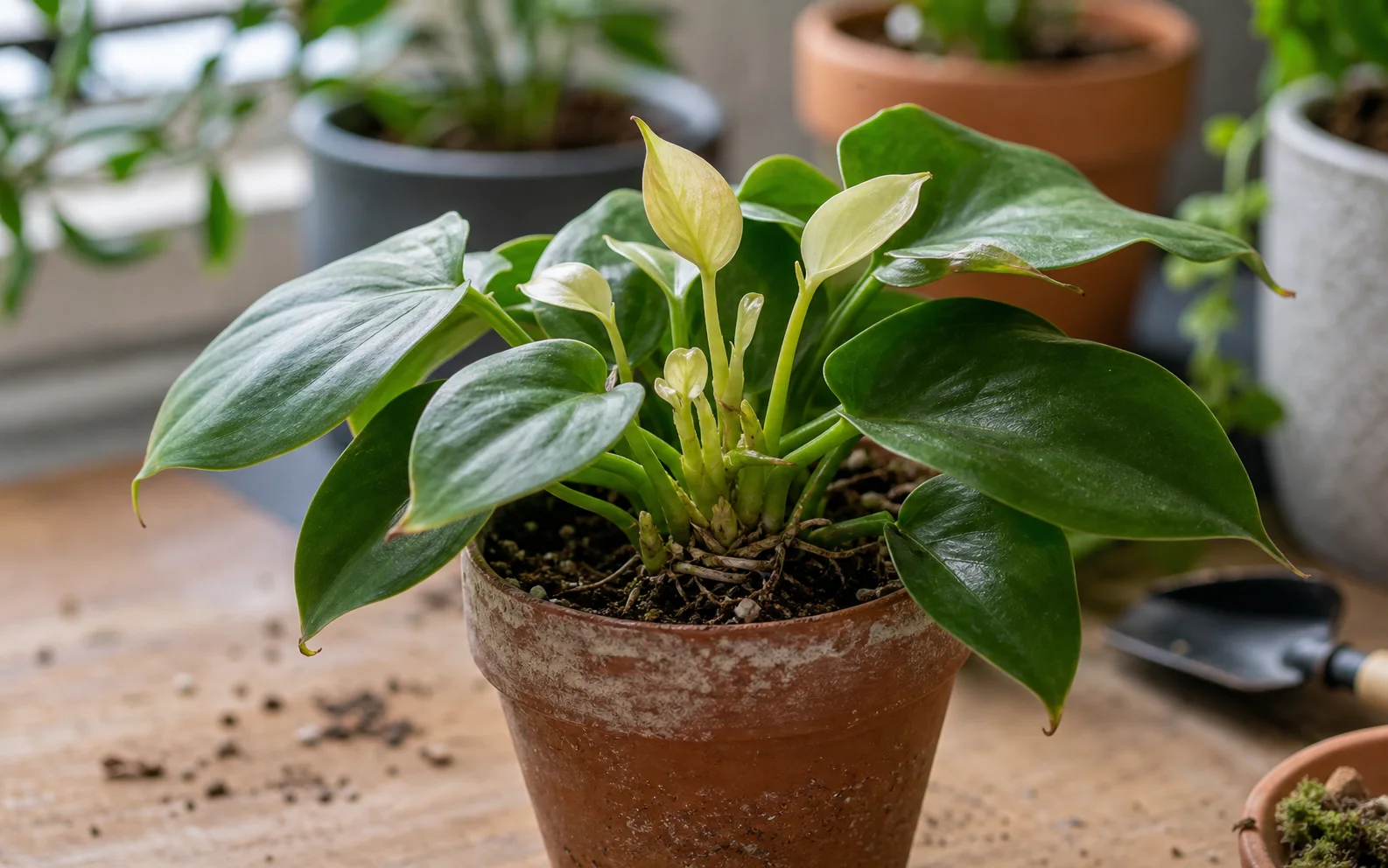
A plant that is not growing may be resting, underlit, root-bound, overpotted, underfed, stressed, or still recovering. The fix depends on whether conditions can support new growth.
Powdery Mildew
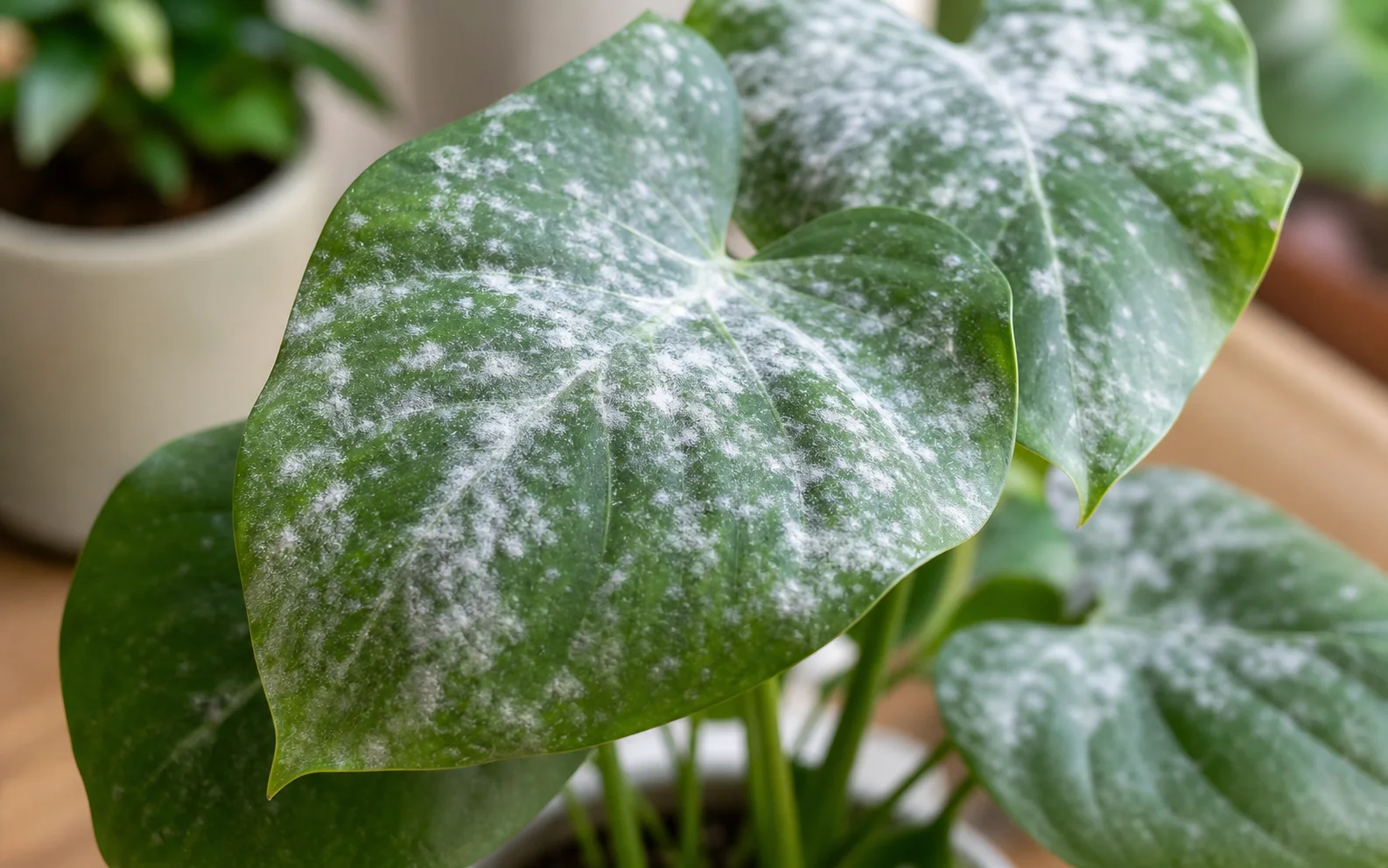
Powdery mildew appears as white powdery patches on leaves and stems. It is more likely when airflow is poor, foliage stays crowded, and susceptible plants are kept in conditions that favor fungal growth.
Root Rot
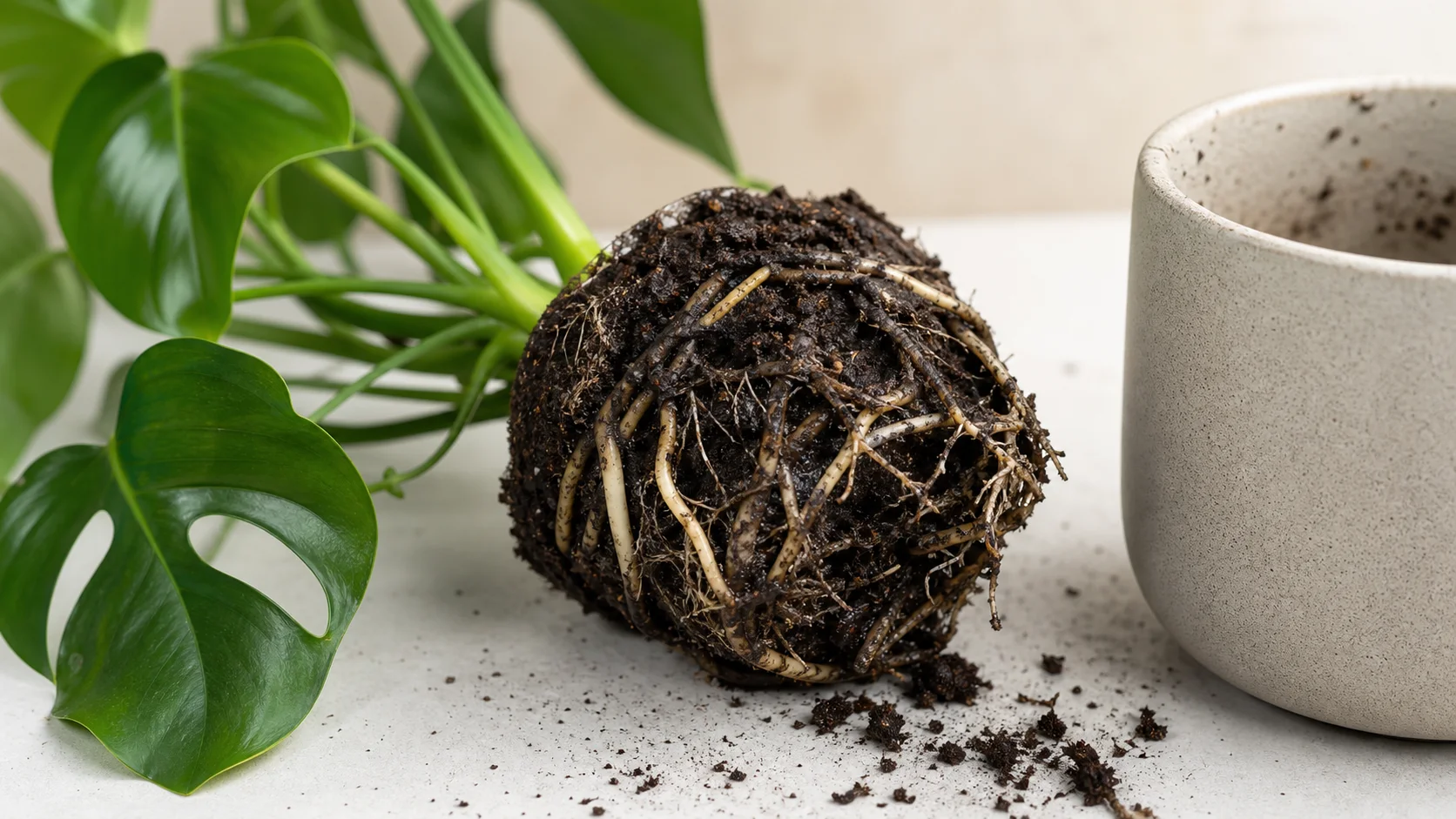
Root rot happens when roots stay oxygen-starved in wet soil. Early action matters: stop watering, inspect the roots, remove decayed tissue, and reset the plant in a mix that dries correctly.
Scale Insects
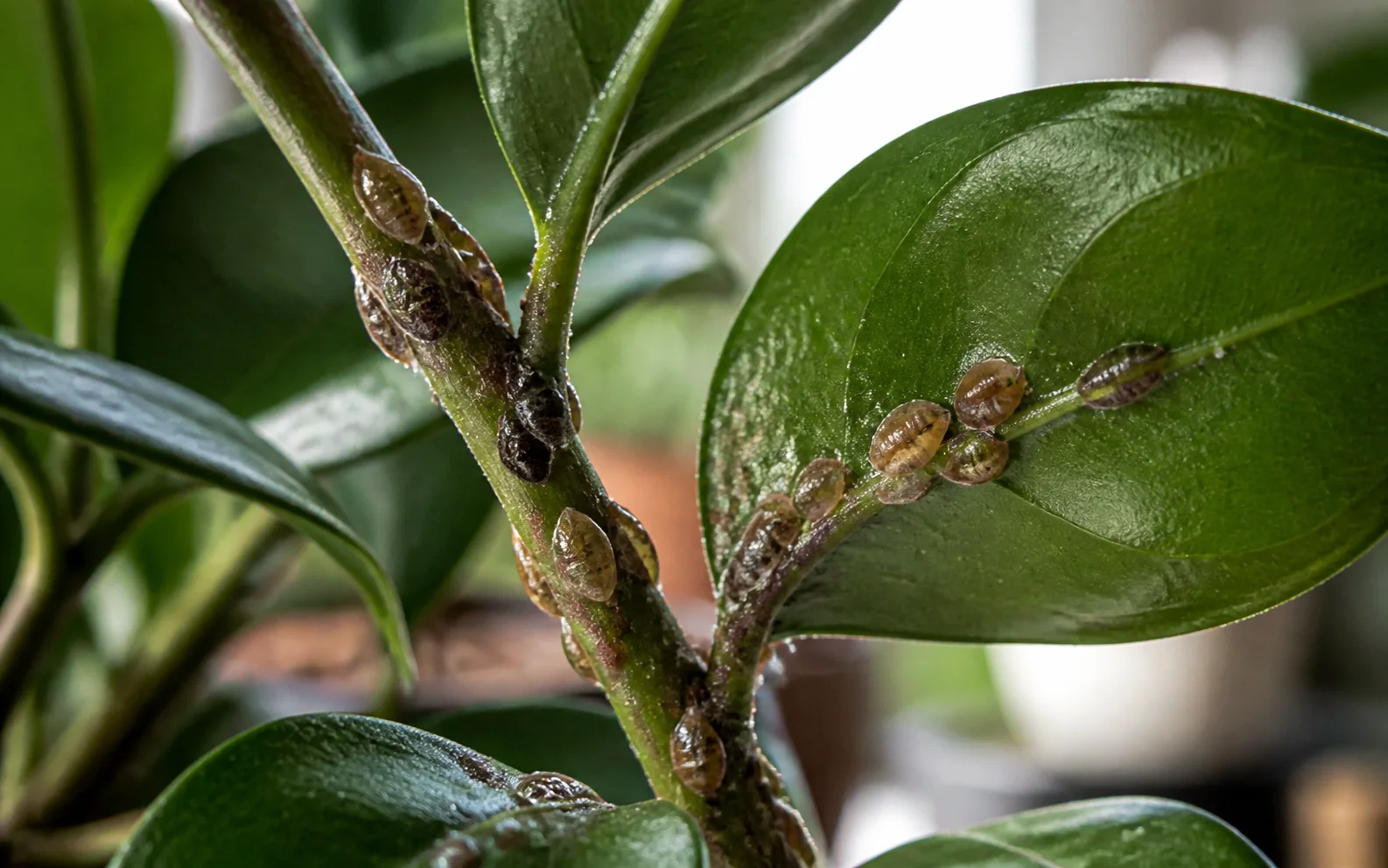
Scale insects often look like small brown, tan, or gray bumps stuck to stems and leaf veins. They can be easy to miss until leaves yellow, growth slows, or sticky honeydew appears.
Spider Mites
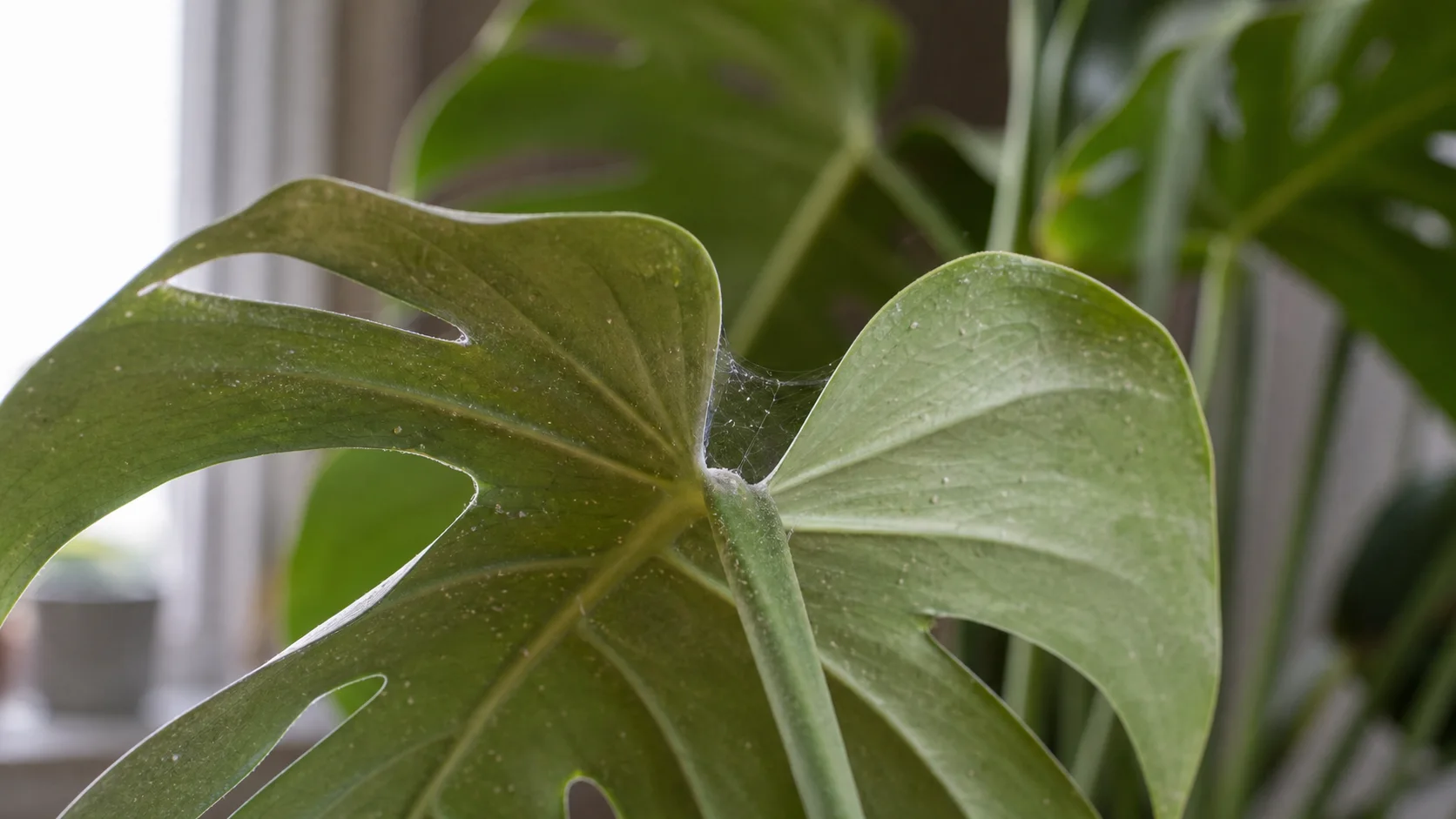
Spider mites are easier to control when caught early. Look for fine webbing, stippled leaves, dusty undersides, and decline on plants kept warm and dry.
Thrips
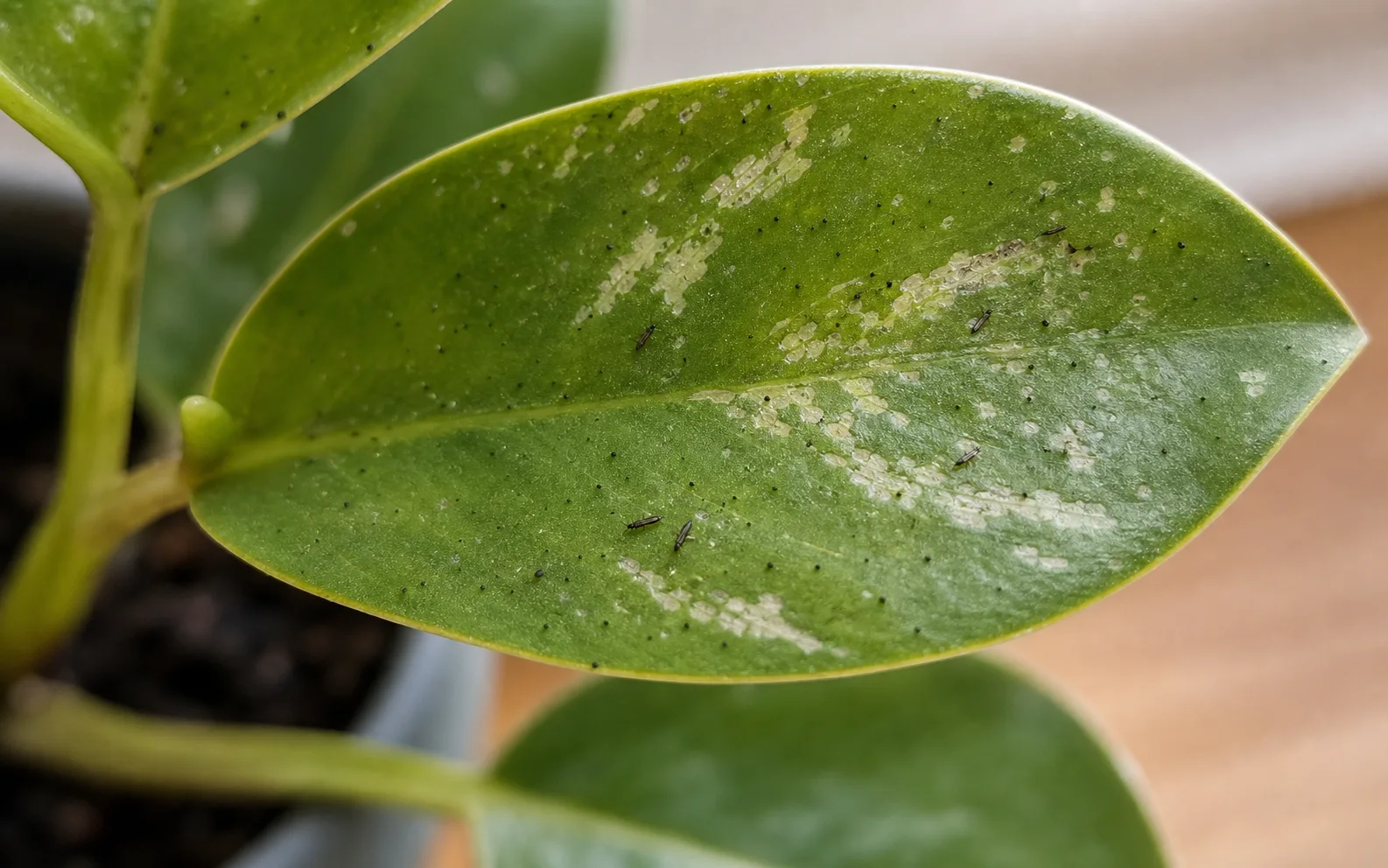
Thrips can leave silvery scraped patches, black specks, distorted new leaves, and slow decline. Early detection matters because they hide in tight new growth and can spread between nearby plants.
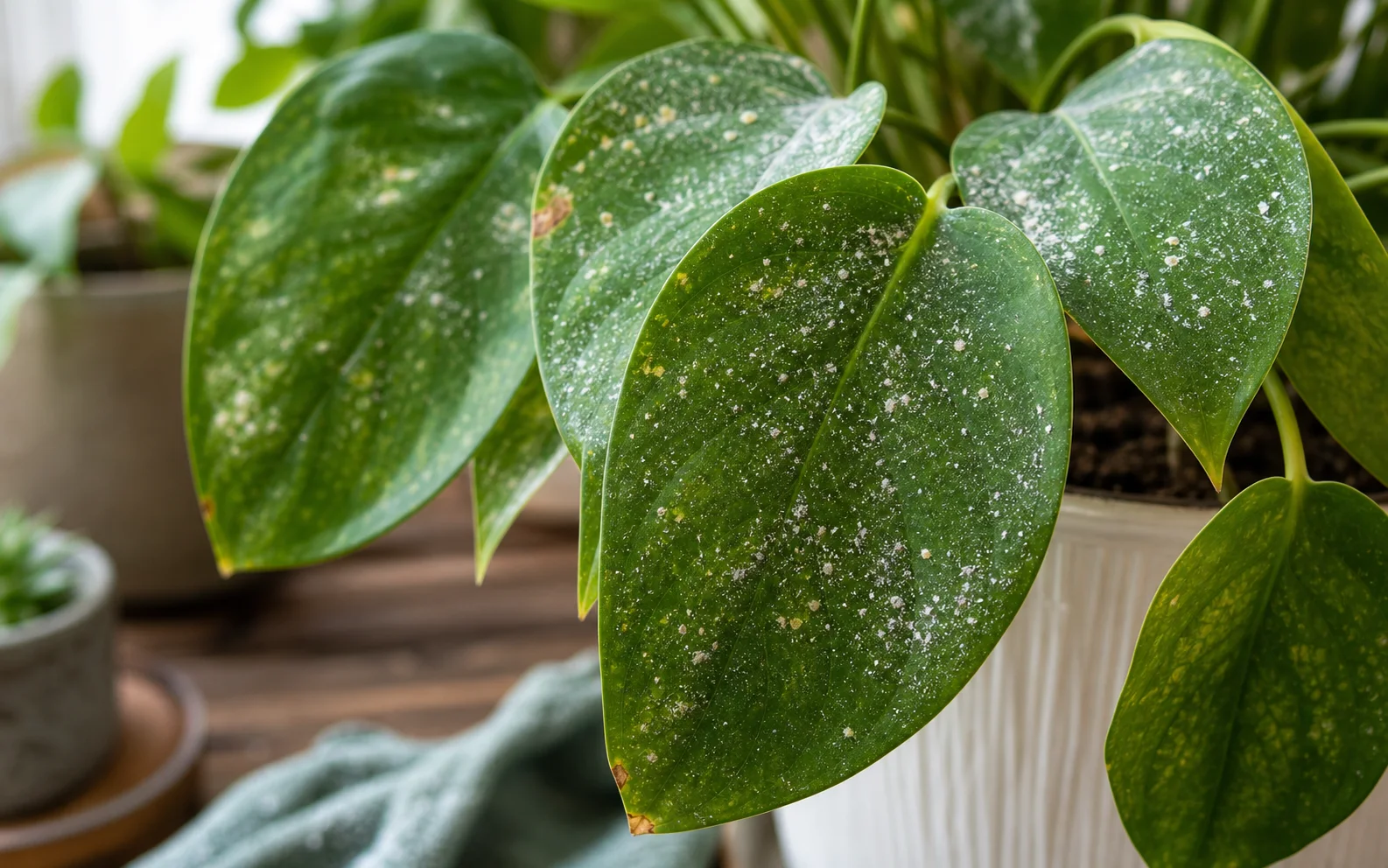
White Spots on Leaves
White spots can be mineral residue, pest damage, powdery mildew, edema, sun damage, or natural markings. The first step is to decide whether the spots wipe off, spread, move, or follow a care pattern.
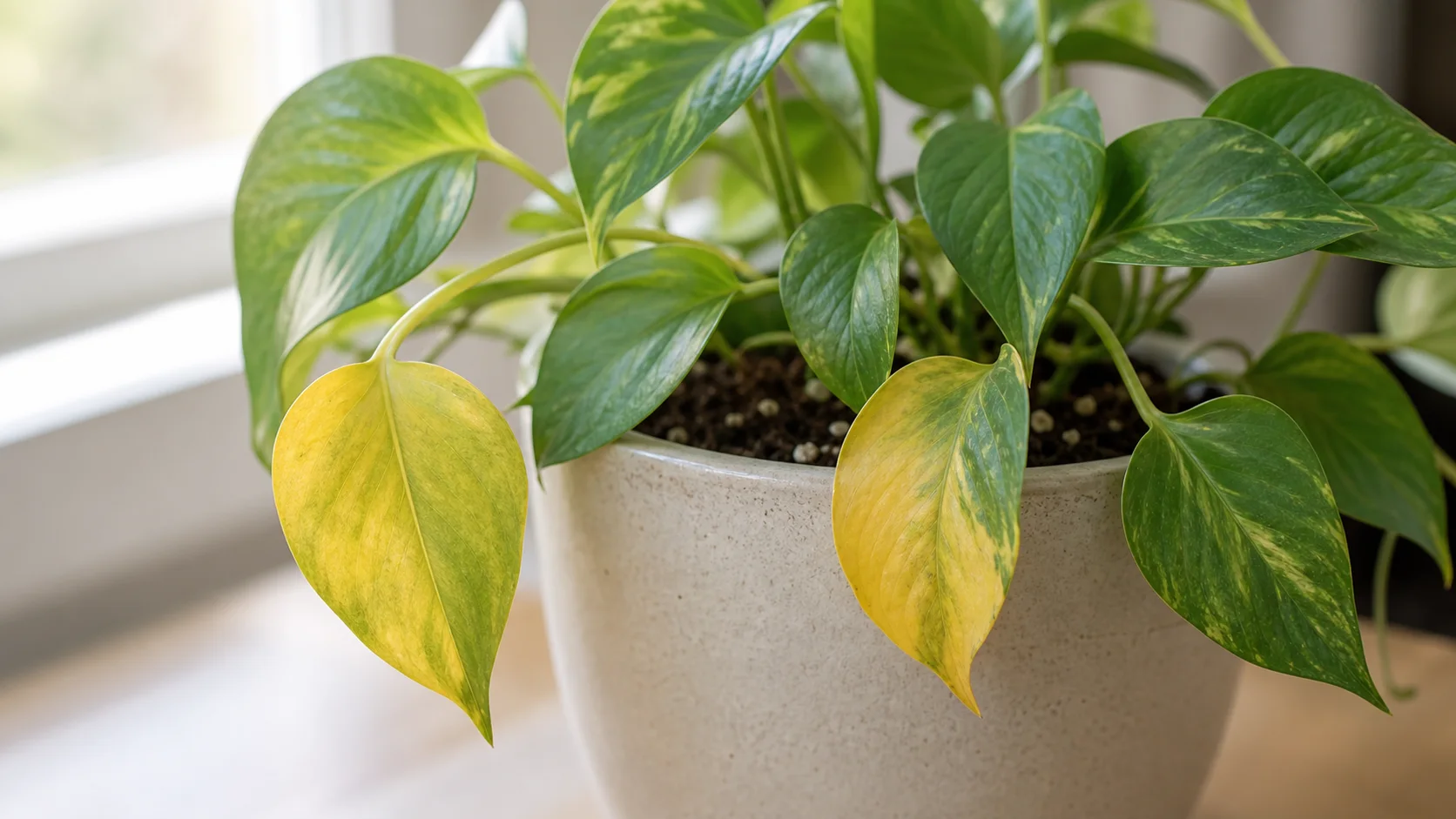
Yellow Leaves
Use this quick diagnostic checklist to compare leaf position, soil moisture, drainage, light, and recent changes before watering, fertilizing, treating, or repotting.