
Curated houseplant path
Pet-safer houseplants for homes with curious cats and dogs
This collection focuses on houseplants commonly grown in pet households. Pet-safe does not mean chew-proof or risk-free, but these choices are better starting points than toxic foliage plants when animals investigate leaves.
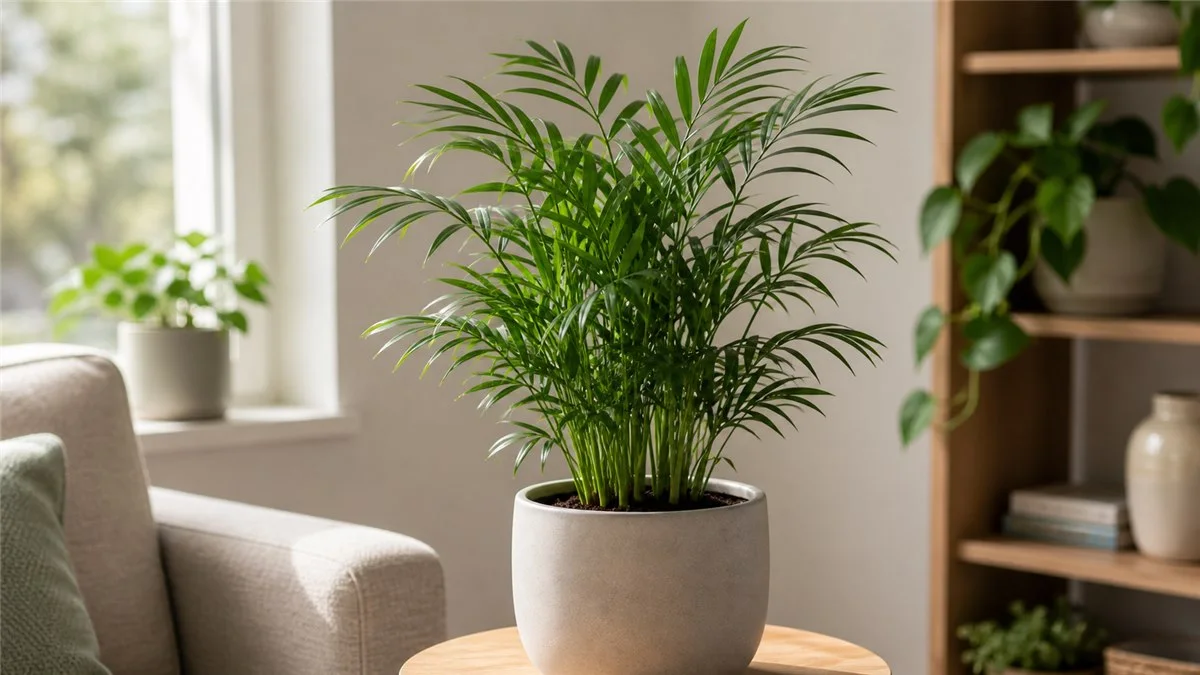
Plants In This Collection
Start by comparing the plant profiles below. The right choice depends on your light, watering habits, humidity, available space, and whether pets or children can reach the plant.
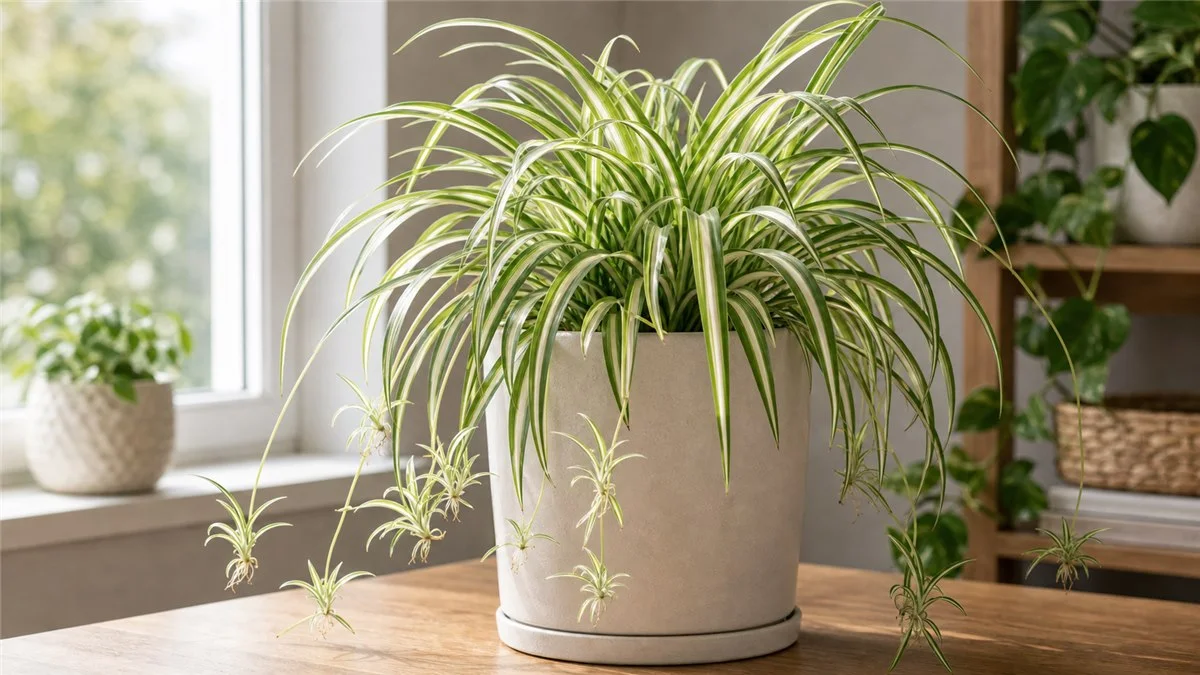 Spider plant
Easy - Medium to bright indirect light
Parlor palm
Easy to moderate - Low to medium indirect light
Spider plant
Easy - Medium to bright indirect light
Parlor palm
Easy to moderate - Low to medium indirect light
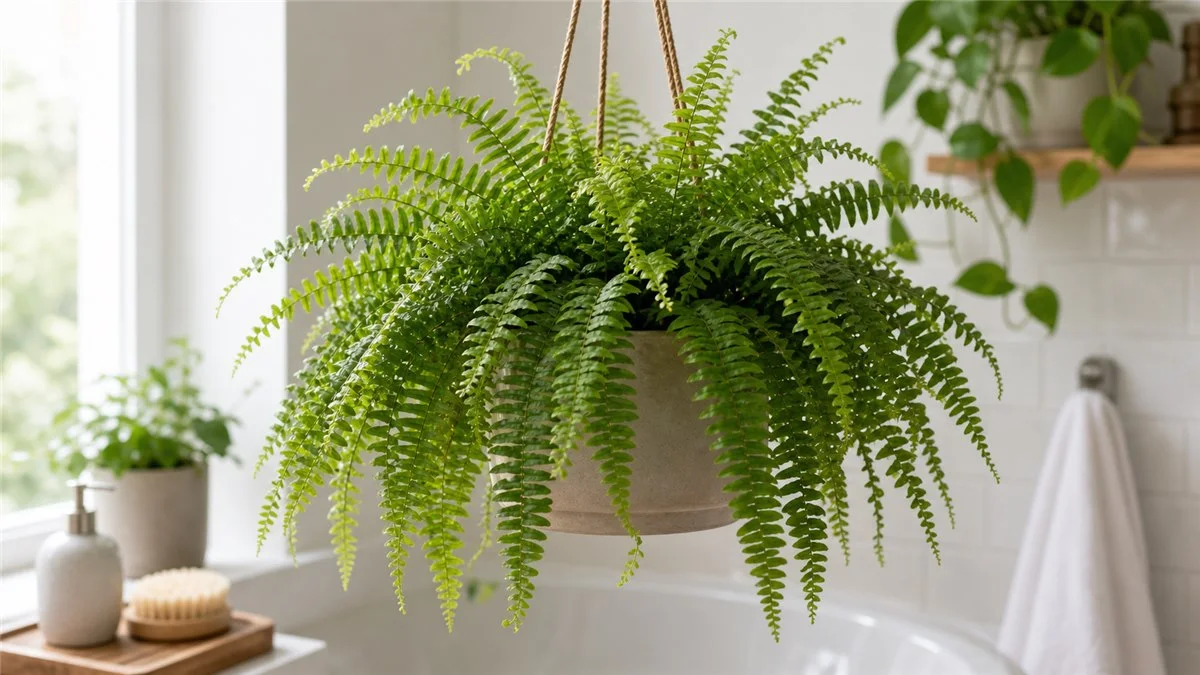 Boston fern
Moderate - Bright indirect light with protection from hot direct sun
Boston fern
Moderate - Bright indirect light with protection from hot direct sun
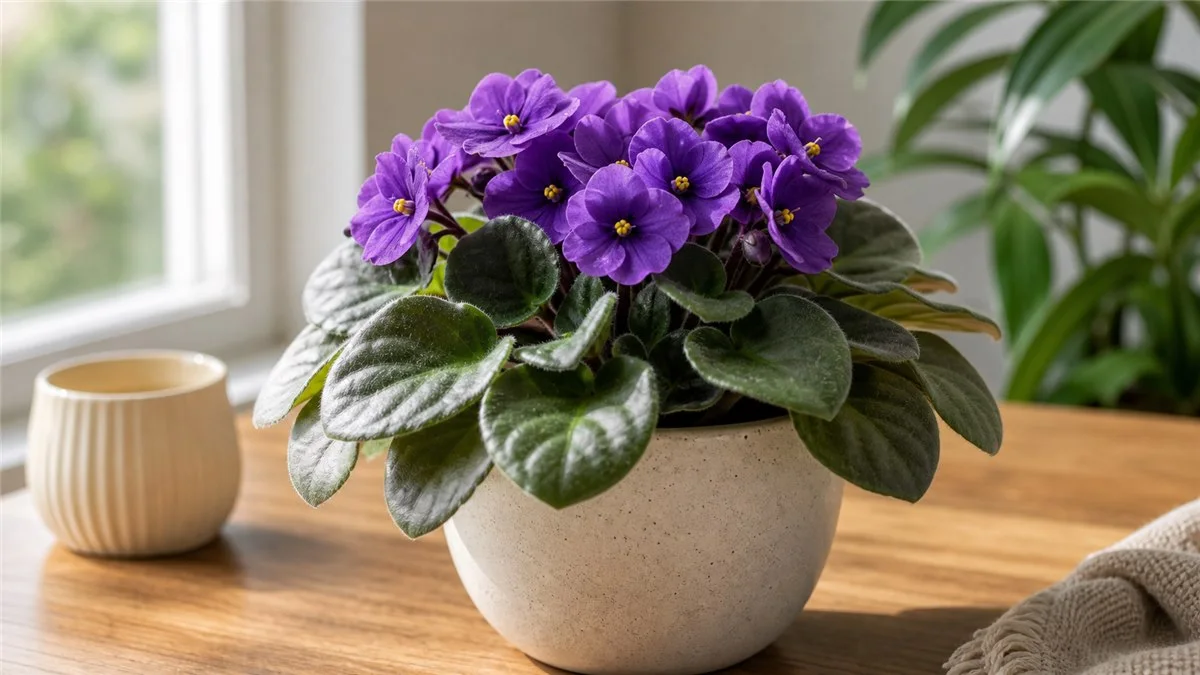 African violet
Moderate - Bright indirect light
African violet
Moderate - Bright indirect light
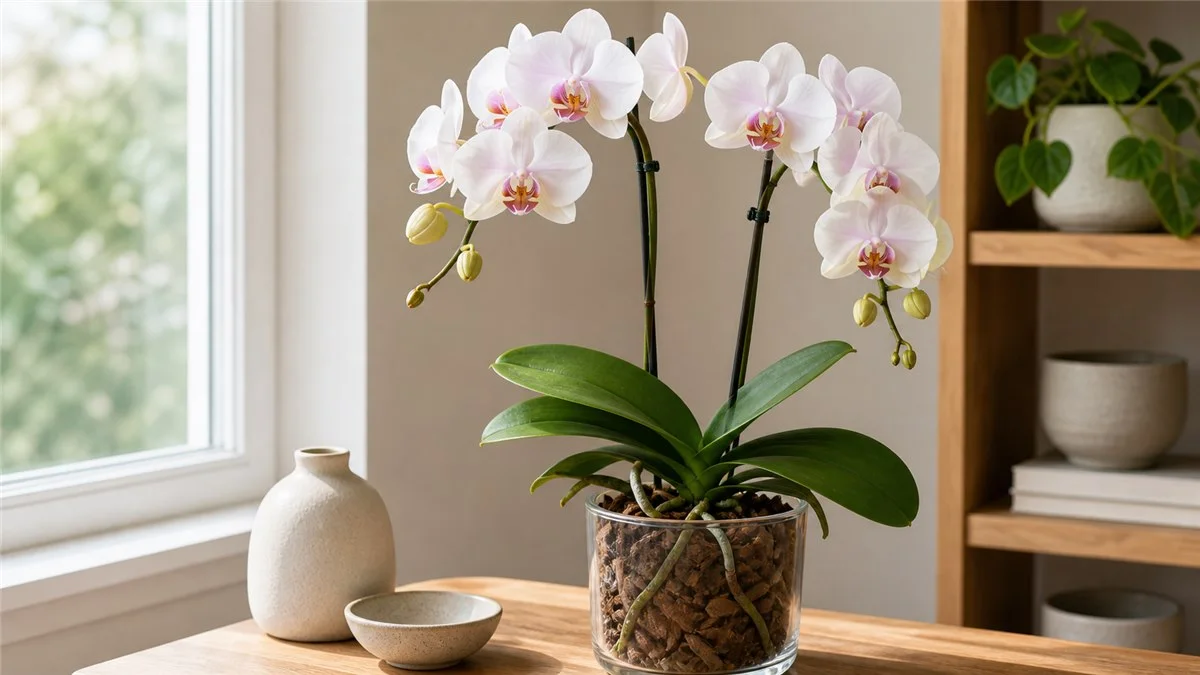 Moth orchid
Moderate - Bright indirect light
Moth orchid
Moderate - Bright indirect light
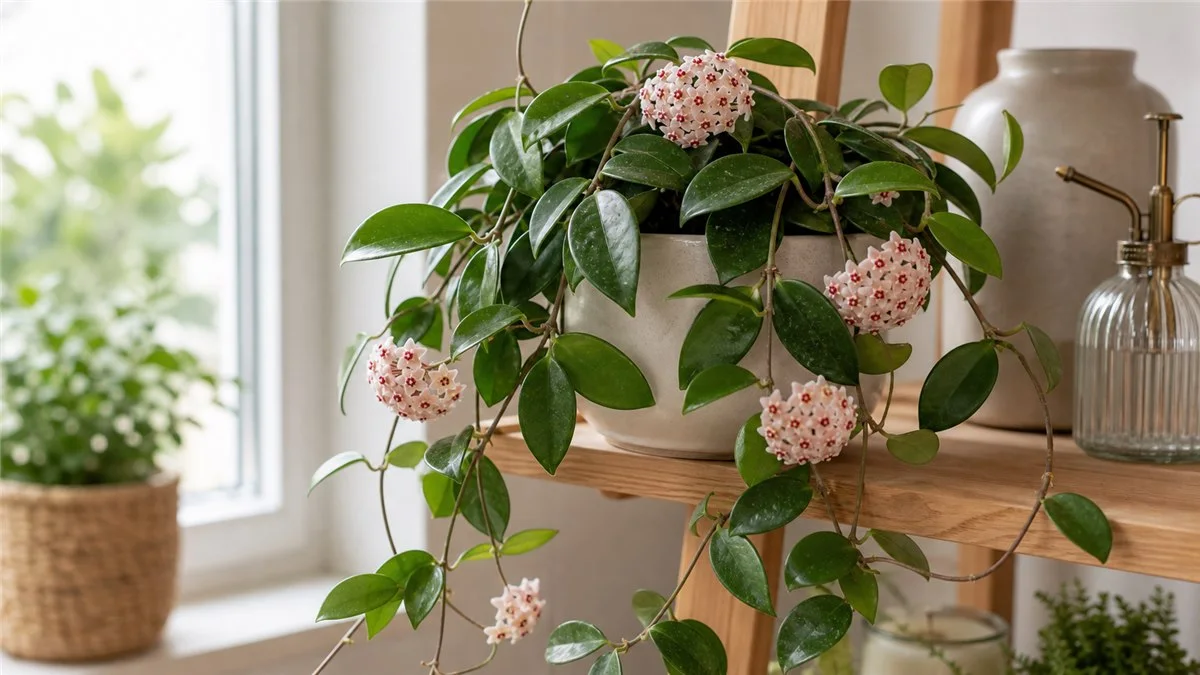 Wax plant
Easy to moderate - Bright indirect light with gentle sun
Wax plant
Easy to moderate - Bright indirect light with gentle sun
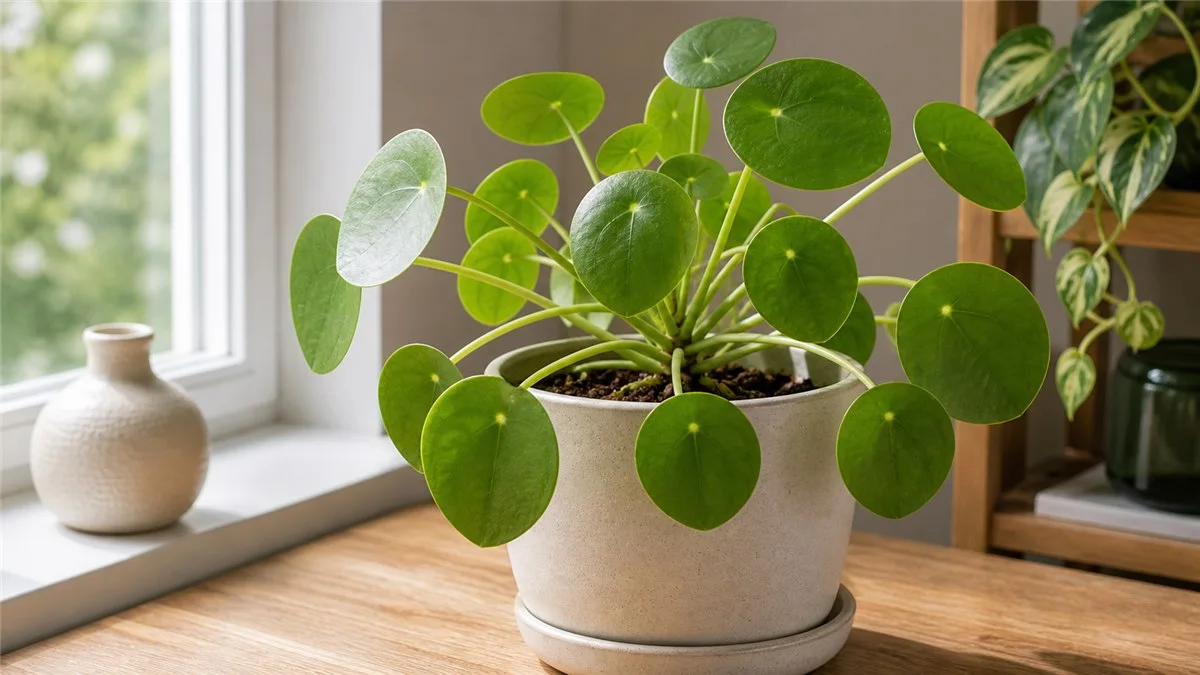 Chinese money plant
Easy - Bright indirect light with regular rotation
Chinese money plant
Easy - Bright indirect light with regular rotation
How To Choose
Care Notes
Use the collection theme as a starting point, then read the individual plant profile before making care changes. A plant can belong in a low-light, pet-safer, or drought-tolerant group and still have species-specific limits.
- Keep even pet-safer plants out of reach if a pet repeatedly chews leaves or digs in soil.
- Avoid systemic pesticides and harsh sprays on plants that pets can reach.
- Confirm plant identity before relying on a safety label because common names can overlap.
What To Avoid
- Do not assume every palm, fern, or ivy is safe by name alone.
- Do not leave fallen flowers, old leaves, or treated soil where pets can eat them.
- Do not delay calling a veterinarian if a pet eats a plant and symptoms appear.
Problem Checks For This Collection
These are the troubleshooting guides most likely to matter for the plants in this group. Use them before changing watering, light, soil, fertilizer, or pest treatment all at once.