
Houseplant Directory
Find your houseplant care guide
Find the plant you are growing, then use its light, watering, soil, humidity, growth, and safety notes as a starting point for your actual room and potting setup.
Each profile connects practical care with the problems that plant is most likely to show indoors. Use the quick facts for everyday decisions, then open the full guide when you need watering context, root checks, pet-safety notes, or troubleshooting steps.
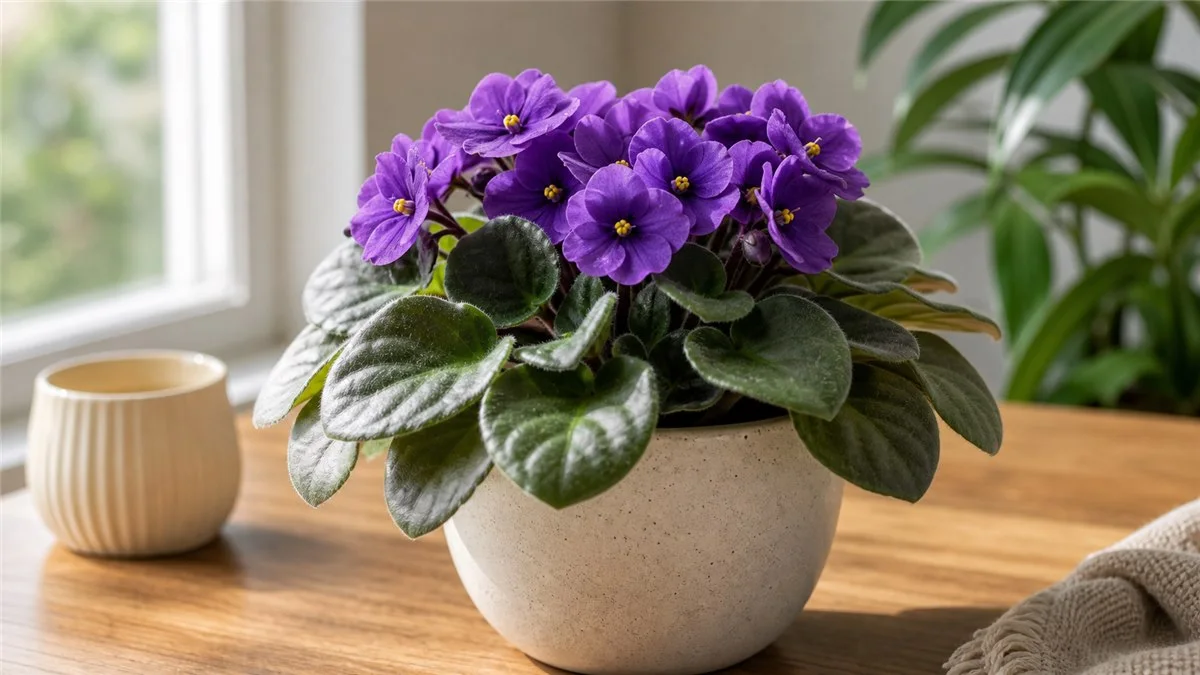
African violet
Saintpaulia
African violets bloom best with bright filtered light, small pots, and steady moisture. They dislike cold drafts and water sitting on fuzzy leaves.
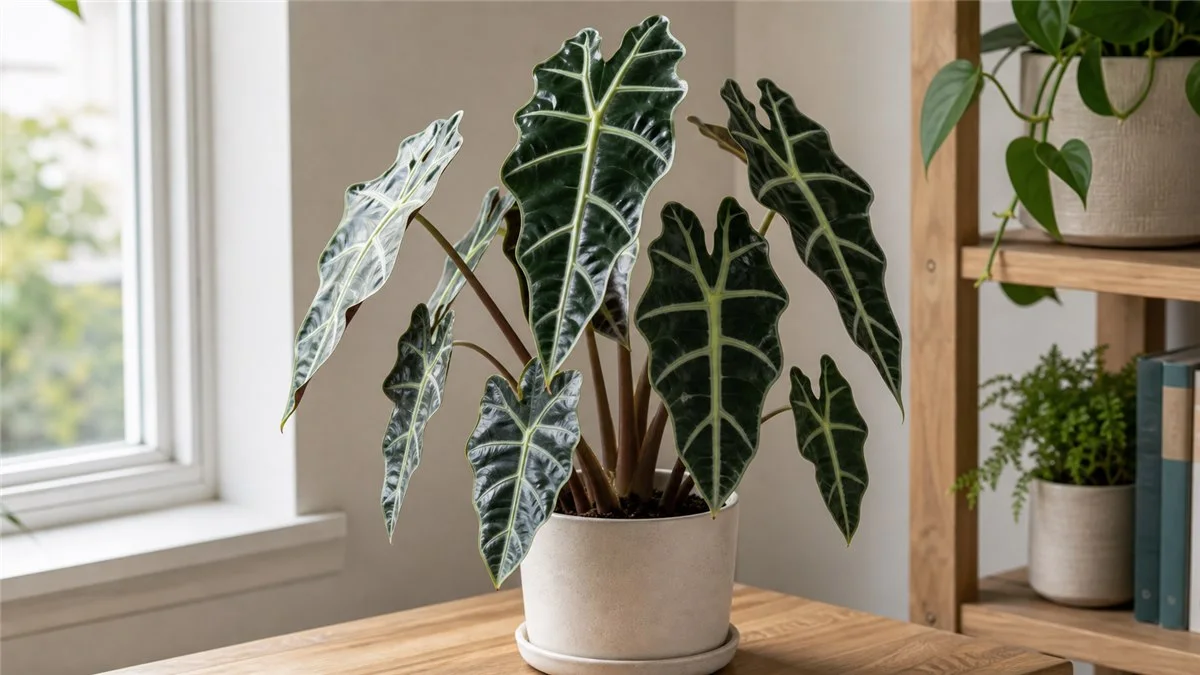
Alocasia Polly
Alocasia amazonica
Alocasia Polly has bold arrow-shaped leaves and a strong preference for warmth, humidity, and airy soil. It can drop older leaves while growing new ones.
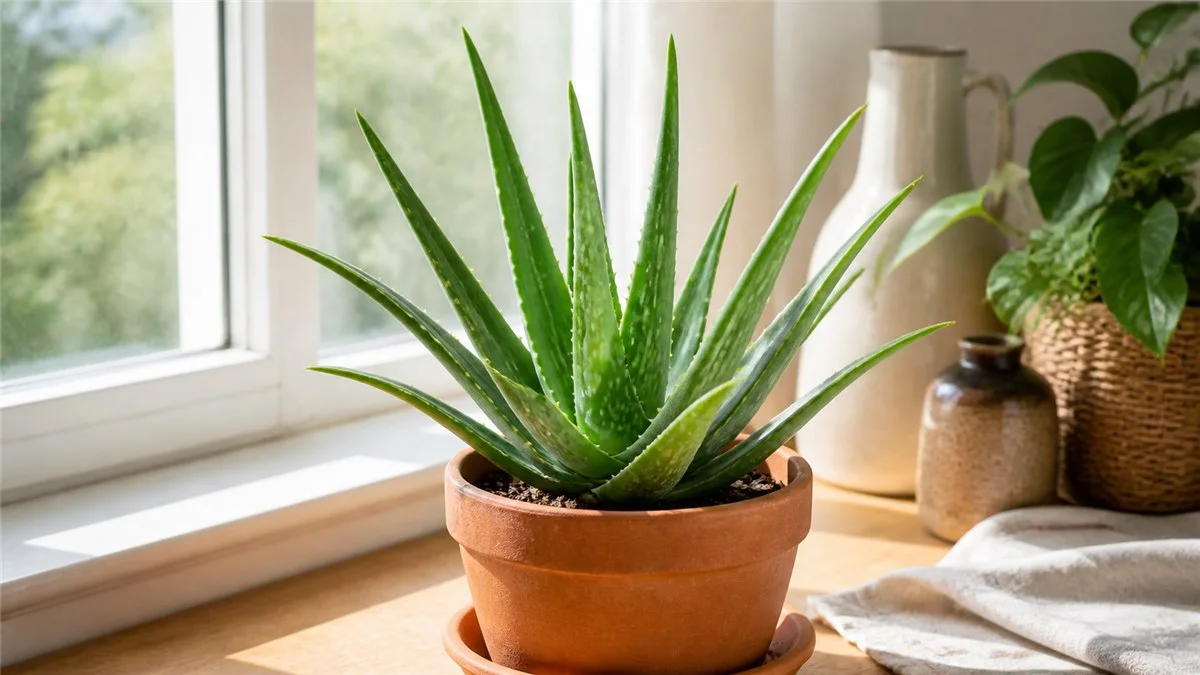
Aloe vera
Aloe vera
Aloe vera is a sun-loving succulent that struggles in dim rooms and wet soil. It is best treated like a dry-climate plant indoors.
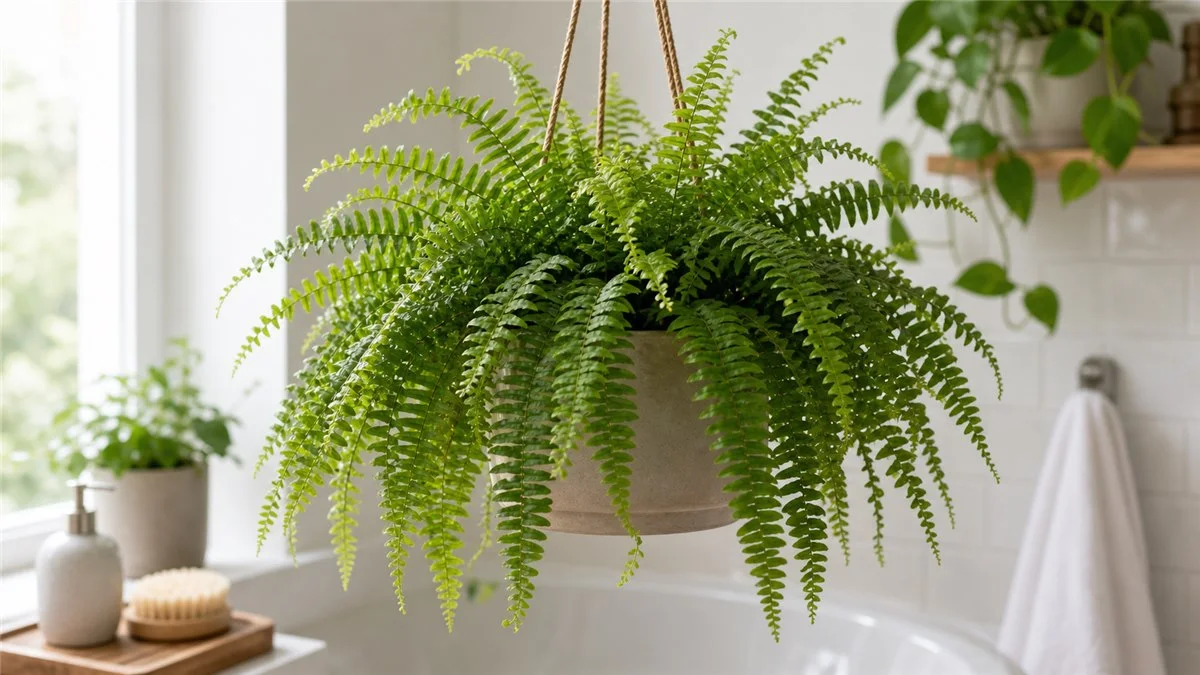
Boston fern
Nephrolepis exaltata
Boston ferns need bright filtered light, steady moisture, and humid air to keep full arching fronds indoors. Most problems come from letting the root ball dry hard, placing the fern in harsh sun, or keeping the crown soggy in a dense potting mix.
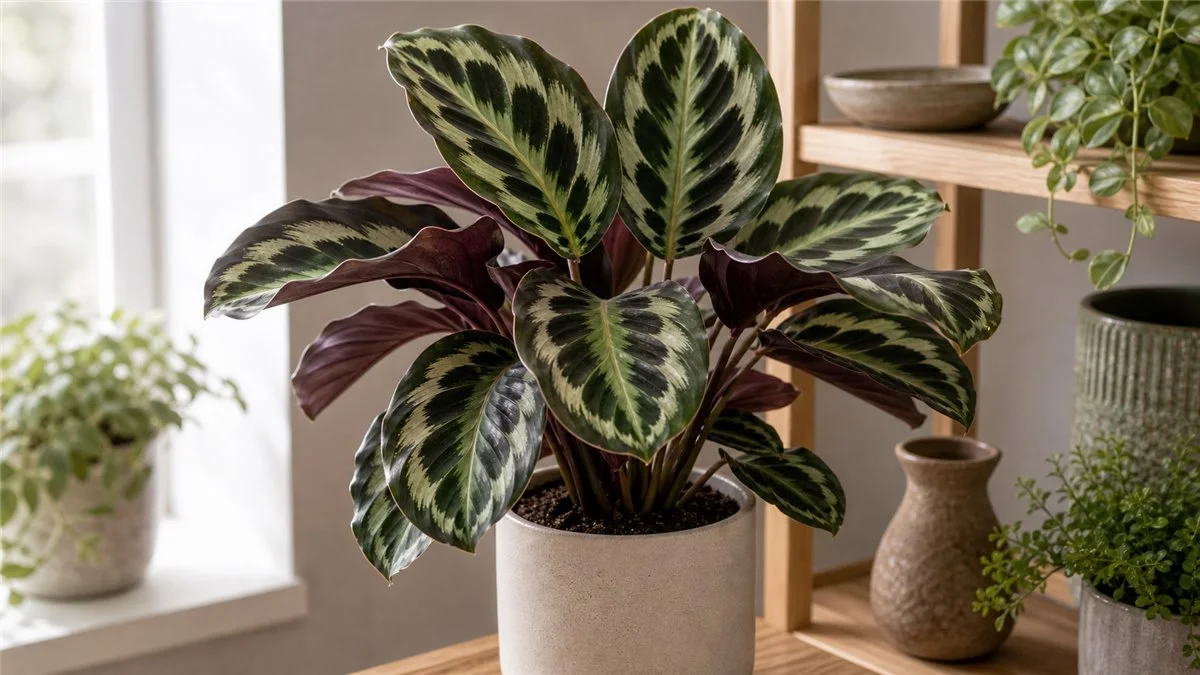
Calathea
Goeppertia species
Calatheas reward stable moisture and humidity but show stress quickly. Crispy edges often come from dry air, mineral-heavy water, or inconsistent watering.
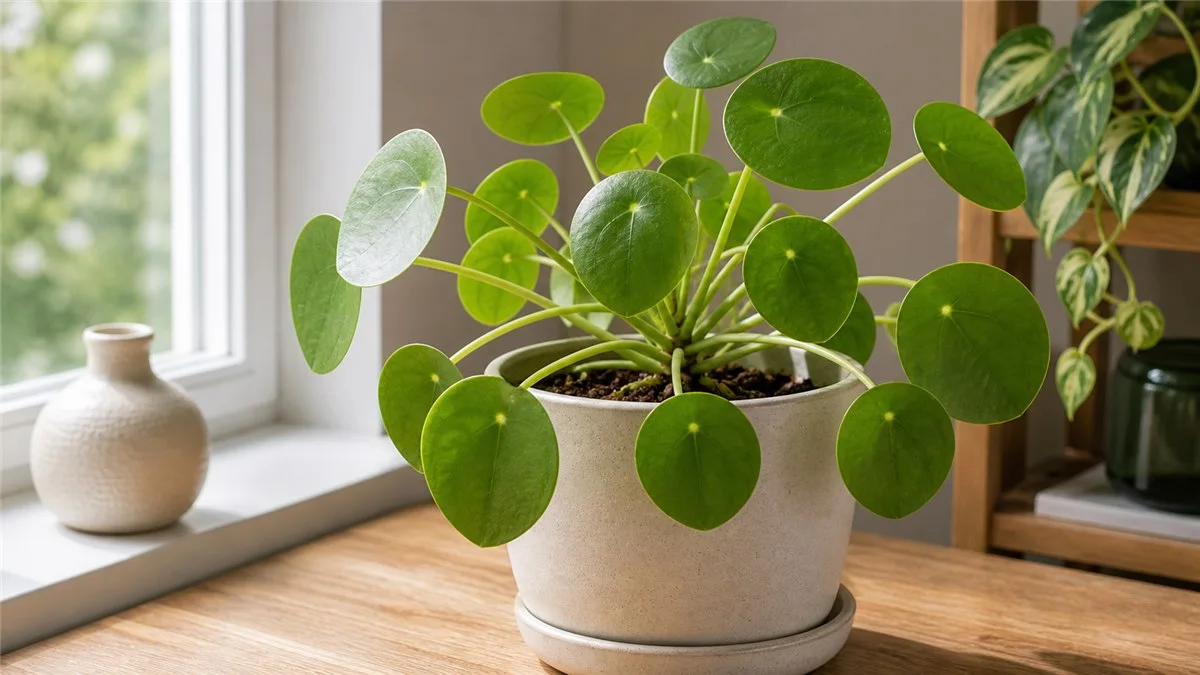
Chinese money plant
Pilea peperomioides
Chinese money plant, or Pilea peperomioides, grows best in bright indirect light, a small draining pot, and a watering rhythm that lets the upper mix dry before the next soak. It is forgiving, but curled leaves, leaning stems, and yellow lower leaves usually point to light, water, or pot-size problems.
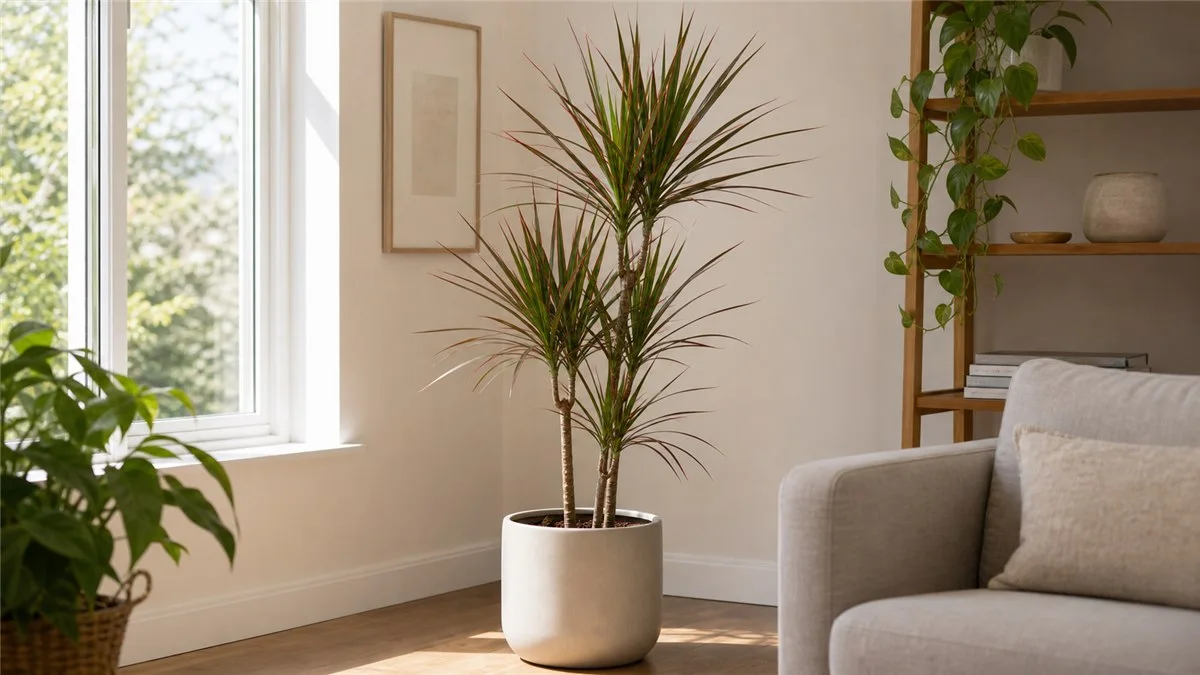
Dragon tree
Dracaena marginata
Dragon tree is a durable indoor tree with narrow leaves and sculptural canes. It tolerates average rooms but dislikes overwatering and mineral buildup.
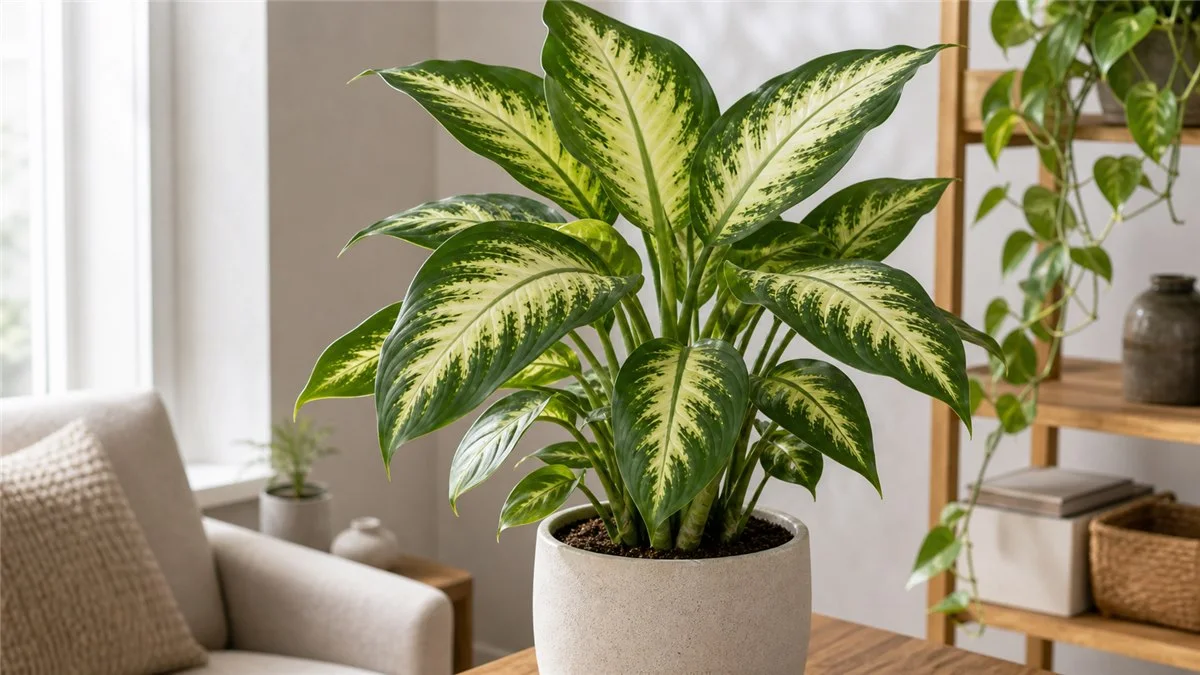
Dumb cane
Dieffenbachia
Dieffenbachia offers lush variegated leaves and relatively simple care. Its sap is irritating, so placement matters in homes with pets or children.
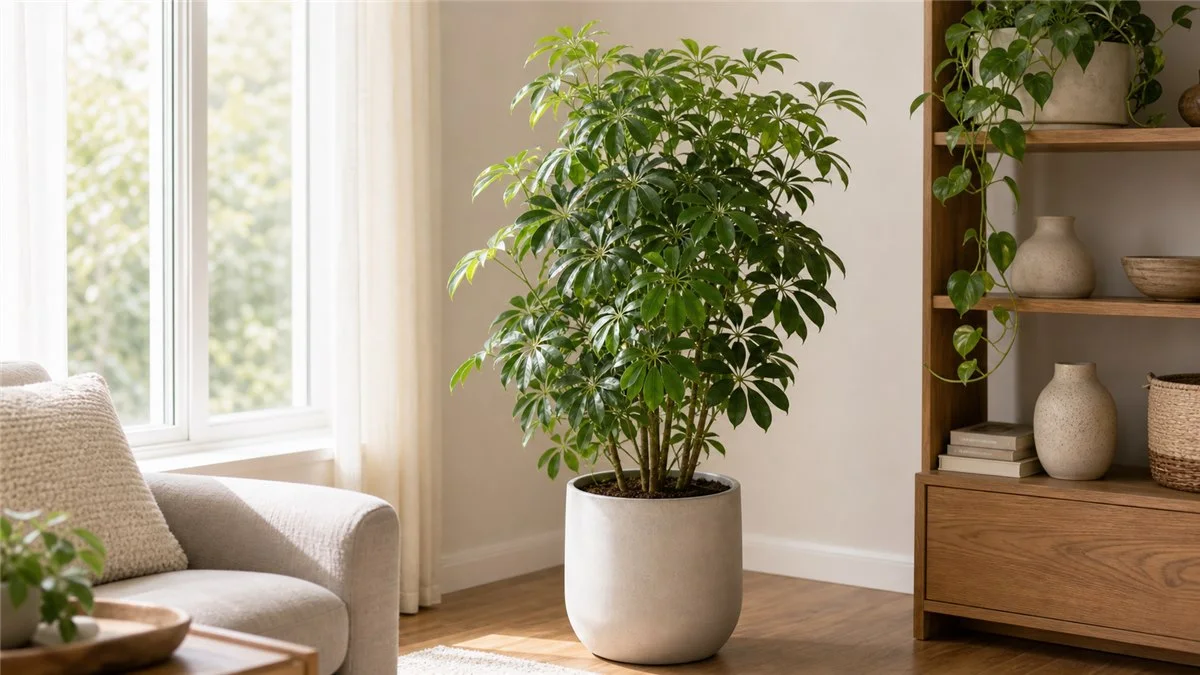
Dwarf umbrella tree
Schefflera arboricola
Schefflera grows quickly in bright indirect light and can be pruned into a fuller indoor tree. It is more prone to dropping leaves when overwatered or shocked.
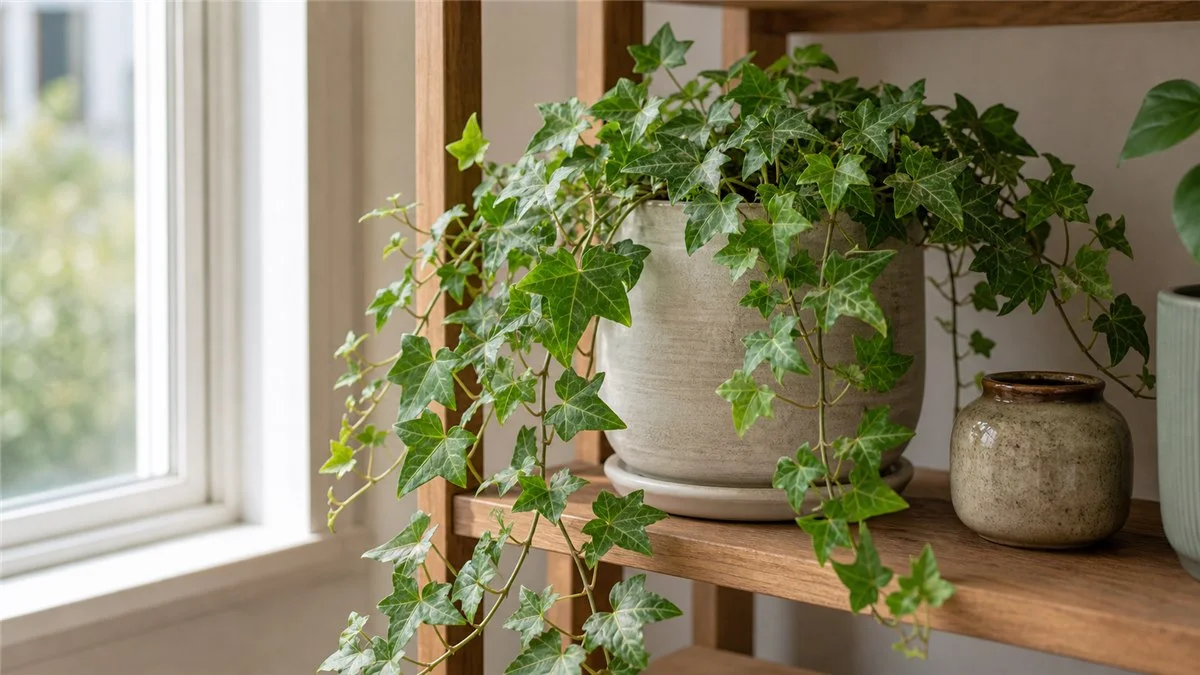
English ivy
Hedera helix
English ivy can be beautiful indoors but is pest-prone in warm dry rooms. Cool bright conditions and frequent inspections make it easier.
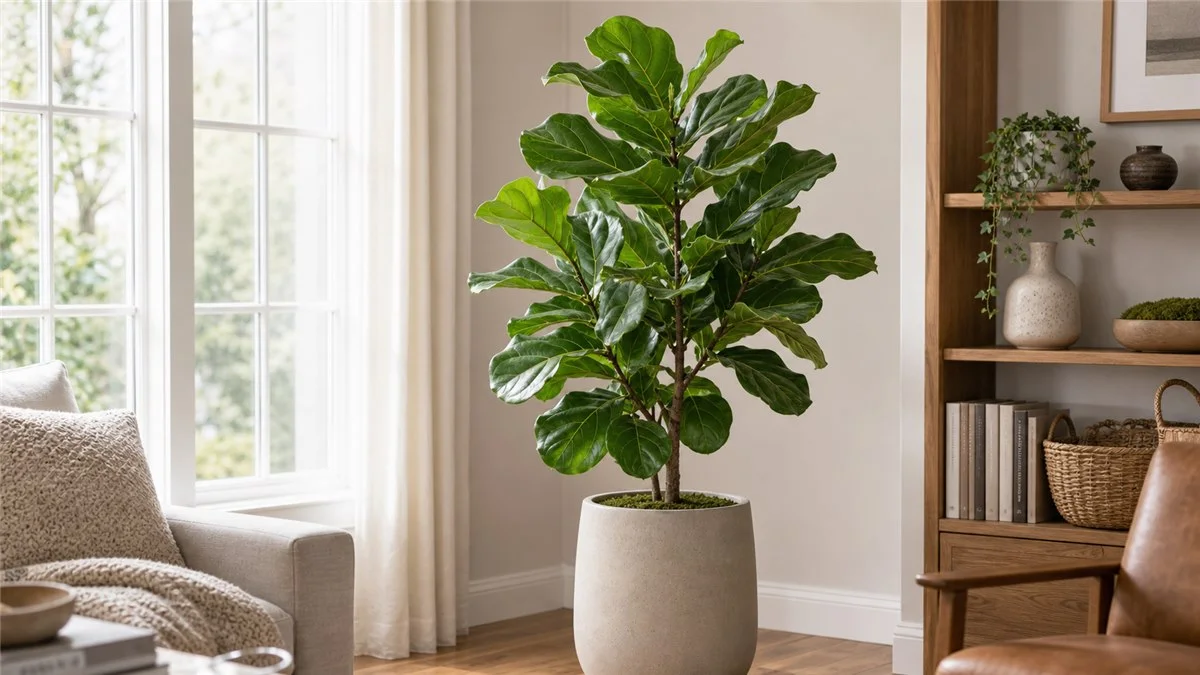
Fiddle leaf fig
Ficus lyrata
Fiddle leaf figs are impressive but less forgiving than pothos or snake plants. They need bright stable light, consistent watering, and protection from cold drafts.
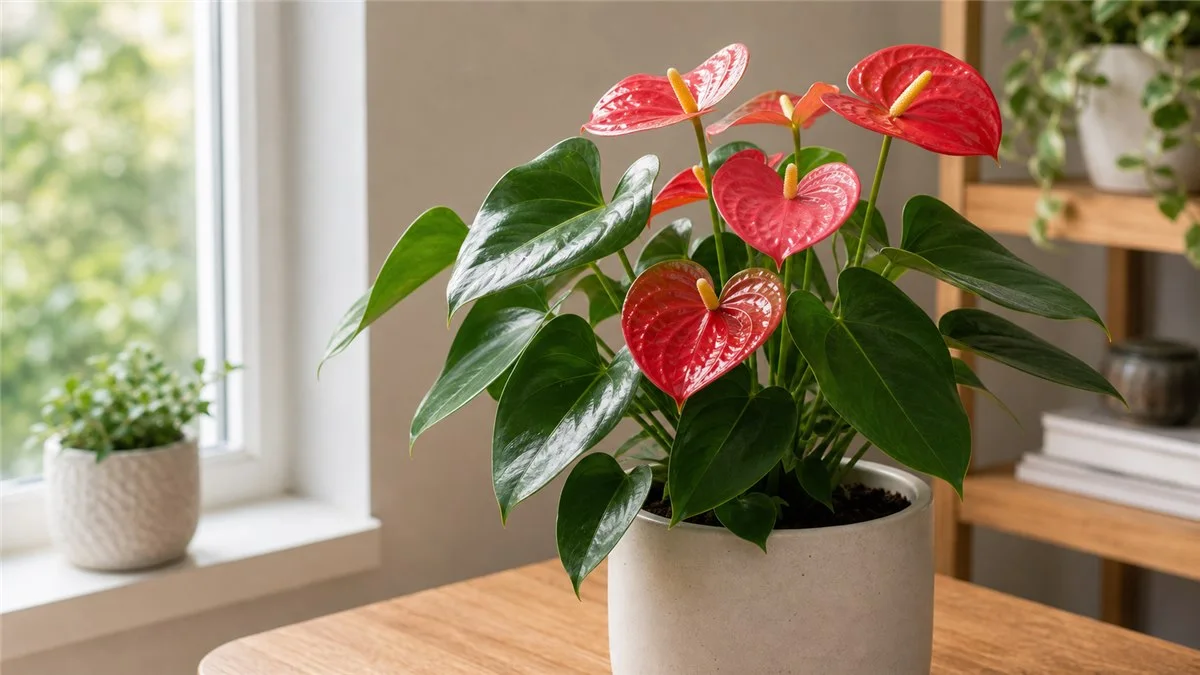
Flamingo flower
Anthurium andraeanum
Anthuriums bloom and grow best with bright filtered light, airy roots, and warm stable conditions. They should not sit in dense wet soil.
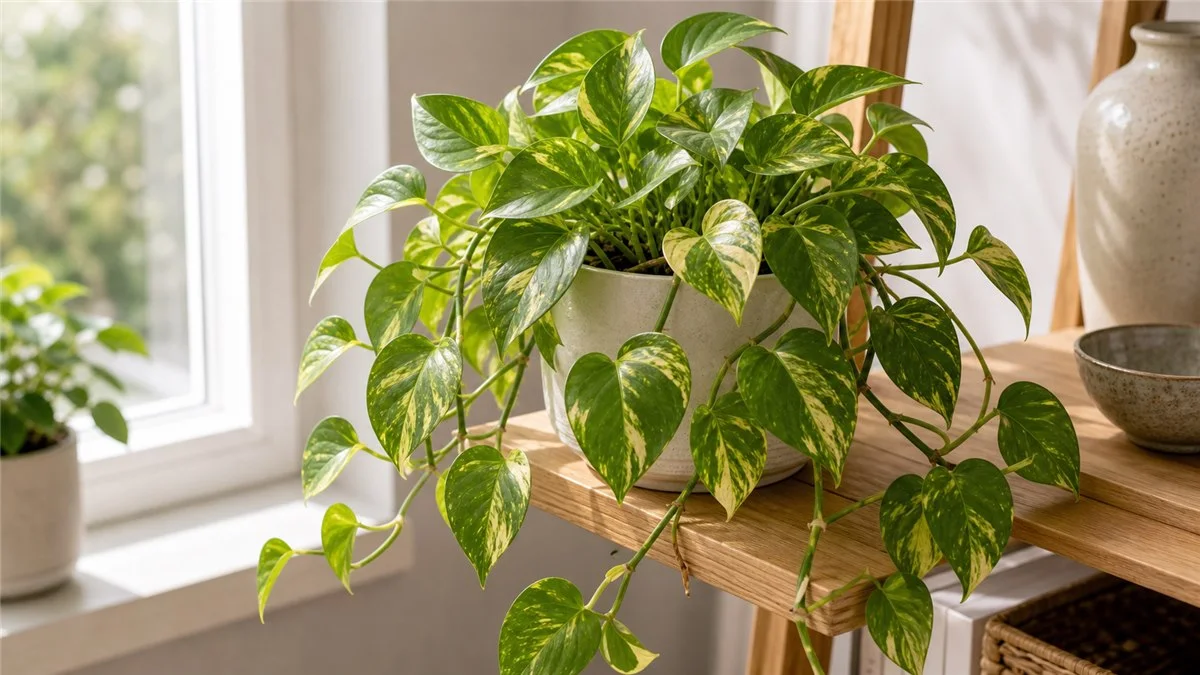
Golden pothos
Epipremnum aureum
Golden pothos is one of the most forgiving houseplants. It tolerates normal homes, roots easily from cuttings, and signals watering problems clearly through drooping or yellow leaves.
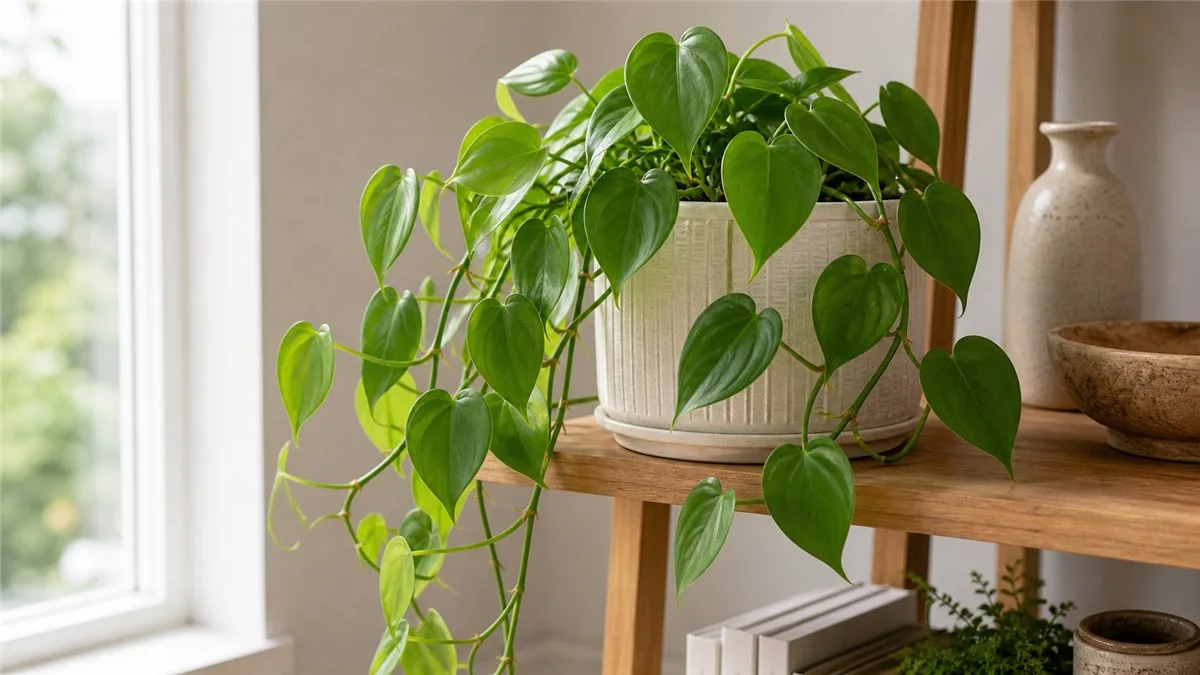
Heartleaf philodendron
Philodendron hederaceum
Heartleaf philodendron is a reliable trailing plant for shelves, hanging baskets, or moss poles. It grows fuller with pruning and brighter indirect light.
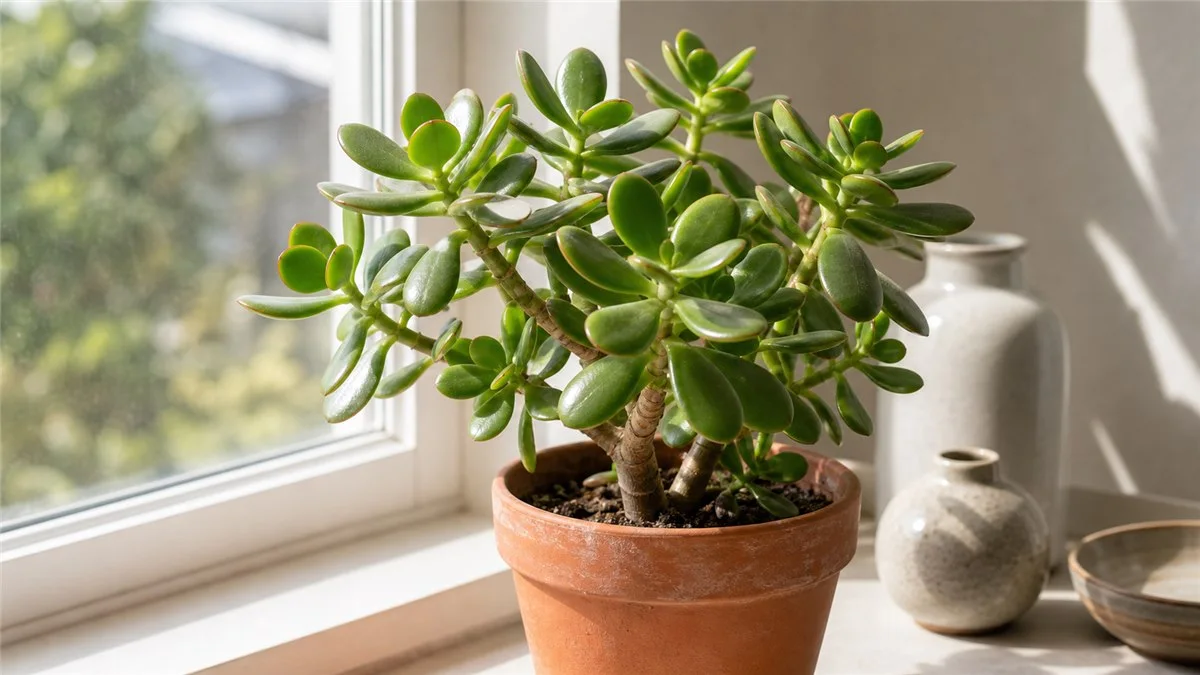
Jade plant
Crassula ovata
Jade plants need bright light and dry-downs between watering. With enough sun and restraint, they develop sturdy woody stems and compact leaves.
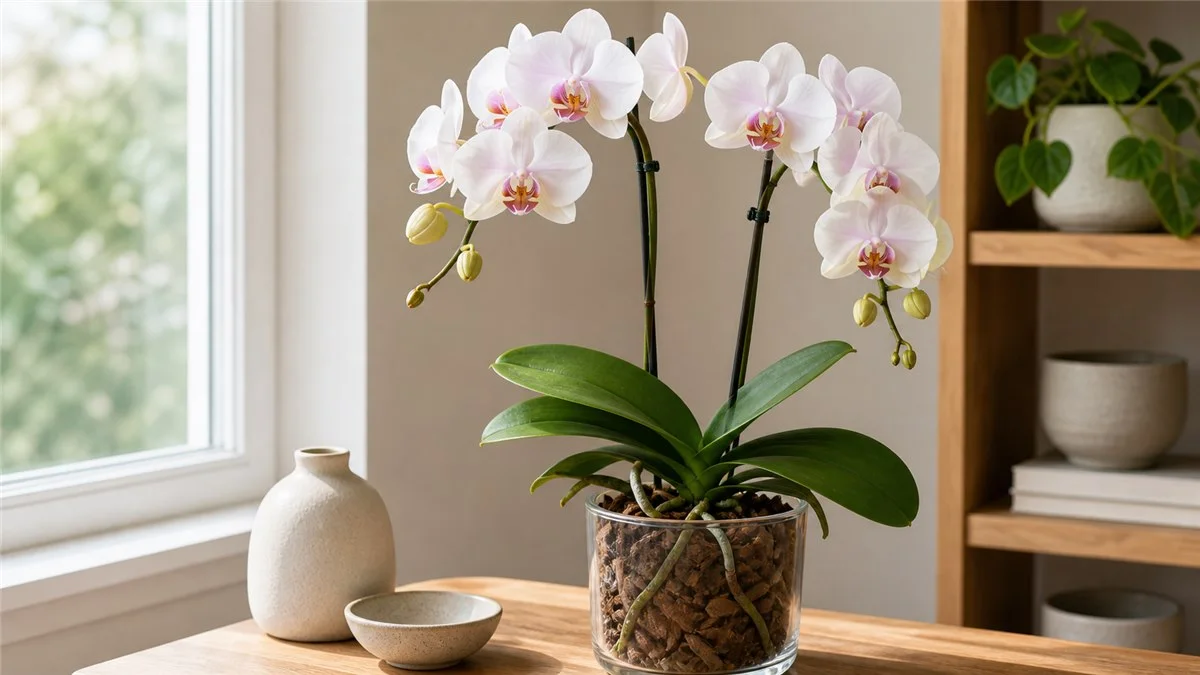
Moth orchid
Phalaenopsis
Phalaenopsis orchids are easier when treated as epiphytes, not soil plants. Clear pots, bark mix, and root color help guide watering.
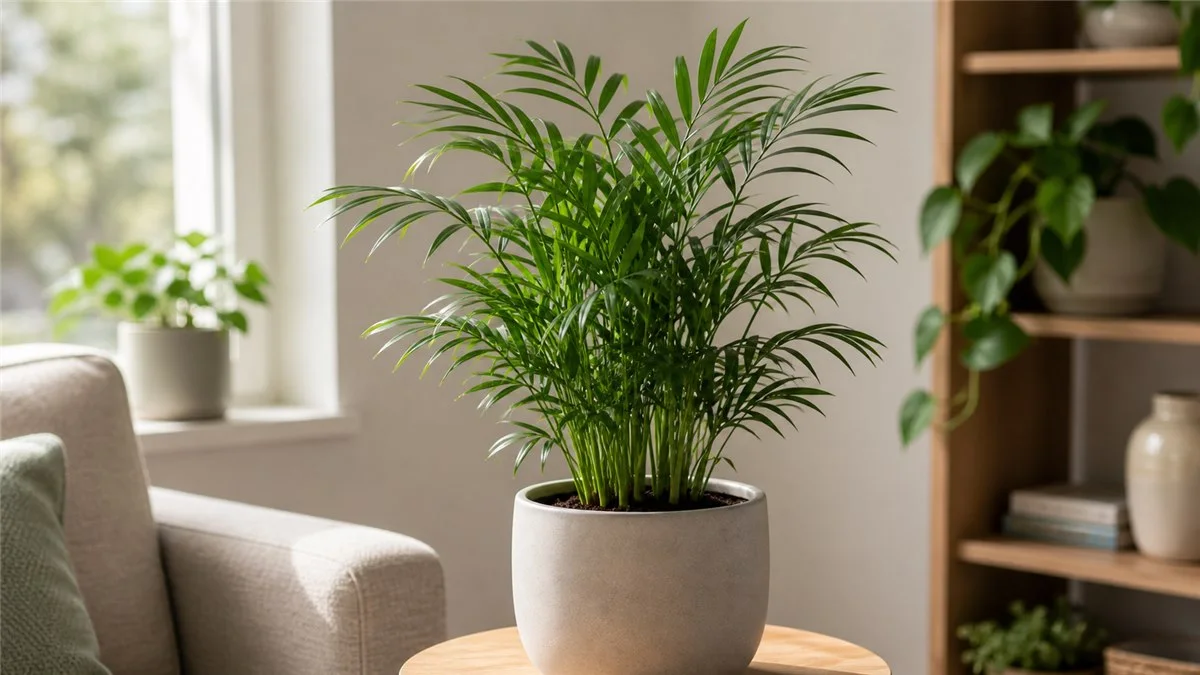
Parlor palm
Chamaedorea elegans
Parlor palms tolerate lower light better than many palms, but they still need careful watering and protection from spider mites in dry indoor air.
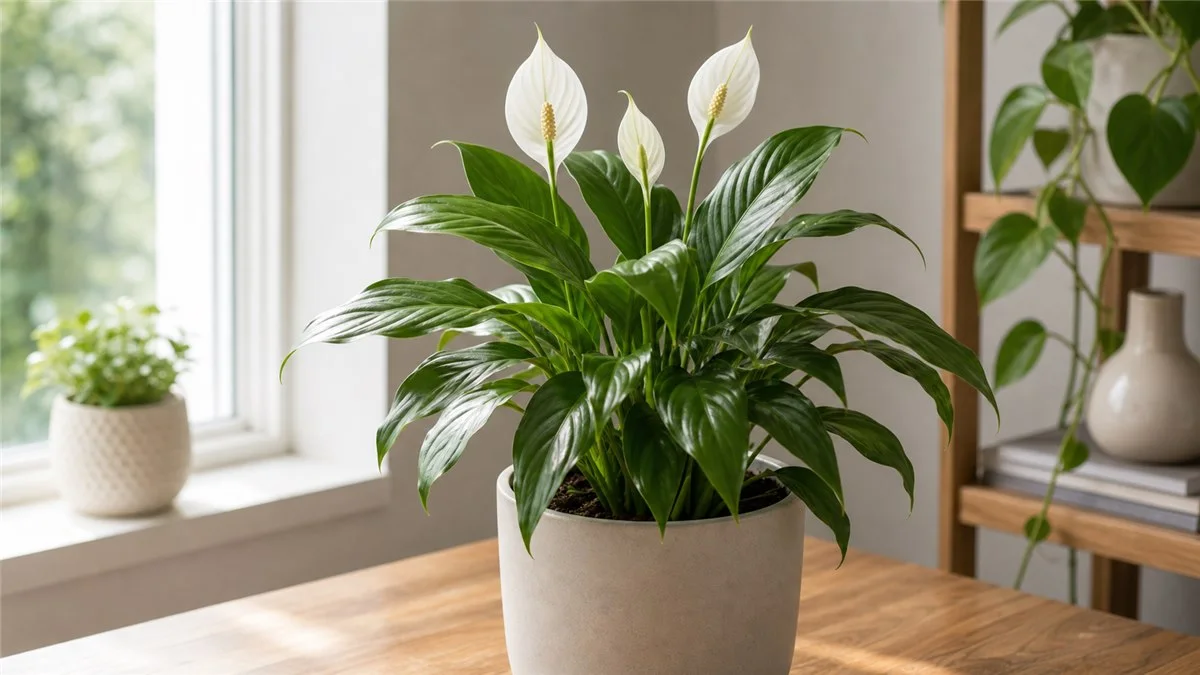
Peace lily
Spathiphyllum
Peace lilies prefer evenly moist soil without sitting soggy. They are expressive plants, often wilting when thirsty, but repeated dramatic wilting can weaken leaves.
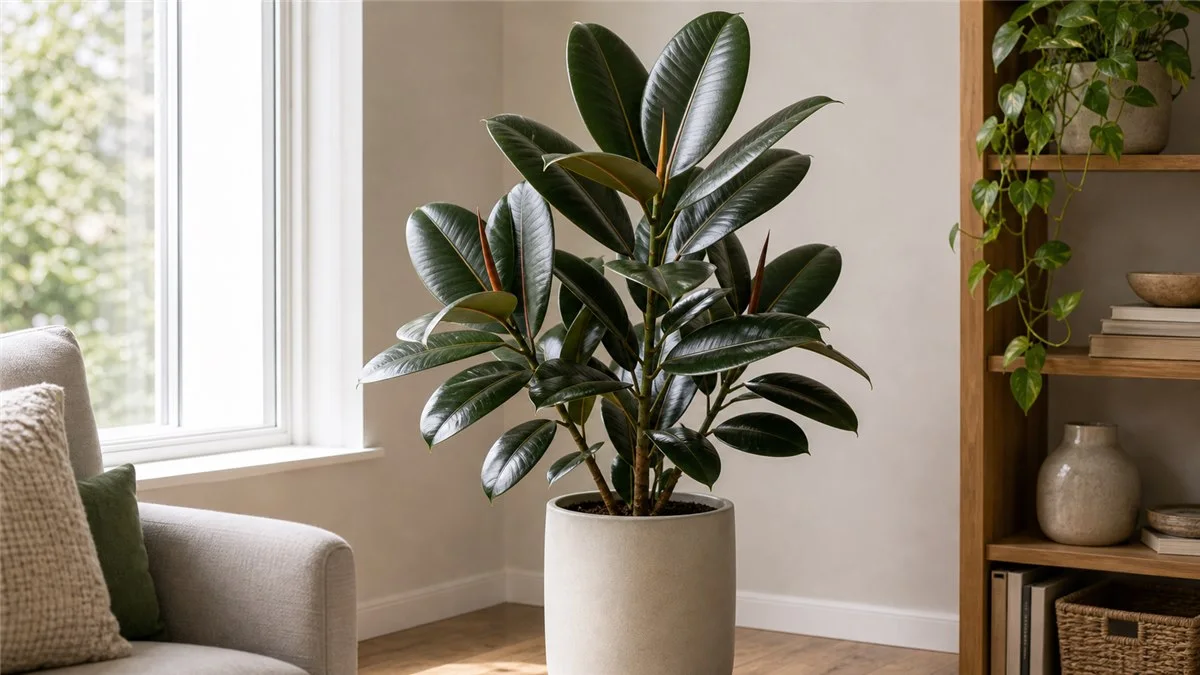
Rubber plant
Ficus elastica
Rubber plants need brighter light than many beginners expect. Stable watering, clean leaves, and patience after moving help prevent sudden leaf drop.
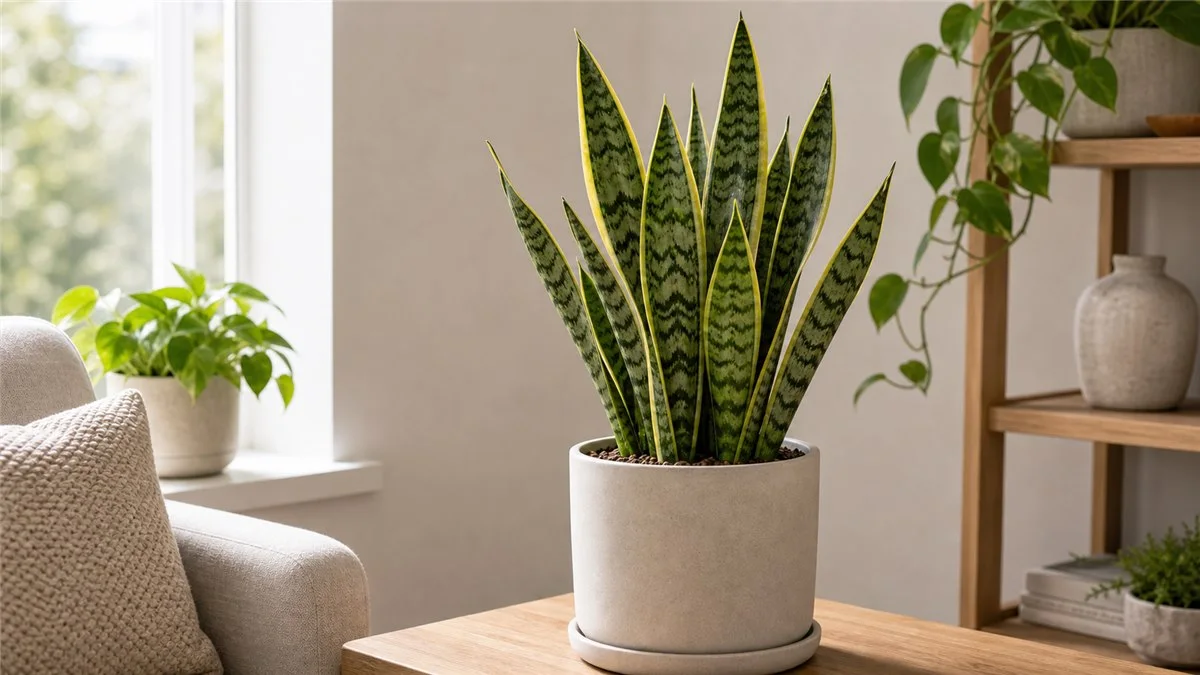
Snake plant
Dracaena trifasciata
Snake plants are tough, architectural plants that fail most often from staying wet too long. They are excellent for beginners when planted in a draining pot and watered sparingly.
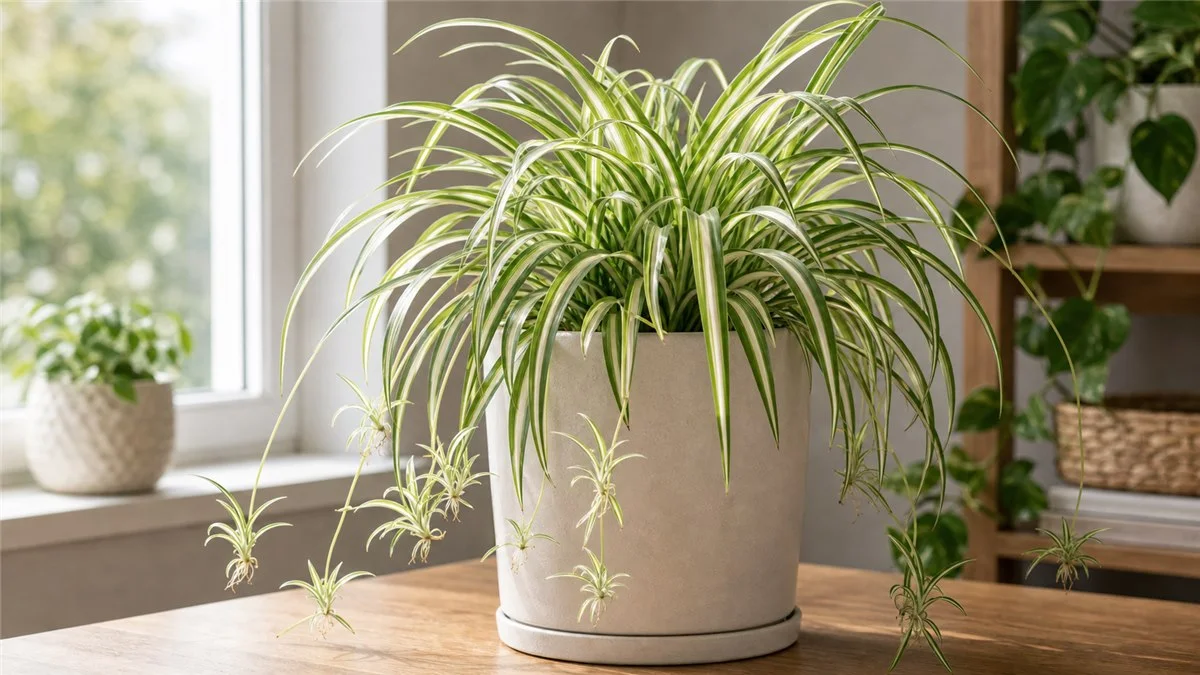
Spider plant
Chlorophytum comosum
Spider plants are fast, forgiving, and easy to propagate from plantlets. Brown tips are common and usually point to water quality, dryness, or fertilizer salts.
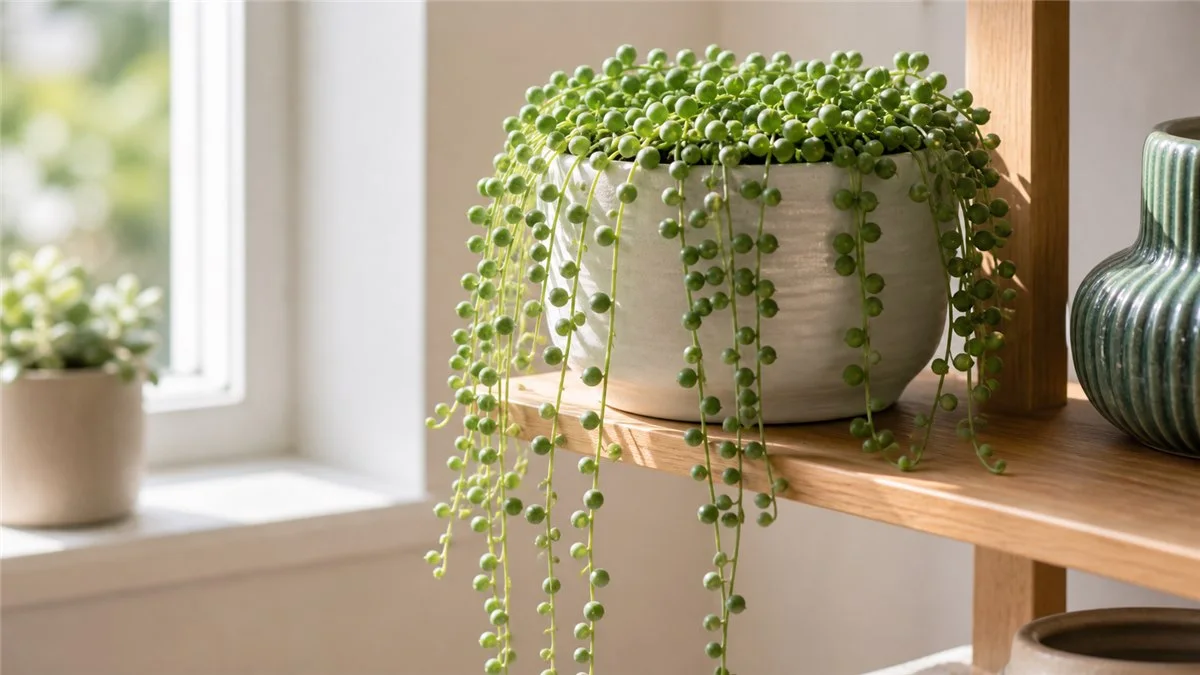
String of pearls
Curio rowleyanus
String of pearls needs brighter light, sharper drainage, and more careful watering than many owners expect. The crown and top of the pot must receive light, not only the hanging strands.
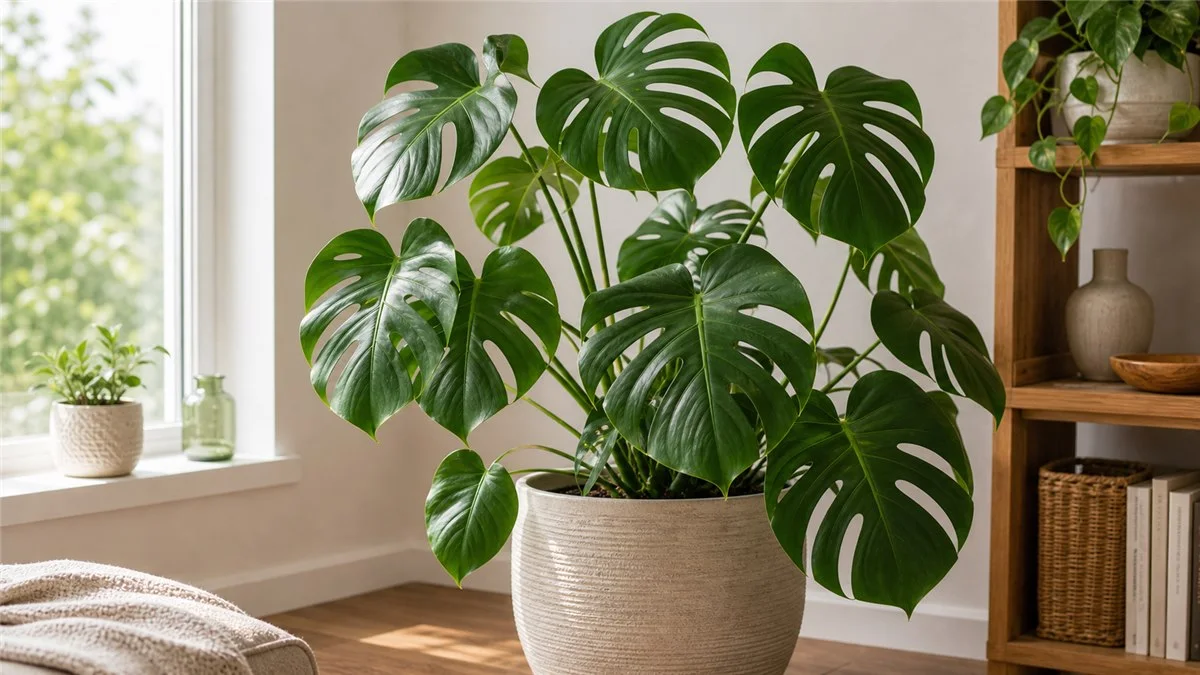
Swiss cheese plant
Monstera deliciosa
Monstera deliciosa is a dramatic climbing houseplant grown for large split leaves. It does best with strong filtered light, a chunky mix, careful watering, and a moss pole or support as it matures.
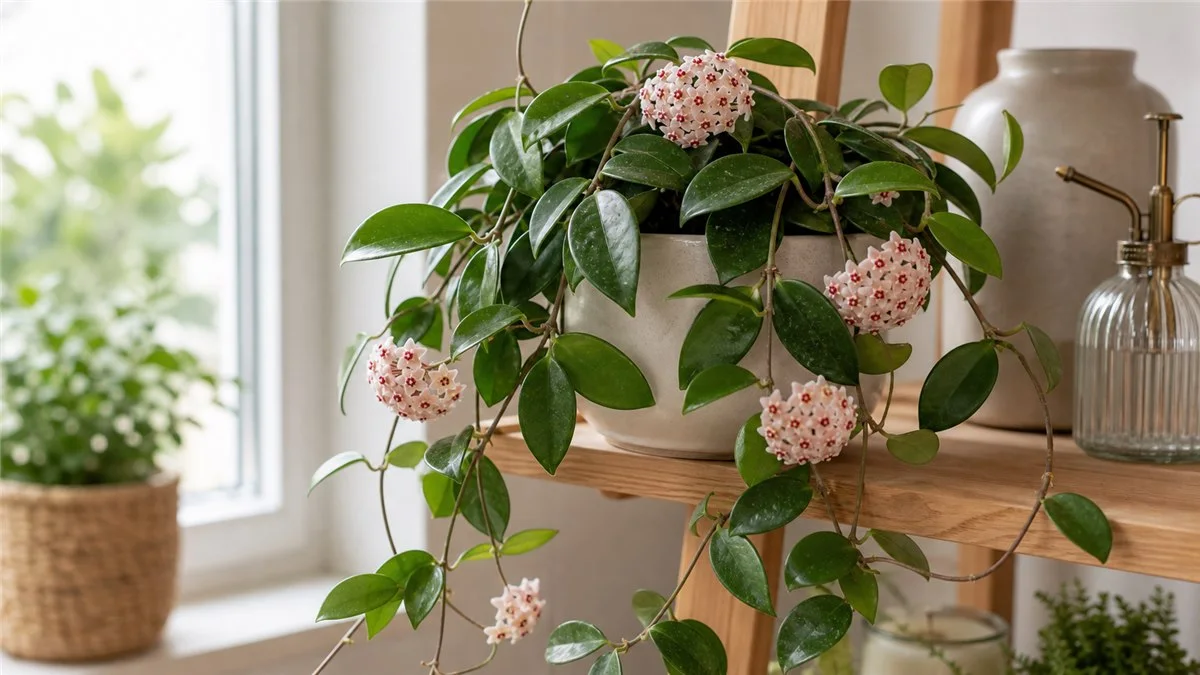
Wax plant
Hoya carnosa
Hoya carnosa has waxy leaves, trailing vines, and fragrant flower clusters when mature. It prefers bright light, airy roots, and drying between waterings.
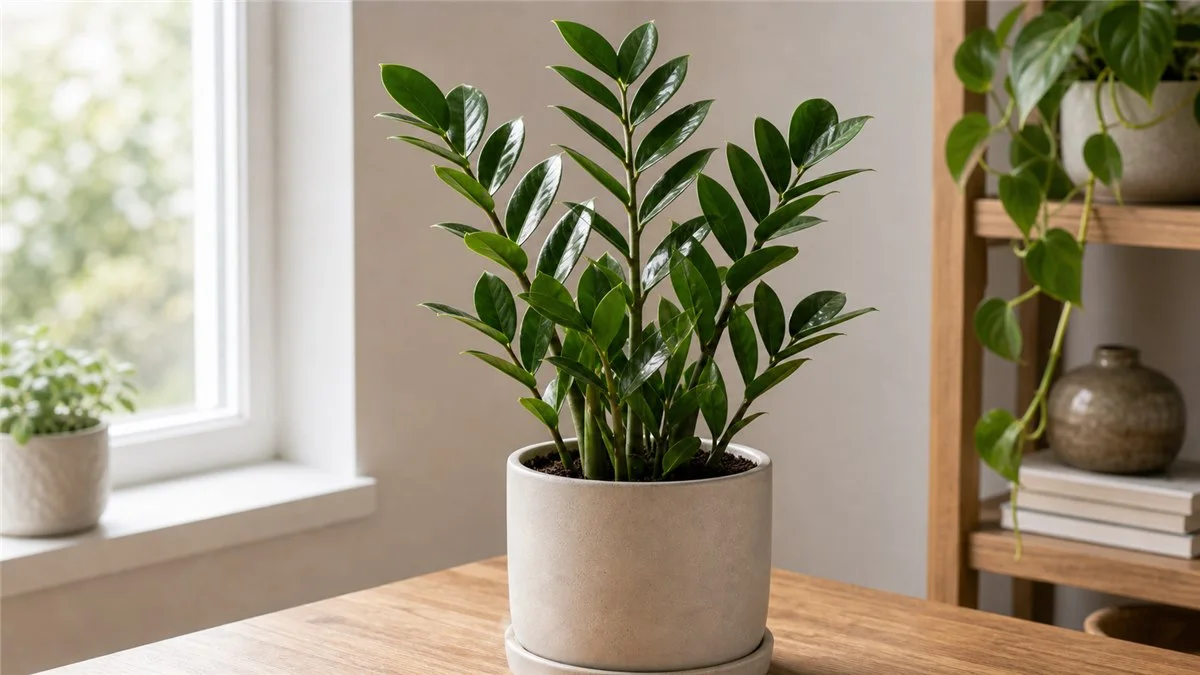
ZZ plant
Zamioculcas zamiifolia
ZZ plant stores water in thick rhizomes, making it durable in lower light and missed-watering homes. Its biggest risk is frequent watering in dense soil.