
Trailing succulent care profile
String of pearls Care Guide
String of pearls needs brighter light, sharper drainage, and more careful watering than many owners expect. The crown and top of the pot must receive light, not only the hanging strands.
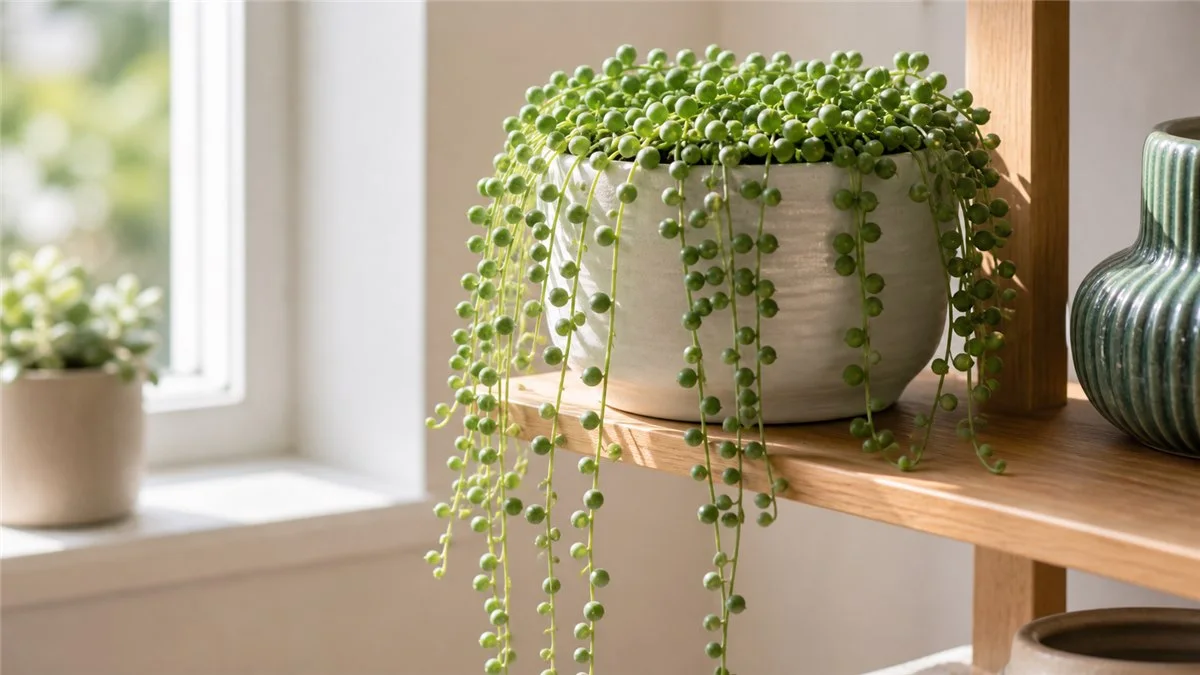
Quick Care Table
Light
String of pearls does best in very bright indirect light with some gentle morning sun. Use leaf posture, new growth, and drying speed as your practical feedback. If growth becomes stretched, pale, or smaller than expected, move the plant closer to a brighter window gradually instead of making a sudden full-sun jump.
Watering
Water deeply after the mix dries and the pearls just begin to soften. Always check the actual potting mix before watering. Pot size, root mass, light, season, temperature, and soil texture can change the interval by several days, so a fixed calendar should only be a reminder to inspect.
Soil and Potting
Use gritty cactus or succulent mix in a pot with drainage. The right mix should hold enough moisture for the roots but still let excess water leave the pot quickly. If the plant stays wet for many days, improve drainage, increase light, or check whether the pot is too large for the root ball.
Temperature and Humidity
Keep the plant away from cold drafts, heat vents, and sudden placement changes. Stable conditions are especially important after repotting, pruning, shipping, or moving the plant to a new room.
Common Problems
Most string of pearls problems come from a short list of stress points: moisture, light, root health, temperature swings, pests, or recent changes. Start by matching the visible symptom to the recent care history.
- Shriveling pearls from thirst, heat, root loss, or old strands
- Rot at the crown from wet soil and poor airflow
- Bare top of pot when the crown receives too little light
- Weak stretched growth from low light
- Sunburn after a sudden move into harsh direct sun
Collections Featuring This Plant
Compare this plant with nearby choices before buying another pot or moving it to a different room. Collections are organized by light, humidity, routine, safety, and growth habit.
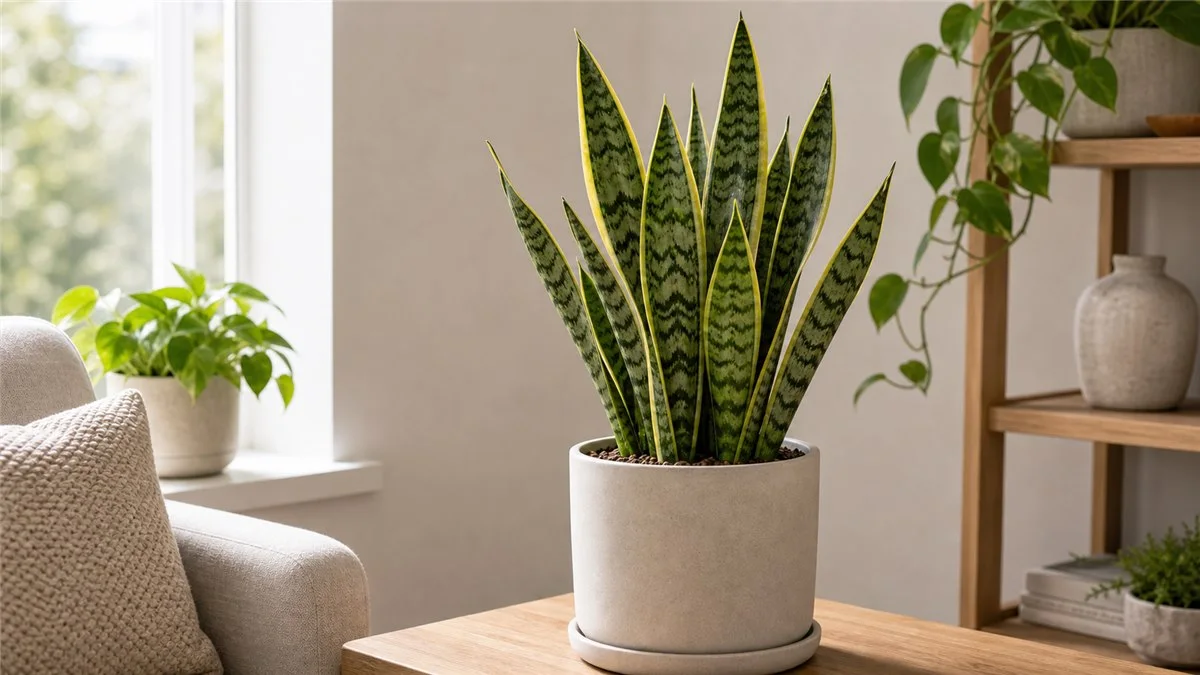 Drought-Tolerant HouseplantsThese plants store water in leaves, stems, rhizomes, or sturdy roots. They are good choices for bright dry rooms, frequent travelers, and anyone who tends to water too little rather than too often.
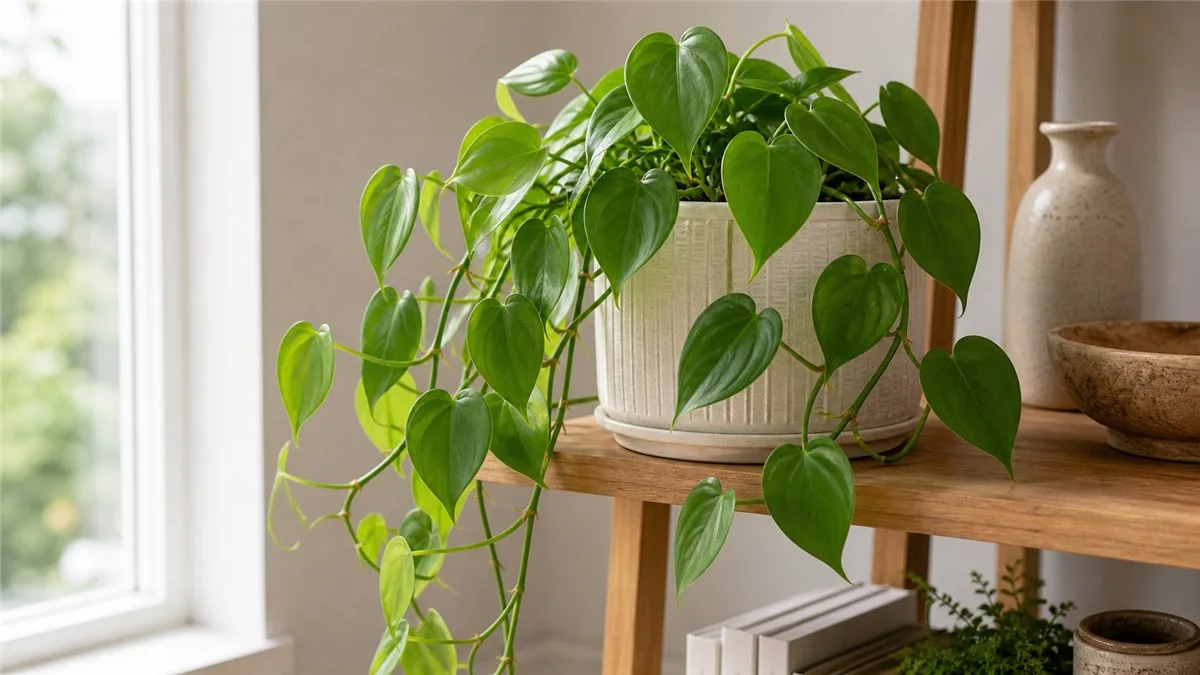 Fast-Growing Trailing PlantsTrailing plants make rooms feel full quickly and are useful for propagation practice. They still need enough light to stay compact, enough pruning to branch, and enough space so long vines do not become thin and tired.
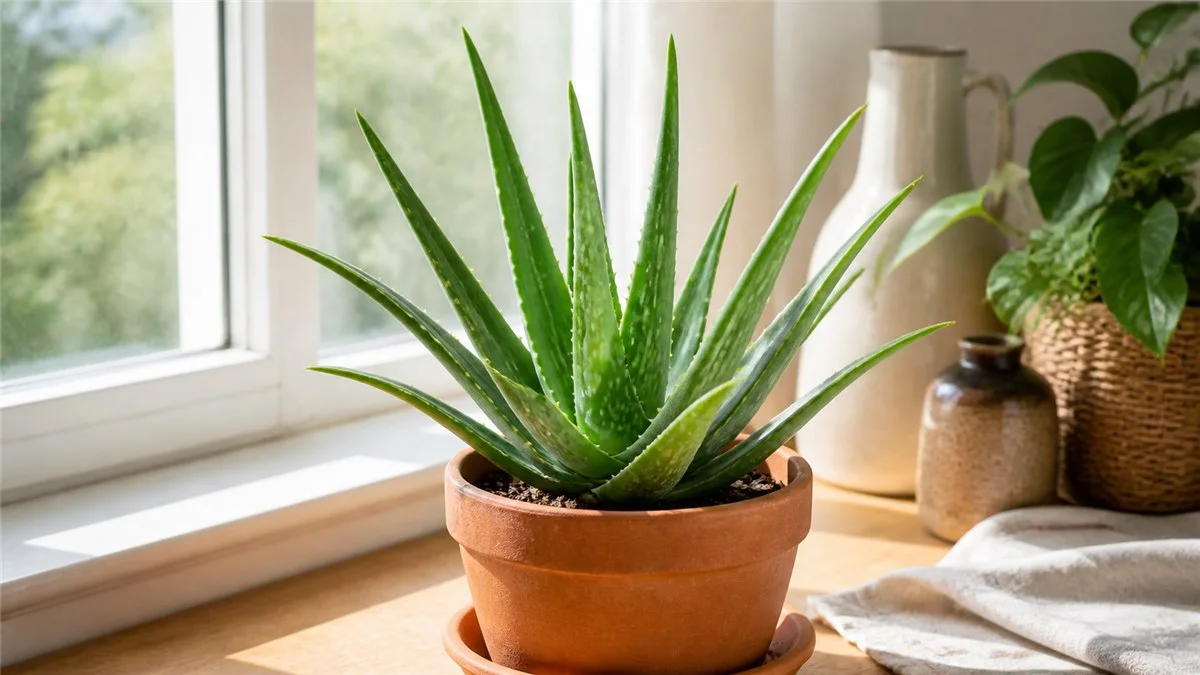 Plants For Bright WindowsBright-window plants need more usable light than low-light foliage plants, but many still need protection from harsh afternoon sun. This collection helps match sunny rooms, sill space, and high-light corners with plants that can use the brightness.
Care Notes
- Place the pot so the crown receives bright light, not only the hanging strands.
- Use a shallow container with drainage and a gritty fast-drying mix.
- Water thoroughly after the mix dries instead of giving frequent tiny sips.
- Acclimate to direct sun gradually, especially after shipping or a dim store shelf.
- Propagate healthy strands on top of soil to refill a bare crown.
String of Pearls Light Requirements
String of pearls is a succulent, so it usually needs more usable light than pothos, peace lily, or many other common foliage plants. The best indoor placement is very bright indirect light with some gentle direct sun, especially morning sun. A bright east window, a filtered south window, or a strong grow-light shelf can work well.
The crown matters most. Many struggling plants hang in a bright-looking room while the top of the pot sits in shade on a high shelf. The strands may be visible, but the growing points at the soil surface are not receiving enough light. When the crown is shaded, new growth weakens, the top becomes bare, and watering becomes harder because the plant uses water slowly.
- Good light signs: compact round pearls, firm strands, active new growth at the crown, and soil that dries predictably.
- Low light signs: stretched spacing between pearls, a thinning crown, slow drying soil, pale growth, and weak new strands.
- Too much direct sun signs: bleached pearls, crispy patches, sudden shriveling after a move, or hot leaves against glass.
How Much Sunlight Can String of Pearls Take?
String of pearls can often handle gentle direct sun, but it should be acclimated slowly. Morning sun is usually safer than hot afternoon sun through glass. If the plant was grown in a nursery, shipped in a box, or kept on a dim store shelf, it can scorch when moved straight into intense sunlight.
Increase light in stages. Move the plant closer to the window over several days or weeks, or use a sheer curtain while it adjusts. Judge the change by new growth and pearl firmness, not by old strands that were already stressed.
Watering Without Rotting the Crown
Watering string of pearls is easiest when you treat the plant like a succulent with a sensitive crown. Let the mix dry thoroughly, then water deeply so the root ball is evenly moistened and excess water drains away. Avoid frequent tiny sips, because they can keep the crown damp while failing to hydrate deeper roots.
Shriveling pearls do not always mean the plant needs more water. Pearls can shrivel from thirst, but they can also shrivel when roots have rotted and can no longer take up water. Before watering a shriveled plant, check whether the soil is dry and whether the crown is firm or mushy.
- If the mix is dry, the pot feels light, and pearls are slightly soft, water thoroughly.
- If the mix is wet, the crown is soft, or strands collapse near the soil, hold water and inspect roots.
- If the top is bare but strands look healthy lower down, improve crown light and propagate cuttings back onto the soil.
Soil, Pot Size, and Drainage
A gritty cactus or succulent mix is a better starting point than dense all-purpose potting soil. String of pearls has shallow roots and stores water in its leaves, so a deep moisture-retentive pot can stay wet too long. A shallow pot with drainage often makes watering more predictable.
If your plant repeatedly rots at the crown, look beyond the watering calendar. Dense soil, an oversized pot, a cover pot with trapped water, low light, and poor airflow can all keep the crown wet for too long.
Propagation and Refilling a Bare Top
Healthy strands can be propagated by laying nodes along the soil surface and pinning them lightly so they contact the mix. This is especially useful when the top of the pot becomes bare. Keep the propagation area bright and lightly moist until roots form, but avoid soaking the crown.
Do not rely only on long hanging strands. A full string of pearls plant needs active growth at the top. Prune tired strands, root healthy cuttings, and rebuild the crown where light can reach it.
Before You Change Care
Check soil moisture, light exposure, pot drainage, recent moves, temperature swings, and pest signs before changing several variables at once. Most houseplants respond more clearly when you adjust one likely issue, then watch new growth.
Pet and Household Safety
Toxic if chewed by pets or children. Plant identity matters, because common names can overlap. If a pet or child chews the plant and symptoms appear, contact a veterinarian, poison control service, or local medical professional rather than waiting on a plant-care guide.