Best Low-Maintenance Houseplants for Beginners
Compare forgiving beginner houseplants by light tolerance, watering needs, growth habit, pet safety, and the care mistakes they tolerate best.
Quick answer
The best beginner houseplants are forgiving, readable, and matched to your home. Choose for your light, watering habits, and pet safety before choosing by appearance alone.
The safest way to use any plant-care guide is to start with the plant in front of you: its species, pot size, soil moisture, light level, drainage, root condition, pest pressure, season, and recent changes. Those details decide whether a symptom points to a simple routine adjustment or a deeper root, light, or pest problem.
What makes a plant low-maintenance
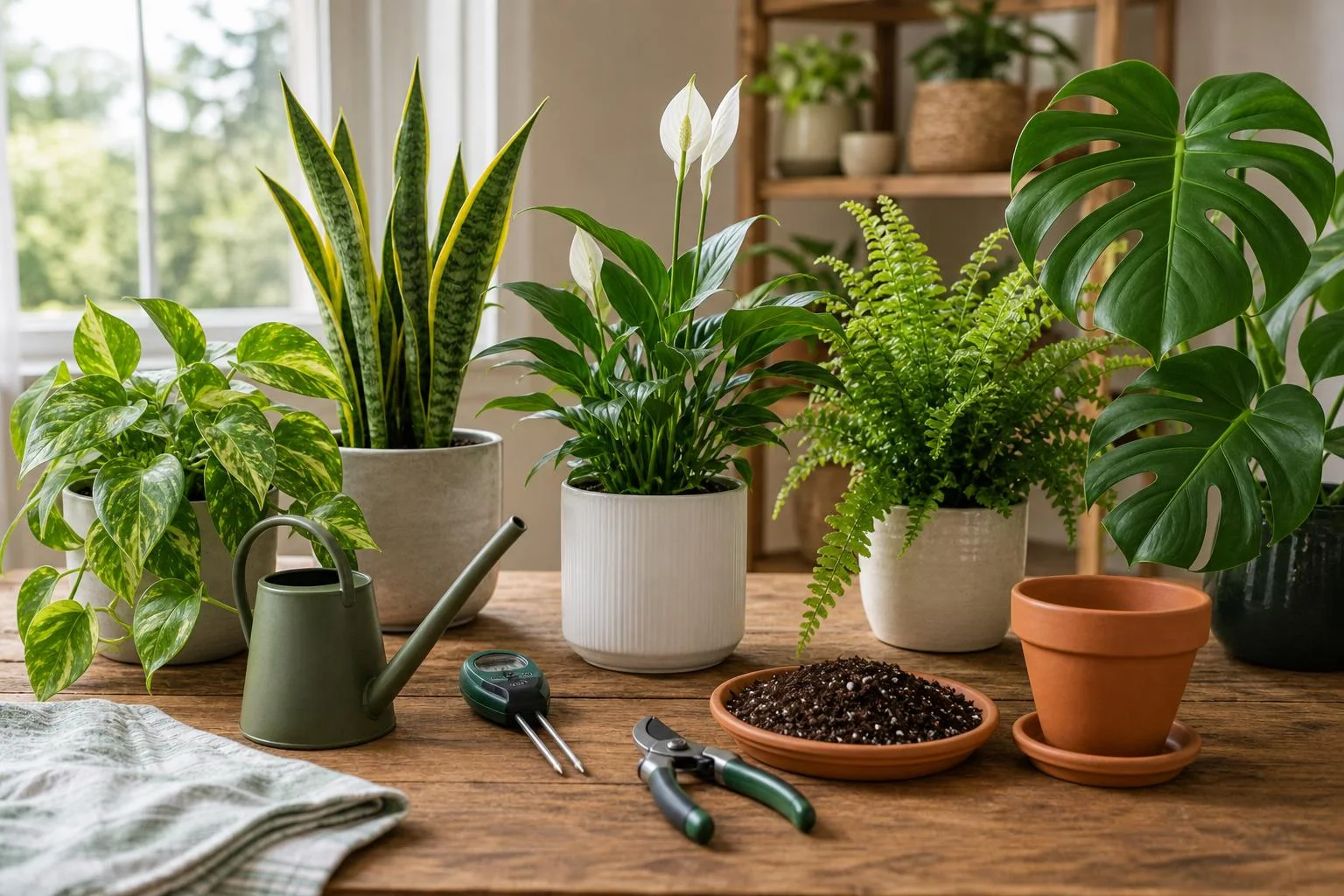
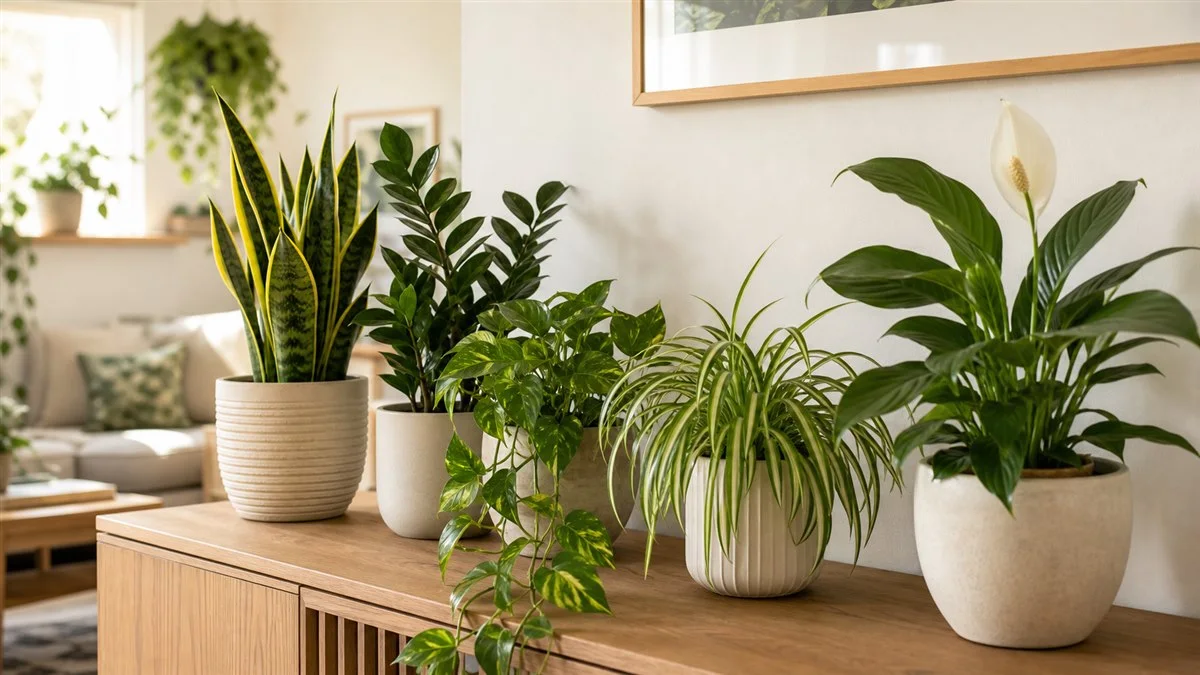
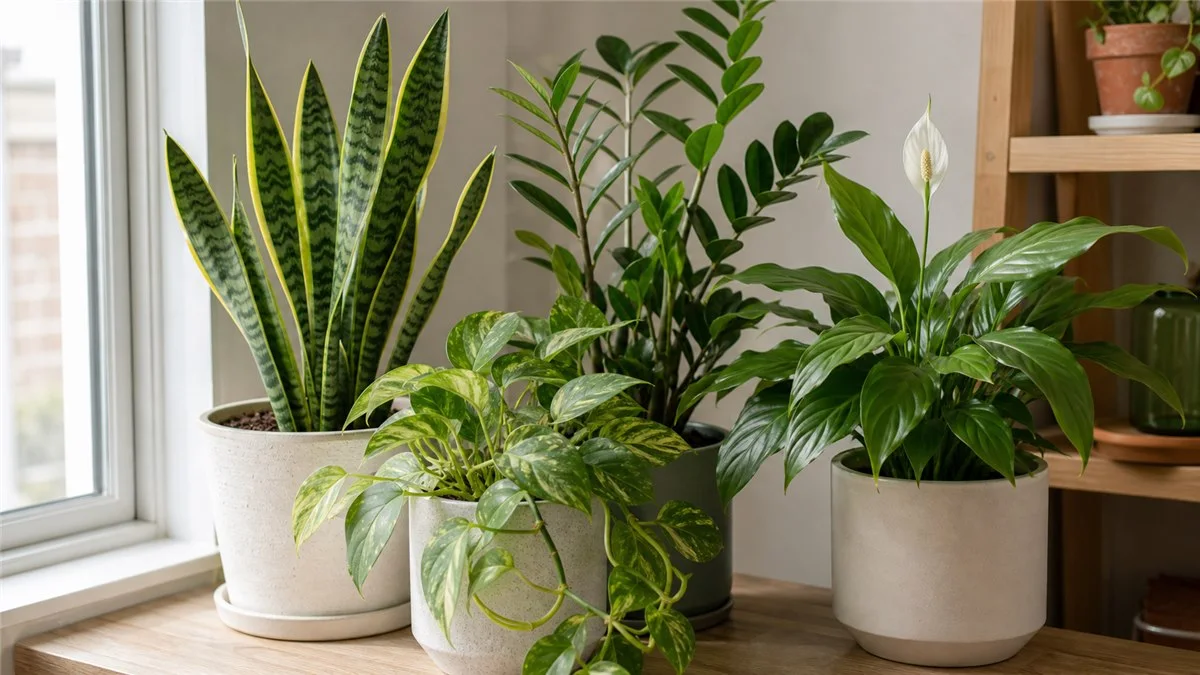
A beginner-friendly plant tolerates normal indoor conditions, forgives an occasional missed watering, and gives readable signals before it collapses. Pothos, snake plant, ZZ plant, spider plant, heartleaf philodendron, and some dracaenas are popular because they can adapt to a range of homes. That does not mean they thrive in darkness or wet soil; it means their care window is wider than more sensitive plants.
The best beginner plant is the one that matches your light and habits. If you travel or forget to water, drought-tolerant plants are kinder. If you like checking plants often, moisture-loving plants may work as long as the pot drains well. If you have pets that chew leaves, toxicity should shape the shortlist before appearance does.
Beginner habits that prevent problems
Keep the routine simple. Check soil before watering, keep plants in pots with drainage, learn the difference between old leaf decline and new growth trouble, and avoid changing several care variables in the same week. A small notebook or phone note can help you notice drying time, repotting dates, and pest issues before they blur together.
Start with common plants. They are easier to replace, easier to research, and more forgiving while you learn how your home affects plant care. Rare plants can be rewarding later, but they often make beginner mistakes more expensive.
What to check first
- Soil moisture below the surface, especially near the root zone.
- Light intensity, window direction, and whether the plant receives direct sun or only reflected daylight.
- Drainage holes, pot size, saucers, cover pots, and soil texture.
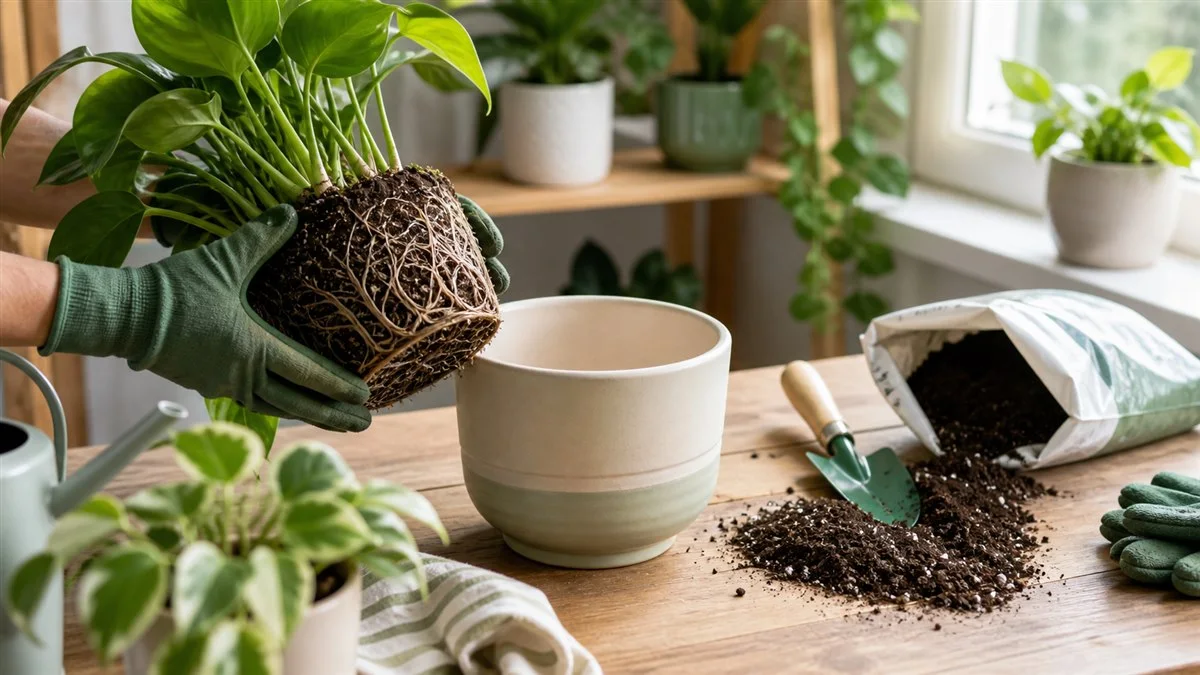
- Recent moves, repotting, fertilizer, pruning, heat, drafts, or watering changes.
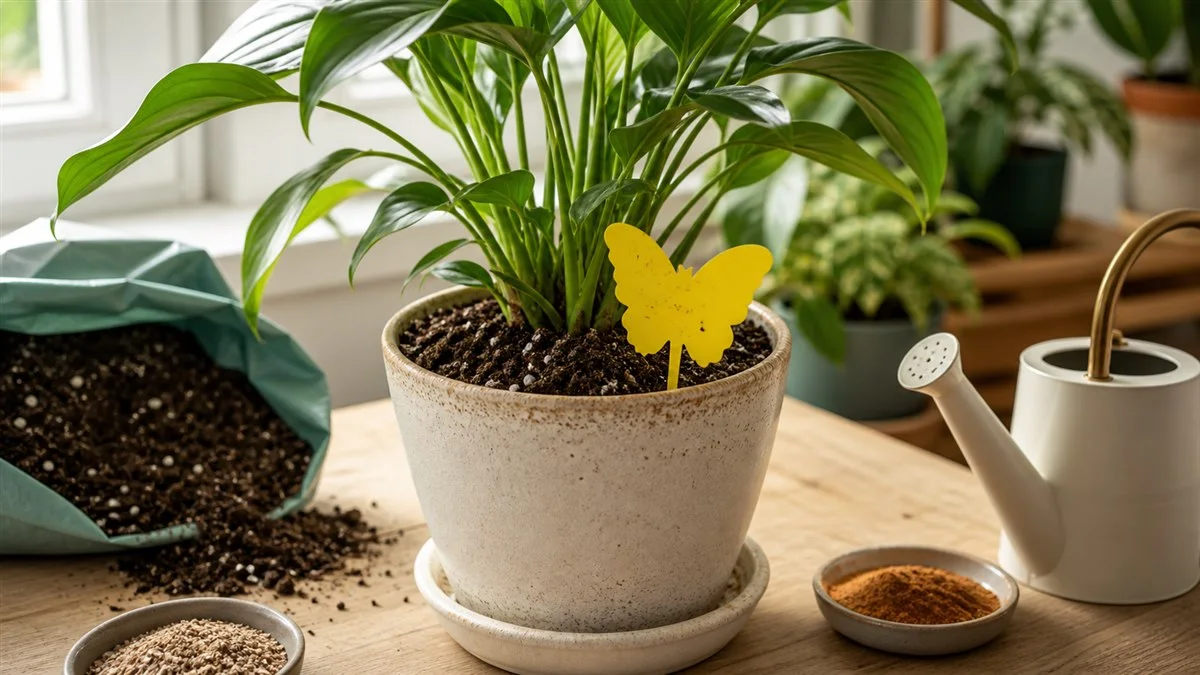
- Leaf undersides, stems, soil surface, and drainage holes for pests or root stress.
How to decide what to change
Choose the most likely issue and adjust that first. If soil is staying wet, improve drying time before adding fertilizer. If growth is stretched, improve light before pruning heavily. If pests are visible, isolate the plant and identify the pest before treating the whole collection.
What recovery looks like
Old damaged leaves rarely become perfect again. Judge recovery by new growth, firmer stems, healthier roots, steadier drying time, and whether the plant stops declining. Many indoor plants need several weeks to show a clear response after a care correction.
Common mistakes to avoid
- Repotting, fertilizing, moving, pruning, and treating pests all in the same week.
- Watering because a reminder fired instead of because the soil and plant indicate it is time.
- Assuming every yellow leaf, brown tip, or drooping stem has the same cause across all species.
- Using fertilizer or pest products without reading the label, testing carefully, and considering pets, children, and ventilation.
Safety and household notes
Verify plant identity before relying on toxicity guidance, because common names can overlap. Many common houseplants can irritate pets or children if chewed, and some pest treatments or soil amendments need gloves, ventilation, or careful storage. If exposure is urgent, contact a veterinarian, poison control service, or local professional.
Choose easy plants by the mistake they forgive
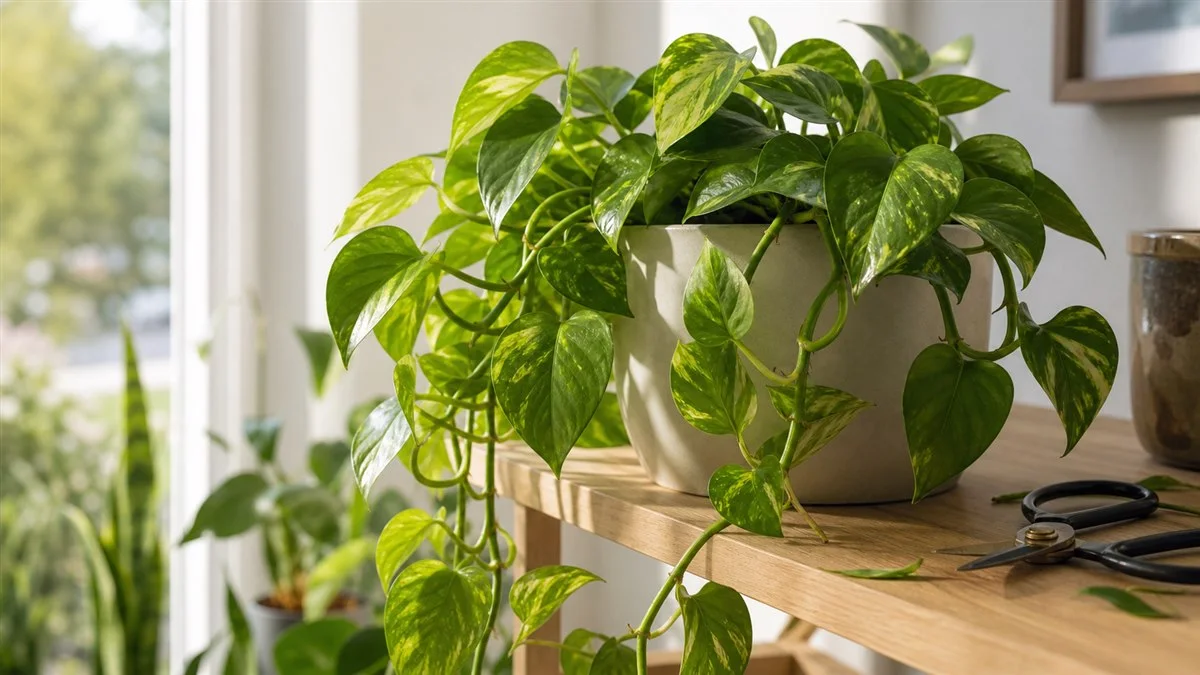
Low-maintenance does not mean every easy plant forgives the same mistake. Snake plant and ZZ plant forgive missed watering better than soggy soil. Pothos and heartleaf philodendron forgive pruning, imperfect light, and occasional watering swings. Spider plant gives fast feedback and can recover from many small mistakes. Rubber plant and dracaena are sturdy but still dislike repeated overwatering and sudden cold drafts.
Choose based on your real pattern. If you forget plants for two weeks, drought-tolerant choices are kinder. If you check plants daily, choose plants that can handle attention without staying wet. If pets chew leaves, start with safer plant lists and placement before buying by appearance.
A beginner routine that scales
- Put every plant in a pot with drainage or use a nursery pot inside a cover pot.
- Check soil before watering until you learn each plant drying rhythm.
- Keep the plant in one stable location for a few weeks before judging it.
- Learn one symptom at a time: yellow leaves, drooping, brown tips, pests, or leggy growth.
Build confidence with repeatable checks
Beginner plant care improves when the routine is simple enough to repeat. Check light placement, soil moisture, pot weight, drainage, and new growth. Do not judge success by whether every old leaf stays perfect. Judge it by whether new growth is stronger, the plant stops declining, and your watering decisions become less random.
Once those checks feel normal, you can add more sensitive plants. Until then, forgiving plants give you room to learn without making every mistake expensive.
Plant care works best when you change one variable at a time. Check soil moisture, light, roots, pests, and recent care changes before buying products or repotting in a hurry.