How to Take Care of Plants
Learn how to take care of plants with a practical beginner routine for light, watering, soil, drainage, pruning, pests, repotting, fertilizer, and seasonal changes.
Quick answer
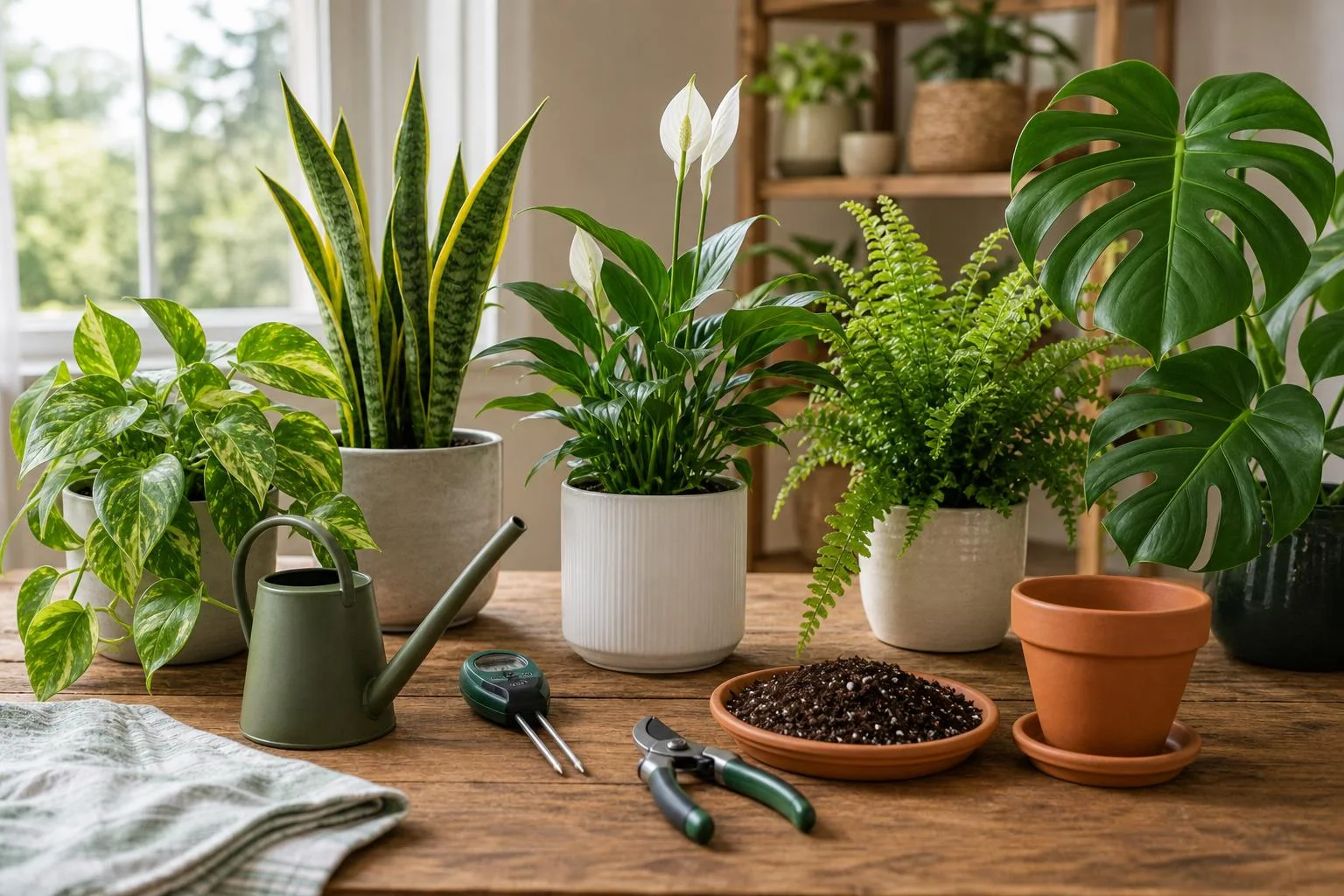
To take care of plants well, identify the plant, give it suitable light, water only when the root zone is ready, use a draining pot and appropriate soil, watch new growth, inspect for pests, and change one care variable at a time.
The safest way to use any plant-care guide is to start with the plant in front of you: its species, pot size, soil moisture, light level, drainage, root condition, pest pressure, season, and recent changes. Those details decide whether a symptom points to a simple routine adjustment or a deeper root, light, or pest problem.
Start by identifying the plant
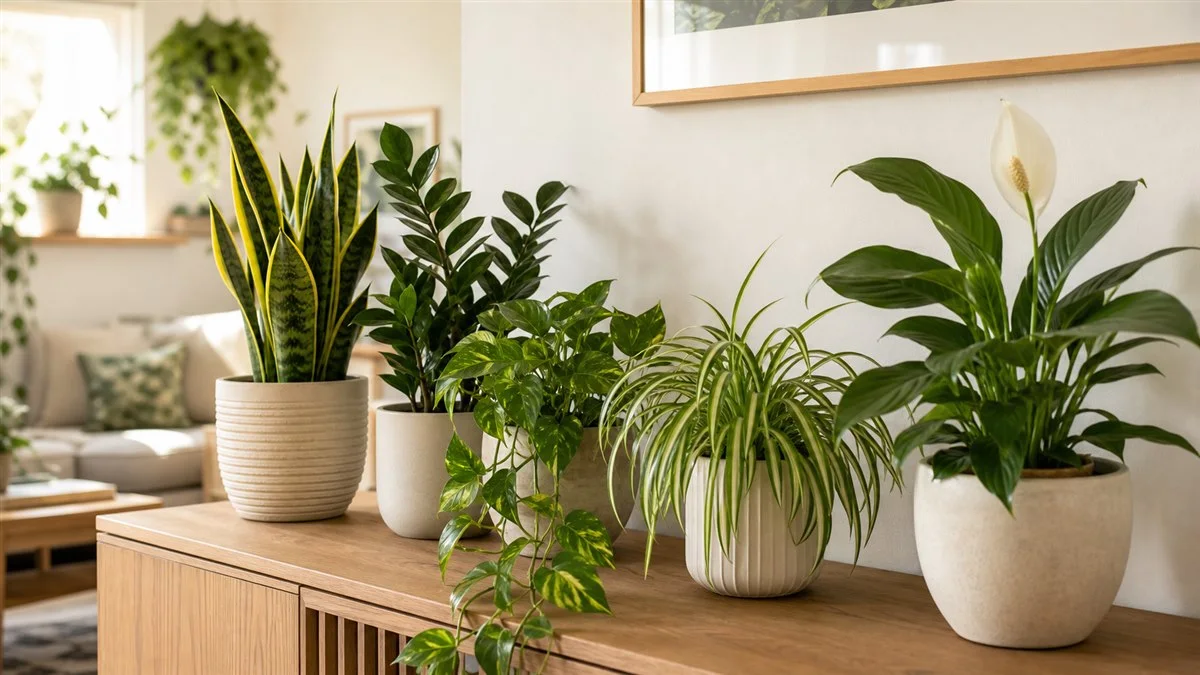
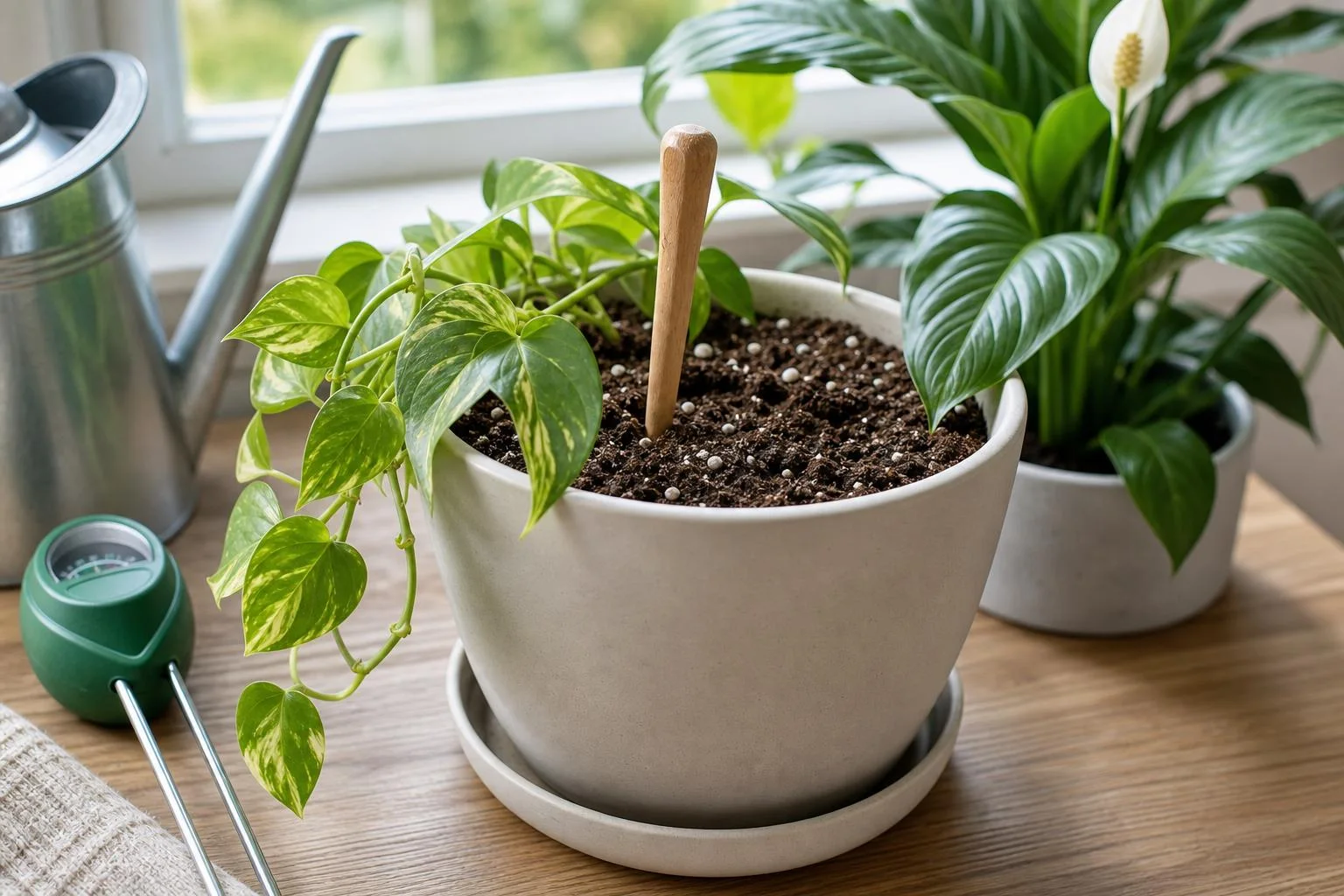
Plant care starts with identity because different plants use water, light, soil, and humidity differently. A snake plant, pothos, peace lily, fern, orchid, and cactus can all sit in the same room but need different drying times and different tolerance for direct sun. If you do not know the exact plant, compare leaf shape, growth habit, stem structure, and potting mix before following species-specific advice.
Once you know the plant, separate species needs from room conditions. A guide can tell you that a plant prefers bright indirect light, but your window direction, distance from the glass, curtains, season, and nearby buildings decide what that phrase means in practice.
Match light before adjusting water
Light is the engine of plant care. In brighter usable light, plants photosynthesize more, grow more, and usually drink faster. In dimmer light, the same pot may stay wet for much longer. This is why many watering problems are really light problems: the plant is not using water quickly enough, roots lose air, and leaves yellow or drop.
Use shadow quality as a home test. Crisp strong shadows usually mean direct or very strong light. Soft but visible shadows often suggest bright indirect light. Almost no shadow often means low light, even if the room feels bright to your eyes. Move plants gradually when changing light, especially if they have been in a dim spot.
Water by the root zone, not the calendar
Most beginners overwater because the top of the soil looks dry or a reminder says it is watering day. Instead, check deeper in the pot. For many common foliage plants, wait until the upper portion of the mix dries, then water thoroughly until excess drains away. For drought-tolerant plants such as snake plant, ZZ plant, jade, aloe, and many succulents, let the mix dry much more deeply. For ferns, calatheas, and some thin-leaved tropicals, aim for more even moisture without keeping the pot soggy.
Drainage matters as much as watering amount. A pot with no drainage, dense soil, a tight cover pot, or a saucer full of water can keep roots wet even when you water carefully. Empty standing water and learn the pot wet and dry weight so your hands recognize the change.
Use soil and pots that fit the plant
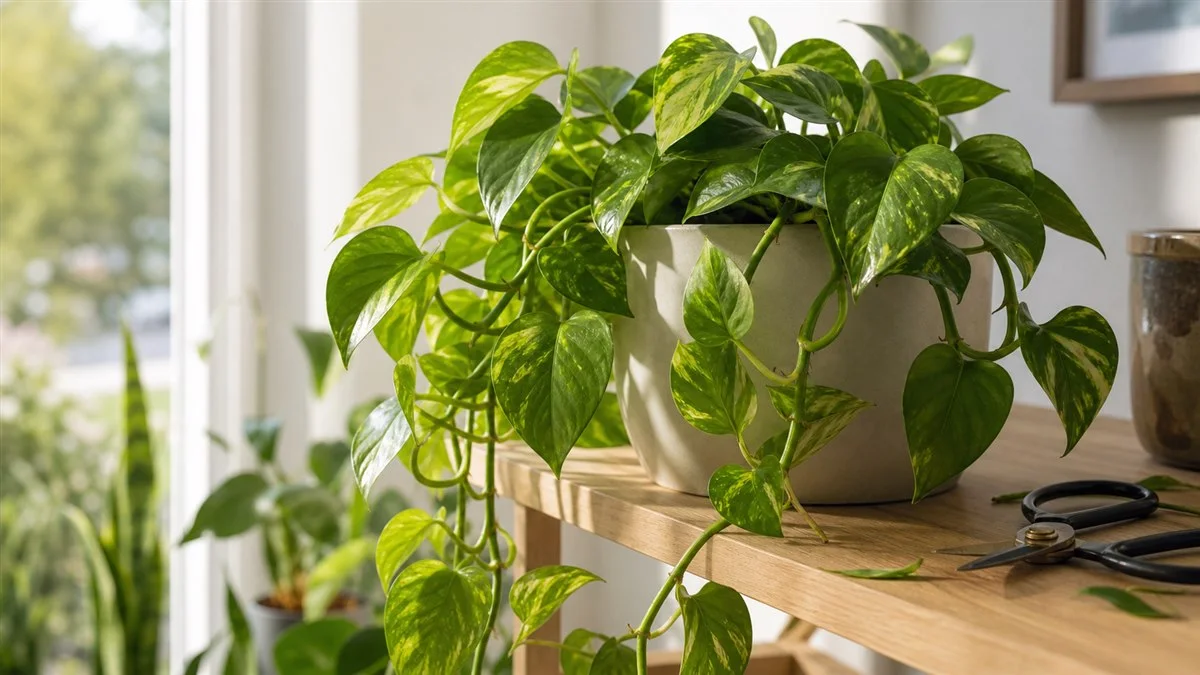
Good potting mix holds enough moisture for the plant while leaving air around the roots. Chunkier mixes help many aroids such as Monstera, pothos, and philodendron. Fast-draining mixes help succulents and cacti. Moisture-retentive but airy mixes help many ferns and tropical plants. A single bagged mix can work for some plants, but it may need amendments such as perlite, bark, pumice, or coco chips depending on the plant and pot.
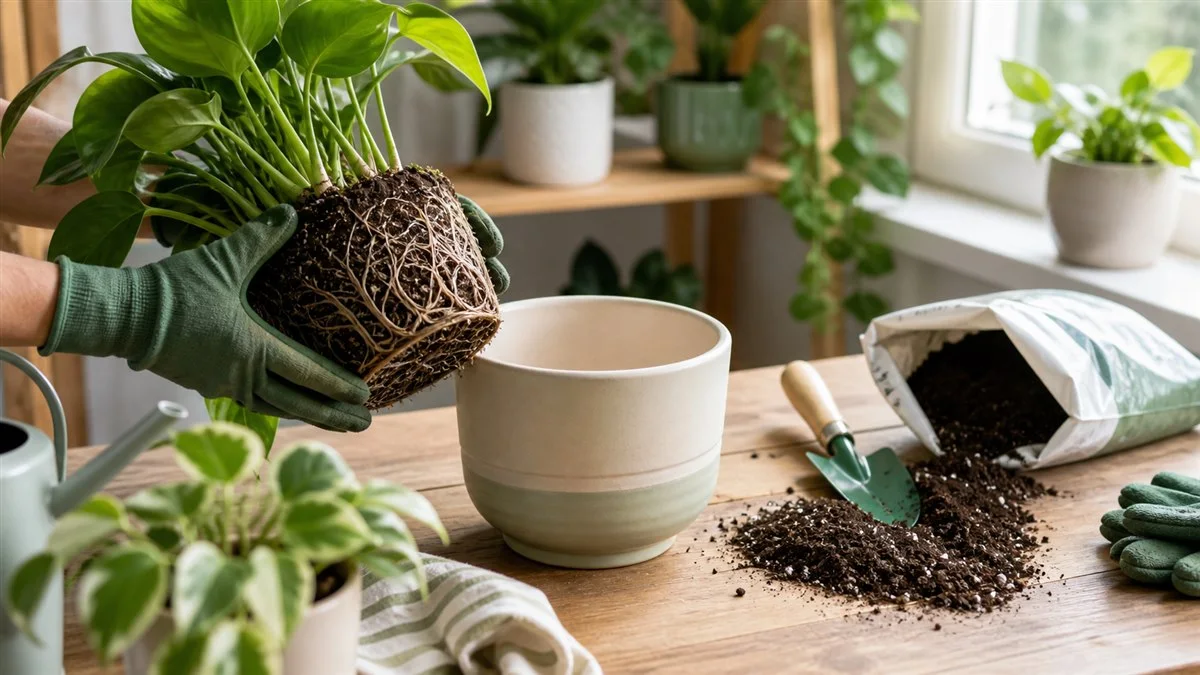
Pot size should follow the root system. A pot that is too large can stay wet around a small root ball. A pot that is too small may dry quickly, restrict roots, or tip over. When repotting, move up modestly and keep conditions stable afterward.
Read leaves without panicking
Old leaves age. A single lower yellow leaf on a healthy plant is often normal. Patterns matter more than one leaf. Yellowing while the pot is heavy points toward wet roots or low light. Crispy edges can point toward drought cycles, low humidity, mineral buildup, direct sun, or root damage. Drooping can mean thirst, but it can also happen when roots are too wet to function.
Judge recovery by new growth. Old damaged leaves rarely become perfect again. A plant is improving when new leaves are stronger, stems firm up, soil dries at a predictable pace, and decline stops.
Build a simple routine
- Check light placement and whether the plant is leaning, stretching, fading, or scorching.
- Check soil moisture below the surface before watering.
- Water thoroughly only when the plant is ready, then let excess drain.
- Inspect leaves, stems, and soil surface for pests once a week.
- Prune dead or badly damaged leaves with clean tools.
- Fertilize lightly only during active growth and only when roots are healthy.
- Repot when roots, soil condition, or drainage show a real need.
Seasonal changes
Plant care changes across the year. In spring and summer, longer days and warmer rooms can increase growth and water use. In fall and winter, lower light often slows growth and keeps soil wet longer. Do not keep watering the same amount if the plant is using water more slowly. Also watch heating vents, cold windows, dry air, and sudden drafts.
Seasonal adjustment does not mean rebuilding the entire routine. It means checking more carefully when light, temperature, or humidity changes.
What to check first
- Soil moisture below the surface, especially near the root zone.
- Light intensity, window direction, and whether the plant receives direct sun or only reflected daylight.
- Drainage holes, pot size, saucers, cover pots, and soil texture.
- Recent moves, repotting, fertilizer, pruning, heat, drafts, or watering changes.
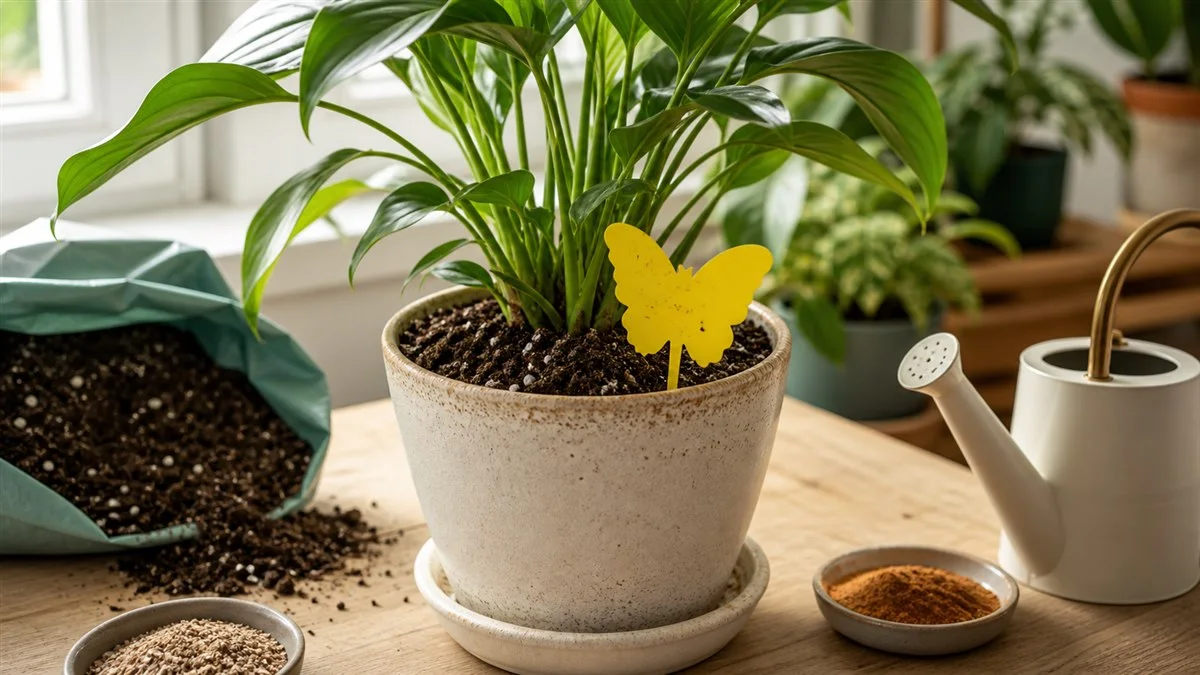
- Leaf undersides, stems, soil surface, and drainage holes for pests or root stress.
How to decide what to change
Choose the most likely issue and adjust that first. If soil is staying wet, improve drying time before adding fertilizer. If growth is stretched, improve light before pruning heavily. If pests are visible, isolate the plant and identify the pest before treating the whole collection.
What recovery looks like
Old damaged leaves rarely become perfect again. Judge recovery by new growth, firmer stems, healthier roots, steadier drying time, and whether the plant stops declining. Many indoor plants need several weeks to show a clear response after a care correction.
Common mistakes to avoid
- Repotting, fertilizing, moving, pruning, and treating pests all in the same week.
- Watering because a reminder fired instead of because the soil and plant indicate it is time.
- Assuming every yellow leaf, brown tip, or drooping stem has the same cause across all species.
- Using fertilizer or pest products without reading the label, testing carefully, and considering pets, children, and ventilation.
Safety and household notes
Verify plant identity before relying on toxicity guidance, because common names can overlap. Many common houseplants can irritate pets or children if chewed, and some pest treatments or soil amendments need gloves, ventilation, or careful storage. If exposure is urgent, contact a veterinarian, poison control service, or local professional.
The order matters more than the rule
Good plant care is not a list of chores you repeat the same way for every pot. It is a sequence of checks: identify the plant, understand the light, check moisture at root depth, confirm drainage, watch new growth, and only then decide whether to water, move, prune, repot, fertilize, or treat pests. That order prevents the most common beginner mistake: changing five things at once because one leaf looks wrong.
Think of each plant as a small system. Light controls how quickly it uses water. Pot size and soil texture control how much air reaches roots. Season changes growth speed. A plant in strong summer light can need a different routine from the same plant in a dim winter room, even when nothing about the species changed.
A simple weekly plant-care rhythm
- Look at the newest growth first. New leaves tell you more about current care than old scars.
- Check soil moisture below the surface before watering. The top can look dry while the root zone is still wet.
- Lift the pot to learn its dry and wet weight. Pot weight is often more reliable than a calendar.
- Rotate plants that lean strongly toward a window, but do not rotate stressed plants every day.
- Inspect leaf undersides, stems, and soil surface for pests before a small issue spreads.
- Remove dead leaves and debris so you can see fresh symptoms clearly.
Build confidence with repeatable checks
Beginner plant care improves when the routine is simple enough to repeat. Check light placement, soil moisture, pot weight, drainage, and new growth. Do not judge success by whether every old leaf stays perfect. Judge it by whether new growth is stronger, the plant stops declining, and your watering decisions become less random.
Once those checks feel normal, you can add more sensitive plants. Until then, forgiving plants give you room to learn without making every mistake expensive.
Plant care works best when you change one variable at a time. Check soil moisture, light, roots, pests, and recent care changes before buying products or repotting in a hurry.