How Often Should You Water Houseplants?
Learn how to water houseplants by soil moisture, pot size, light, season, and plant response instead of relying on a rigid weekly schedule.
Quick answer
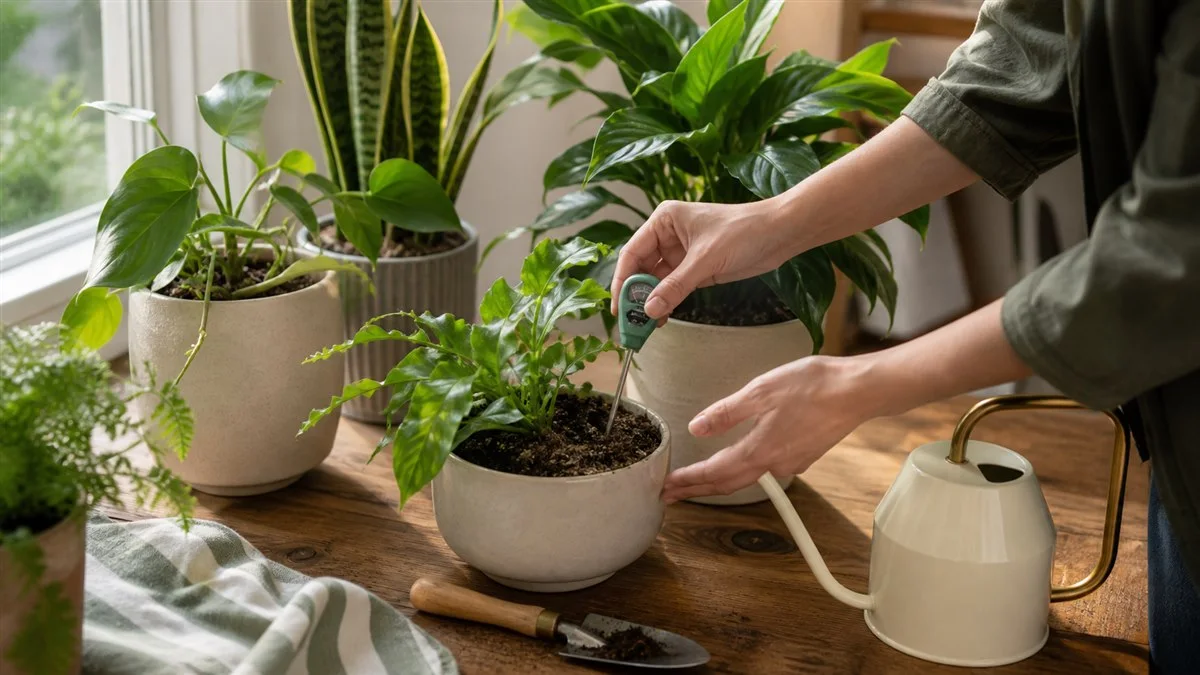
Most houseplants should be watered when their root zone has dried to the level that species prefers, not on a fixed weekly schedule. Light, season, pot size, soil texture, and root mass all change the timing.
The safest way to use any plant-care guide is to start with the plant in front of you: its species, pot size, soil moisture, light level, drainage, root condition, pest pressure, season, and recent changes. Those details decide whether a symptom points to a simple routine adjustment or a deeper root, light, or pest problem.
Why watering schedules fail
Houseplants do not use water on a fixed weekly schedule. They use water based on light, temperature, humidity, root mass, pot size, pot material, soil texture, and season. A plant in bright summer light may need water twice as often as the same plant in winter. A plant in a plastic pot may stay wet longer than one in terracotta. A recently repotted plant may have more soil than roots, which can make the pot dry slowly even when the surface looks dry.
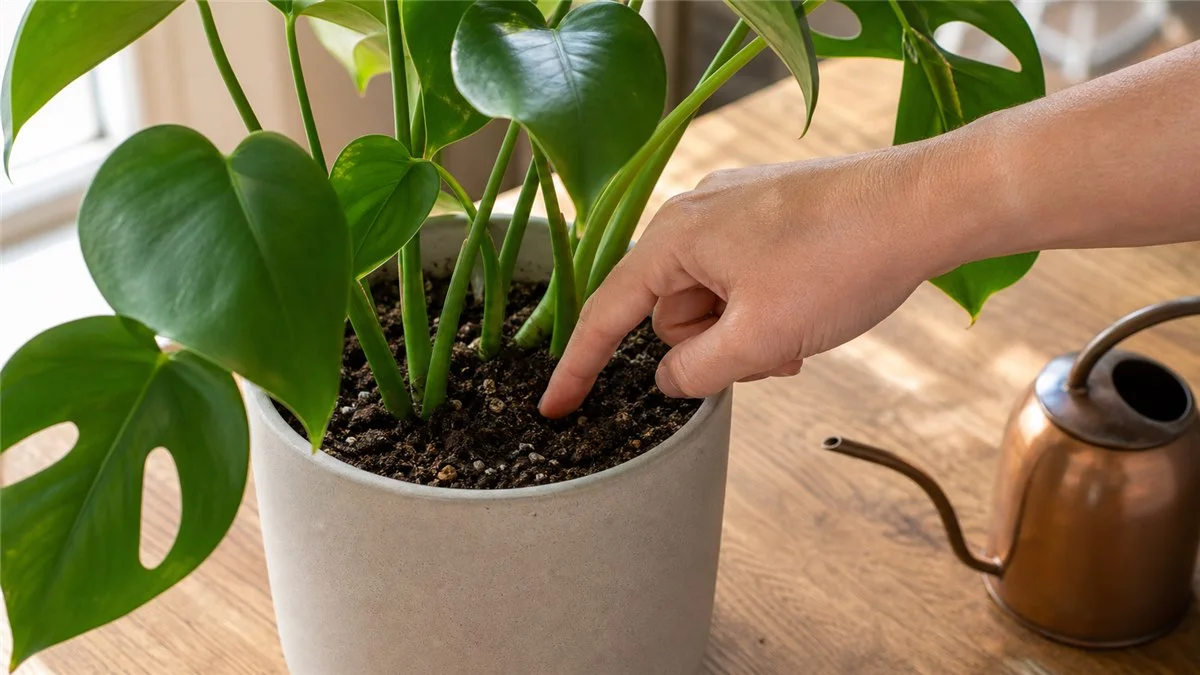
Use a calendar as a reminder to check, not as an instruction to water. Touch the mix below the surface, lift the pot to learn its dry weight, and watch how long the plant takes to use water after a thorough soak. Over time, those observations become more reliable than any universal interval.
How to water thoroughly
When the plant is ready, water until the root ball is evenly moistened and excess water can drain away. Empty saucers or cachepots so roots are not sitting in stagnant water. If the mix has become hydrophobic and water runs down the sides, bottom-water briefly or rehydrate slowly from the top until the root ball accepts moisture again.
Underwatering and overwatering can both cause drooping. The difference is usually in the soil and roots. A dry, light pot with crisping leaves points toward thirst. A heavy pot with limp leaves, yellowing, odor, or soft stems points toward root stress from staying wet too long.
What to check first
- Soil moisture below the surface, especially near the root zone.
- Light intensity, window direction, and whether the plant receives direct sun or only reflected daylight.
- Drainage holes, pot size, saucers, cover pots, and soil texture.
- Recent moves, repotting, fertilizer, pruning, heat, drafts, or watering changes.
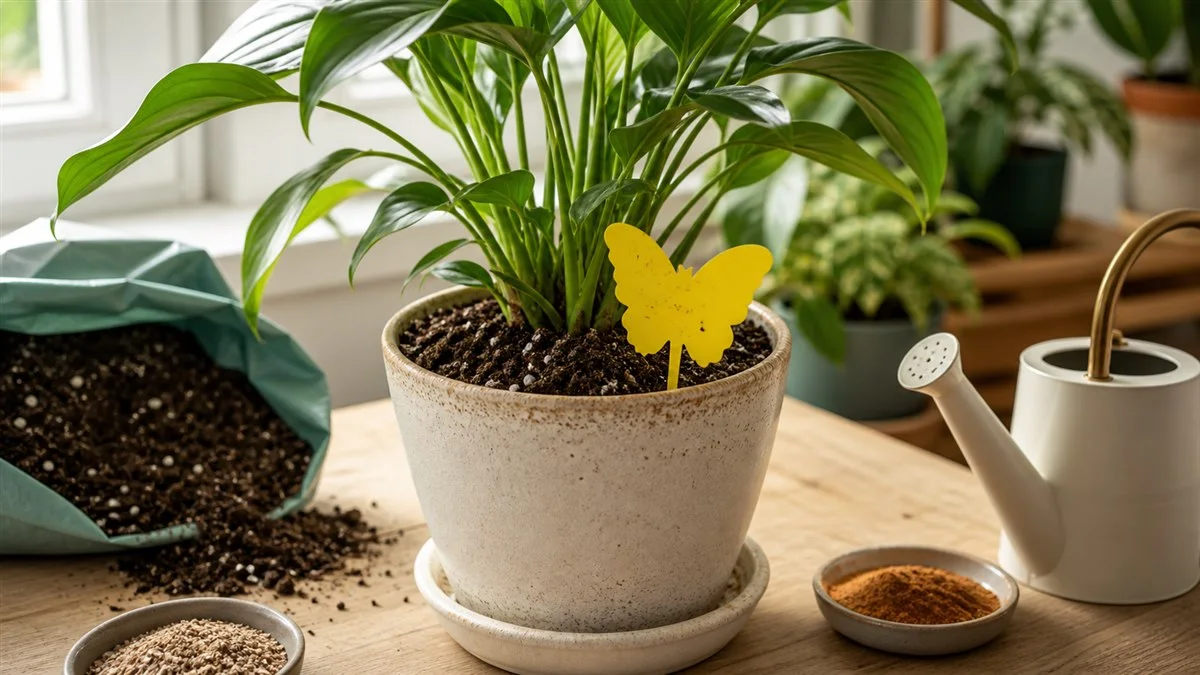
- Leaf undersides, stems, soil surface, and drainage holes for pests or root stress.
How to decide what to change
Choose the most likely issue and adjust that first. If soil is staying wet, improve drying time before adding fertilizer. If growth is stretched, improve light before pruning heavily. If pests are visible, isolate the plant and identify the pest before treating the whole collection.
What recovery looks like
Old damaged leaves rarely become perfect again. Judge recovery by new growth, firmer stems, healthier roots, steadier drying time, and whether the plant stops declining. Many indoor plants need several weeks to show a clear response after a care correction.
Common mistakes to avoid
- Repotting, fertilizing, moving, pruning, and treating pests all in the same week.
- Watering because a reminder fired instead of because the soil and plant indicate it is time.
- Assuming every yellow leaf, brown tip, or drooping stem has the same cause across all species.
- Using fertilizer or pest products without reading the label, testing carefully, and considering pets, children, and ventilation.
Safety and household notes
Verify plant identity before relying on toxicity guidance, because common names can overlap. Many common houseplants can irritate pets or children if chewed, and some pest treatments or soil amendments need gloves, ventilation, or careful storage. If exposure is urgent, contact a veterinarian, poison control service, or local professional.
Watering rhythm by plant type
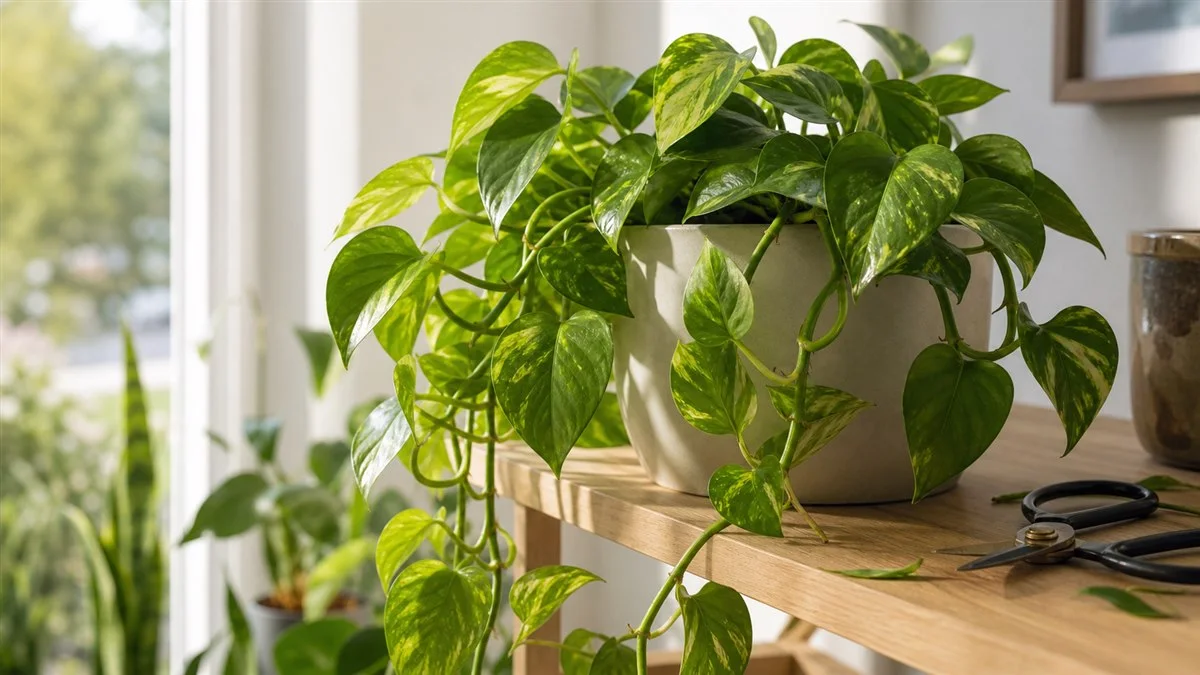
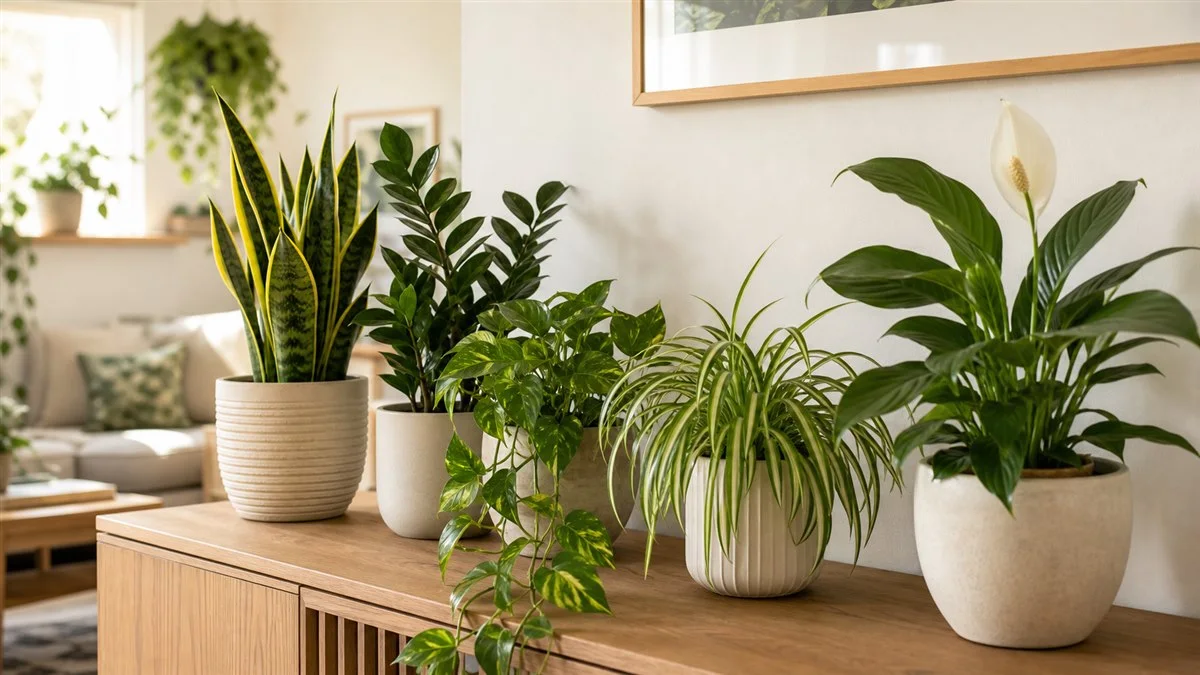
Different houseplants ask for different levels of dryness. Snake plants, ZZ plants, jade plants, aloe, hoya, and many succulents usually want the mix to dry thoroughly before another soak. Pothos, philodendron, Monstera, rubber plant, and many common foliage plants usually prefer a middle rhythm: let the upper portion dry, then water thoroughly. Ferns, calatheas, peace lilies, and some thin-leaved tropicals often prefer more even moisture, but even they should not sit in stagnant, airless soil.
The practical question is not "How many days?" It is "How quickly does this plant, in this pot, in this room, use water?" A warm bright room, active roots, terracotta, and chunky soil shorten the interval. Winter light, plastic pots, dense soil, cover pots, and a plant with fewer roots lengthen it.
Build a watering baseline
- After a thorough watering, lift the pot and remember the heavy weight.
- Check the top and root zone every few days until the plant reaches its preferred dryness.
- Write down the range for that room and season, then adjust when light or temperature changes.
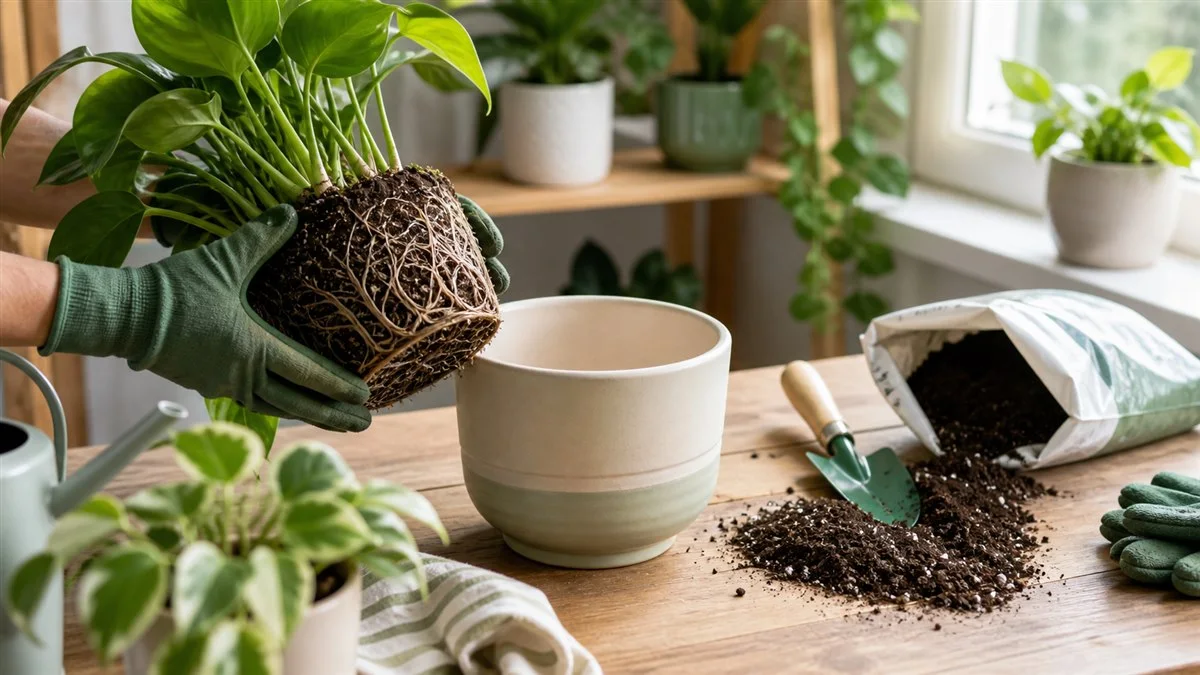
- If the plant droops while the pot is heavy, inspect roots before adding water.
Seasonal watering adjustments
Most homes need different watering rhythms across the year. Longer days, stronger light, warmer rooms, active growth, and open windows can make plants dry faster. Short winter days, cooler rooms, closed windows, and lower growth can make the same pot stay wet for several extra days. Treat seasonal change as a reason to inspect more carefully, not as a reason to follow a new fixed calendar.
If a plant starts yellowing in winter, ask whether it is receiving less light but the same amount of water. If it wilts during summer heat, check whether the pot is genuinely dry before watering again. Both seasons can create drooping, but the root-zone evidence tells you which direction to go.
Plant care works best when you change one variable at a time. Check soil moisture, light, roots, pests, and recent care changes before buying products or repotting in a hurry.