Pothos Care: Watering, Light, Pruning & Propagation
Learn pothos care indoors, including light, watering, soil, pruning long vines, propagation from node cuttings, variegated pothos, yellow leaves, drooping, and pet safety.
Quick Answer
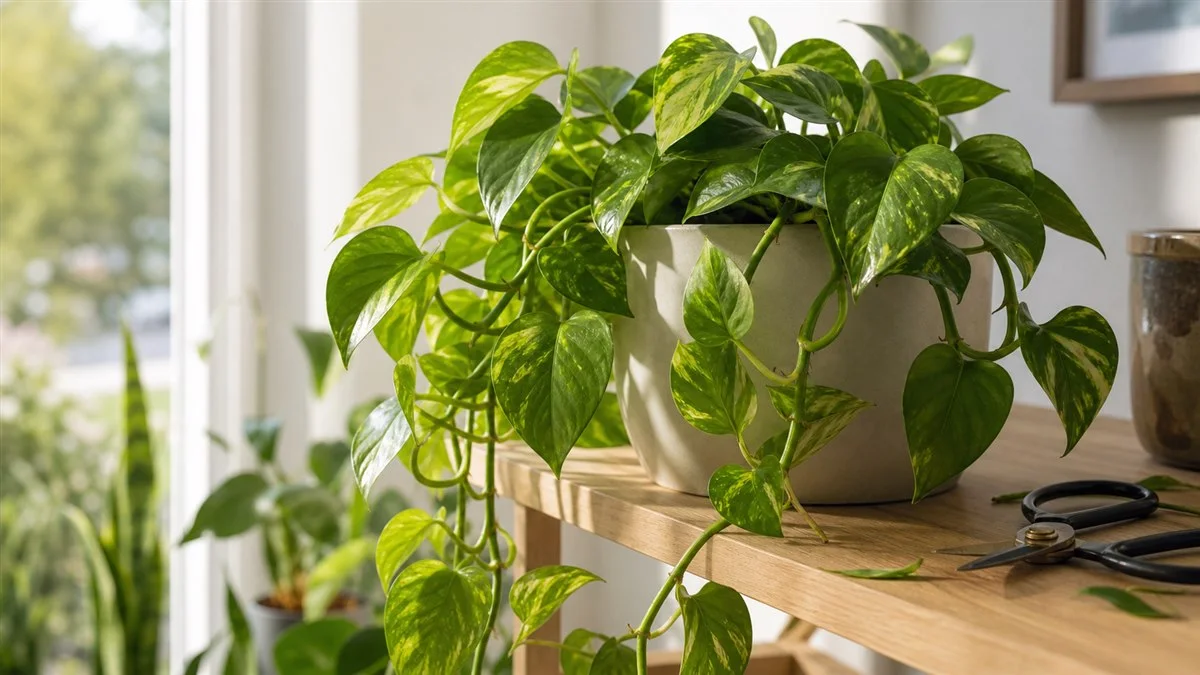
Pothos are resilient and low-maintenance houseplants that thrive in bright, indirect light but can tolerate lower light levels. Water them when the top inch of soil feels dry. Prune long vines and propagate using node cuttings for more plants. Ensure proper drainage and be cautious with variegated varieties to maintain their unique patterns.
Why Pothos Care Matters
Pothos, including golden and common varieties, are popular for their adaptability and lush appearance. Proper care ensures vibrant growth, prevents issues like yellowing leaves or drooping, and maintains their aesthetic appeal. Understanding their needs helps avoid common problems and ensures healthy plants.
Light Requirements
Pothos thrive in bright, indirect light. Place them near east or north-facing windows. They can tolerate lower light but may exhibit slower growth and less vibrant foliage. Avoid direct sunlight, which can scorch leaves. Adjust placement seasonally to ensure consistent light exposure.
Variegated Pothos Care
Variegated varieties, like Marble Queen, require more light to maintain their patterns. Insufficient light may cause reversion to solid green.
Watering Guide
Water pothos when the top inch of soil is dry. Insert your finger into the soil to test moisture levels. Overwatering can lead to root rot, while underwatering may cause wilting.
Soil and Drainage
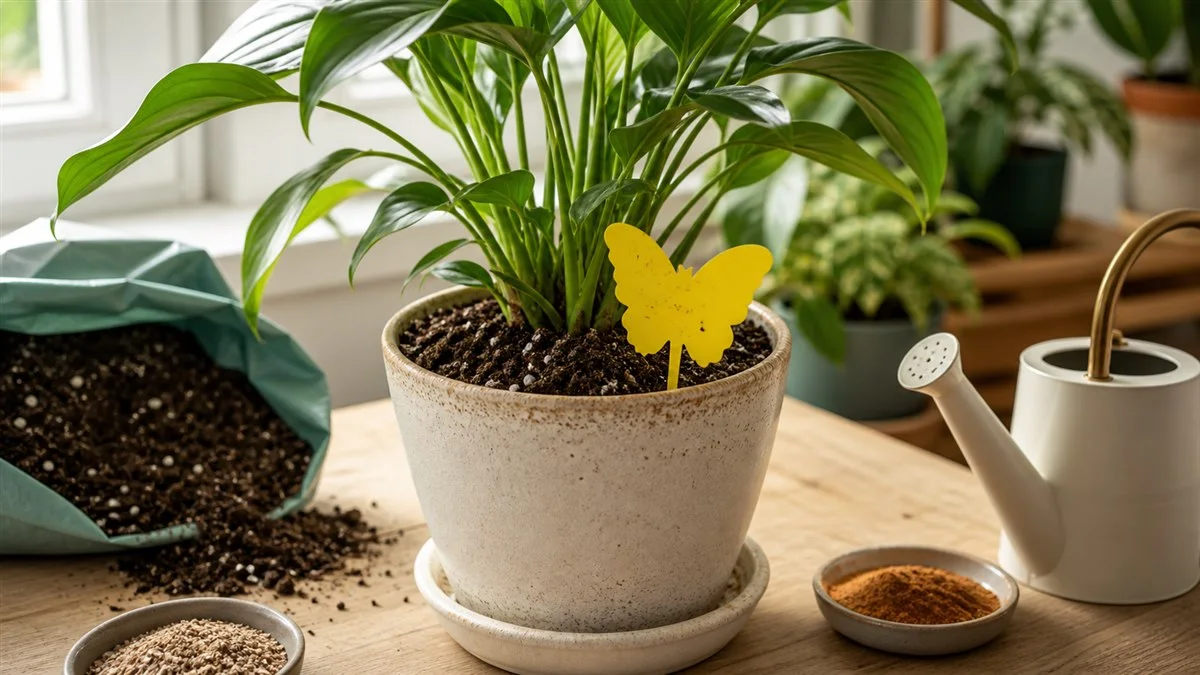
Use a well-draining potting mix. Ensure pots have drainage holes to prevent water accumulation. Consider adding perlite or coarse sand to enhance drainage.
Pruning Long Vines
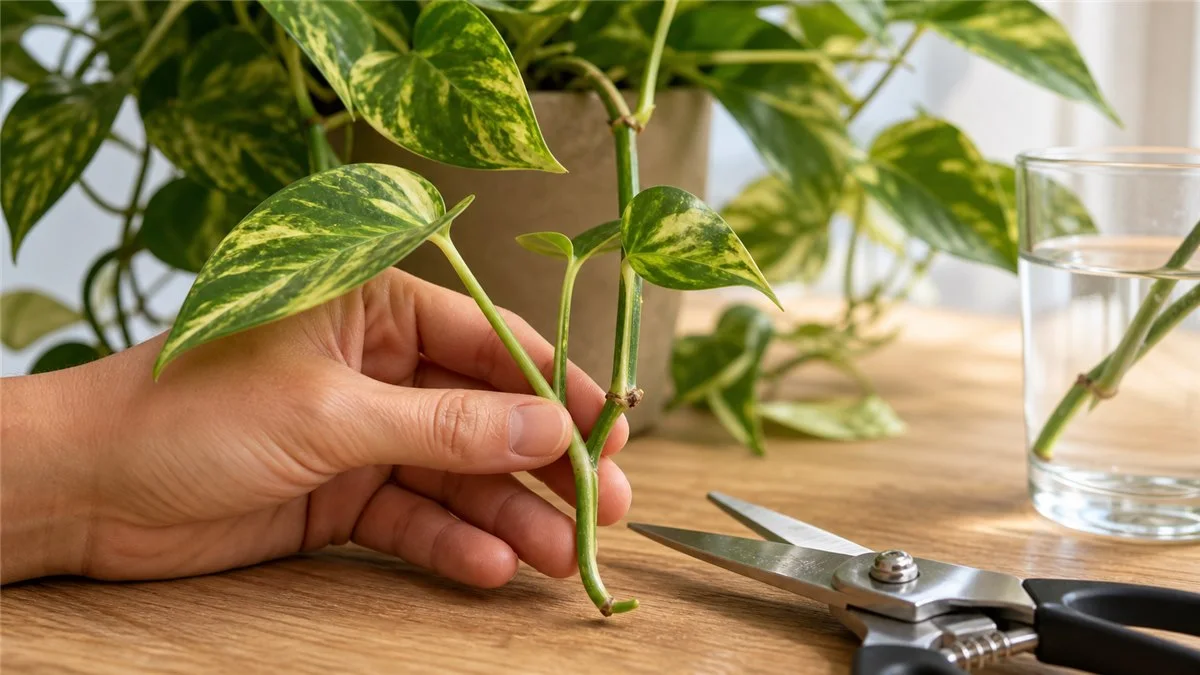
Prune pothos to encourage bushier growth and remove leggy sections. Use sharp, sterilized scissors to cut vines just above a leaf node. Regular pruning helps maintain shape and promotes new growth.
Propagation with Node Cuttings
To propagate, cut a vine section with a few nodes. Remove the lower leaves and place the cutting in water or soil. Keep the medium moist until roots develop. Transplant rooted cuttings into a pot with fresh soil.
Troubleshooting Common Issues
- Yellow Leaves: Often a sign of overwatering. Check soil moisture and adjust watering frequency.
- Drooping: Can indicate both over and underwatering. Assess root moisture levels and adjust care.
- Leggy Growth: Usually due to insufficient light. Move to a brighter location.
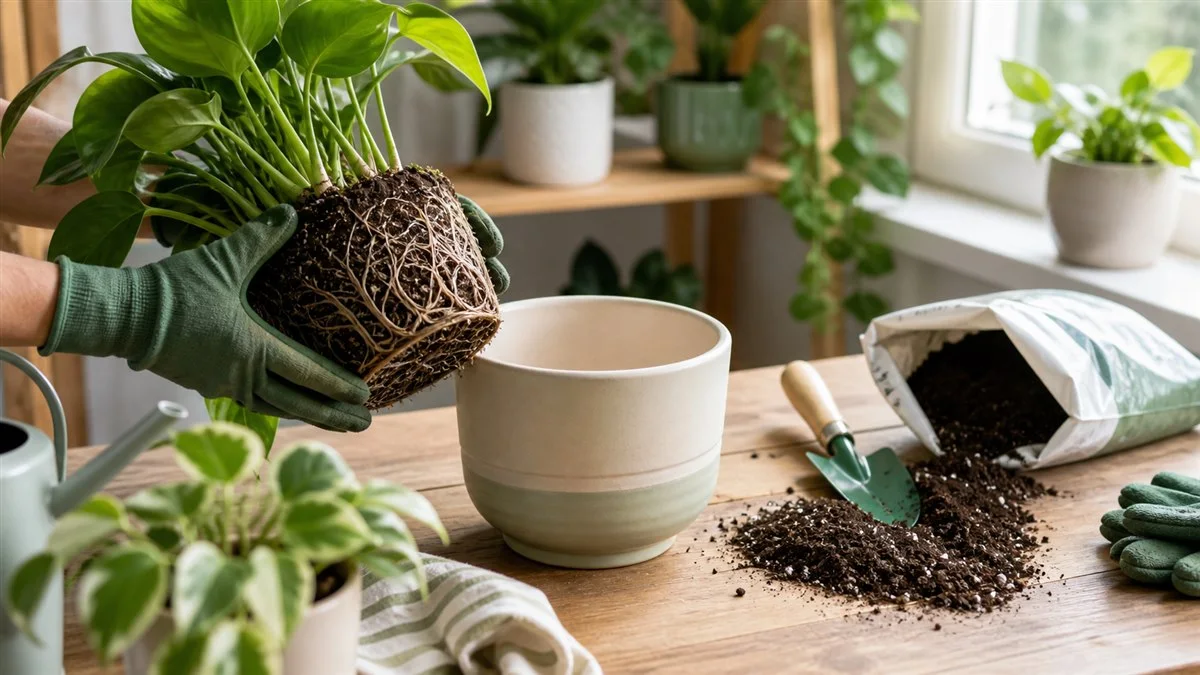
- Root Stress: Repot if roots are bound or soil is compacted.
Seasonal Adjustments
In winter, reduce watering frequency as growth slows. Ensure plants are not near cold drafts. In summer, increase humidity with occasional misting.
Preventing Common Mistakes
Avoid over-fertilizing, which can lead to salt buildup. Use a balanced houseplant fertilizer during the growing season, diluted to half strength. Regularly check for pests and treat promptly.
Safety Notes for Pets
Pothos contain calcium oxalates, which can cause mild irritation if ingested by pets. Place plants out of reach or consider alternatives if you have curious pets.
Recovery and Maintenance
Healthy pothos will have glossy leaves and vigorous growth. After addressing issues, expect recovery within a few weeks. Regular maintenance, such as cleaning leaves and checking for pests, ensures long-term health.
For more detailed guides, visit our Plant Care plant directory and explore our plant problem guides for specific issues.
Quick diagnosis before you change care
Plant-specific care starts with the species, but it still has to be adjusted for your home, your potting mix, your light, and the way the plant is responding.
- Check soil moisture below the dry-looking surface before watering or withholding water.
- Look at the newest growth separately from older damaged leaves, because old damage rarely repairs itself.
- Inspect leaf undersides, stems, soil surface, and drainage holes for pests, root stress, or sour-smelling soil.
- Ask what changed recently: a move, repotting, fertilizer, heat, drafts, brighter sun, lower winter light, or a new watering habit.
A simple care routine to try next
Choose the most likely issue and change only that variable first. If the soil is staying wet, improve drying time before adding fertilizer. If the plant is stretching, improve light before pruning heavily. If pests are visible, isolate the plant before treating the whole collection.
After a change, give the plant time to respond. For many houseplants, the clearest signal is not whether an old leaf improves, but whether new growth appears stronger, roots look healthier, and the plant stops declining.
Common mistakes to avoid
- Repotting, fertilizing, moving, pruning, and treating pests all in the same week.
- Watering because a reminder fired instead of because the soil and plant indicate it is time.
- Assuming every yellow leaf means the same thing across different species and seasons.
- Using pest or fertilizer products without reading the label, testing first, or considering pets and children.
Safety and household notes
Verify plant identity before relying on toxicity guidance. Many common houseplants can irritate pets or children if chewed, and some pest treatments or soil amendments need ventilation, gloves, or careful storage. If exposure is urgent, contact a veterinarian, poison control service, or local professional rather than waiting on a plant-care article.
Pothos light requirements
Pothos is famous for tolerating lower light, but tolerance is not the same as best growth. For fuller vines, larger leaves, and stronger variegation, place pothos in bright indirect light. A bright room near an east window, filtered south or west window, or unobstructed north window can work well when direct hot sun is limited.
In low light, pothos usually grows more slowly and may produce longer gaps between leaves. Variegated pothos can lose contrast if it does not receive enough usable light, while darker green golden pothos or jade pothos types often cope better with dimmer rooms.
How often to water pothos
Water pothos when the upper portion of the potting mix has dried, then water thoroughly until excess drains away. In many homes that means checking every several days to weekly during active growth, but the real interval depends on light, pot size, soil texture, root mass, temperature, and season.
A thirsty pothos may droop and feel light in the pot. A wet-stressed pothos may yellow, soften at the stems, or sit in heavy soil for too long. The fix is different, so check moisture below the surface before watering again.
Soil, drainage, and root health
Pothos does best in a light indoor mix that drains cleanly while holding enough moisture for steady growth. A standard houseplant mix with added perlite, bark, or another aeration ingredient is often enough. Dense mix in a pot without drainage can make an easy plant look difficult.
If yellow leaves appear while the pot is still wet, inspect drainage, root condition, and light. If the plant dries almost immediately after watering, it may be root-bound, in a very small pot, or growing in a mix that has become difficult to rewet.
What to do with long pothos vines
Long vines are not automatically a problem, but bare vines with small leaves usually mean the plant needs more usable light or pruning. Cut above a node with clean scissors to shorten vines and encourage branching. Healthy cuttings can be rooted and planted back into the pot to make the top look fuller.
A pothos on a high shelf should still be reachable. If you cannot check the soil, rotate the pot, inspect pests, or prune safely, the plant often becomes long and neglected instead of lush.
Pothos propagation from cuttings
Every pothos cutting needs a node. A leaf by itself may stay green for a while, but it cannot grow into a new vine without a node. Cut below a node, remove the lowest leaf if needed, and root the cutting in water or a light potting mix.
Once roots are established, plant cuttings into a small pot or tuck them back into the parent plant. Keep the mix lightly moist while new roots adjust, then return to normal pothos watering.
Yellow leaves, drooping, and leggy growth
One old yellow lower leaf can be normal. Several yellow leaves usually deserve a closer look at water, light, drainage, and roots. Drooping with dry soil points toward thirst; drooping with wet soil points toward root stress. Long gaps between leaves and weak new growth usually mean the plant needs brighter indirect light.
Do not solve every pothos issue with fertilizer. Fertilizer helps only when light, watering, and roots are already stable. Weak light plus fertilizer often produces softer, leggier growth rather than a stronger plant.
Variegated pothos care
Marble queen, manjula, pearls and jade, njoy, and other highly variegated pothos types generally need brighter indirect light than darker green types. The pale sections contain less chlorophyll, so the plant has less green tissue doing the work. If variegation fades, the plant stretches, or new leaves shrink, increase light gradually.
Avoid harsh direct sun after a plant has been living in lower light. Move it closer to brightness in steps so the leaves can acclimate without scorching.
When to wait before changing care again
Many houseplants respond slowly. After you move a plant, repot, correct watering, prune, or treat pests, give it enough time to show new evidence. Old leaves may remain scarred, yellow, or torn. Look for new growth, stable stems, healthier roots, and a more predictable drying rhythm. If the plant keeps declining after a reasonable adjustment period, inspect again rather than stacking more changes on top of the first one.
Plant care works best when you change one variable at a time. Check soil moisture, light, roots, pests, and recent care changes before buying products or repotting in a hurry.