
Fern care profile
Boston fern Care Guide
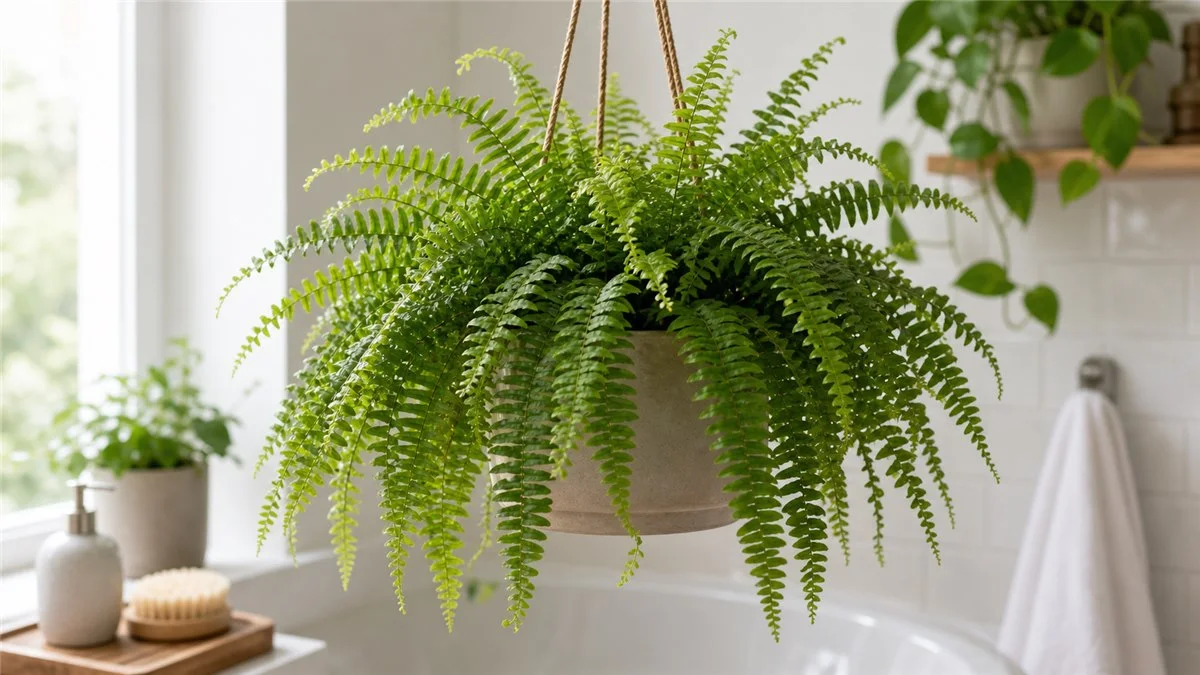
Boston ferns need bright filtered light, steady moisture, and humid air to keep full arching fronds indoors. Most problems come from letting the root ball dry hard, placing the fern in harsh sun, or keeping the crown soggy in a dense potting mix.
Quick Care Table
Light
Boston fern does best in bright indirect light with protection from hot direct sun. Use leaf posture, new growth, and drying speed as your practical feedback. If growth becomes stretched, pale, or smaller than expected, move the plant closer to a brighter window gradually instead of making a sudden full-sun jump.
Watering
Keep lightly and consistently moist, but never swampy. Always check the actual potting mix before watering. Pot size, root mass, light, season, temperature, and soil texture can change the interval by several days, so a fixed calendar should only be a reminder to inspect.
Soil and Potting
Use moisture-retentive fern mix with steady drainage. The right mix should hold enough moisture for the roots but still let excess water leave the pot quickly. If the plant stays wet for many days, improve drainage, increase light, or check whether the pot is too large for the root ball.
Temperature and Humidity
Keep the plant away from cold drafts, heat vents, and sudden placement changes. Stable conditions are especially important after repotting, pruning, shipping, or moving the plant to a new room.
Common Problems
Most boston fern problems come from a short list of stress points: moisture, light, root health, temperature swings, pests, or recent changes. Start by matching the visible symptom to the recent care history.
- Crispy leaflets from dry soil or dry air
- Shedding fronds after drought or relocation
- Pale growth or scorch in too much sun
- Root stress from soggy soil
- Sparse growth in dim rooms
Problem Guides For This Plant
Use these troubleshooting guides when the symptom matches what you are seeing. Check root moisture, light, and recent changes before adjusting several parts of care at once.
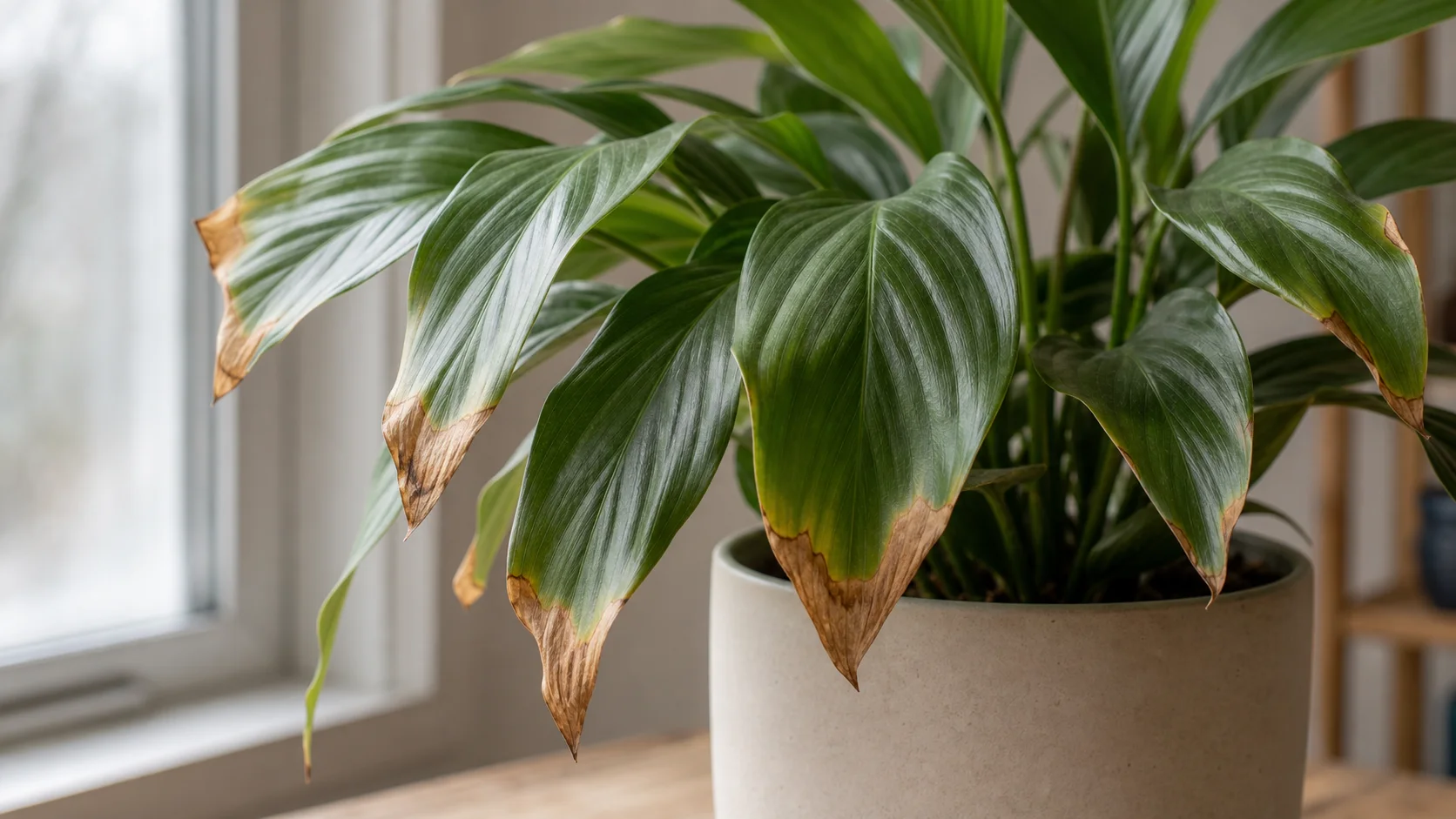 Brown TipsBrown tips usually point to dry air, inconsistent watering, mineral buildup, fertilizer burn, or stress around sensitive leaf edges. The goal is to stabilize care and protect new growth.
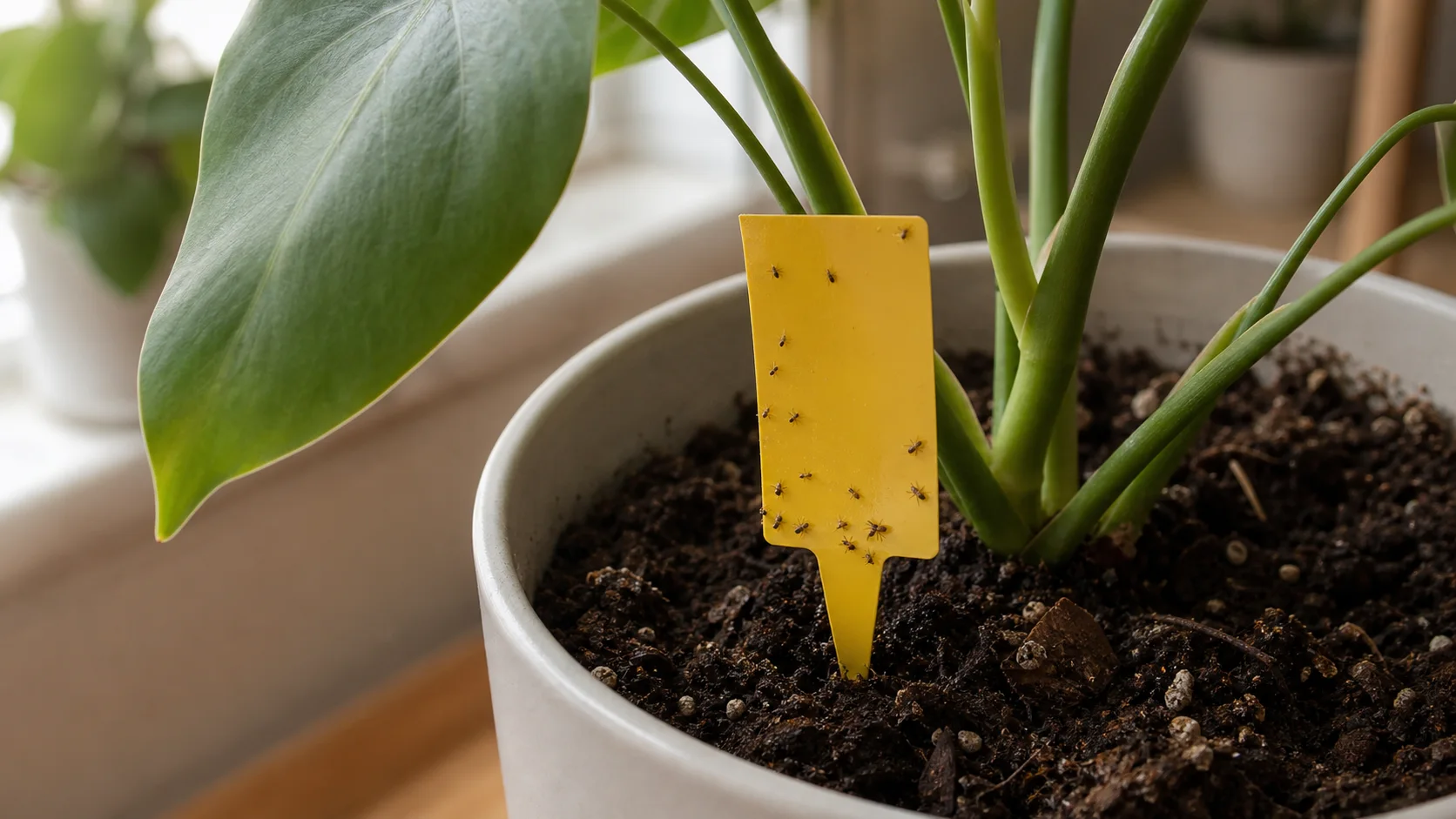 Fungus GnatsFungus gnats thrive in damp organic potting mix. Control works best when you combine drying the top layer, catching adults, and interrupting larvae in the soil.
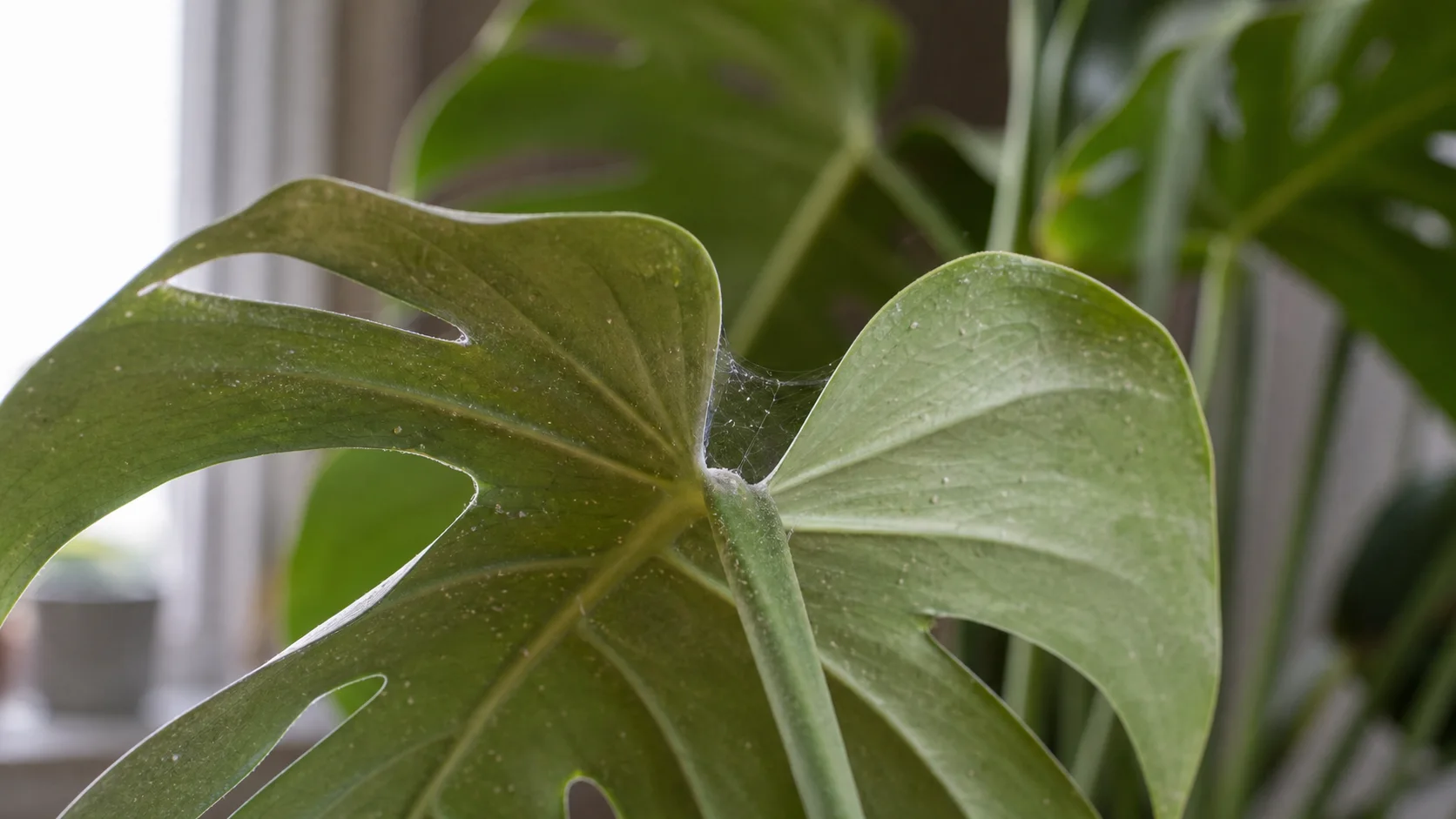 Spider MitesSpider mites are easier to control when caught early. Look for fine webbing, stippled leaves, dusty undersides, and decline on plants kept warm and dry.
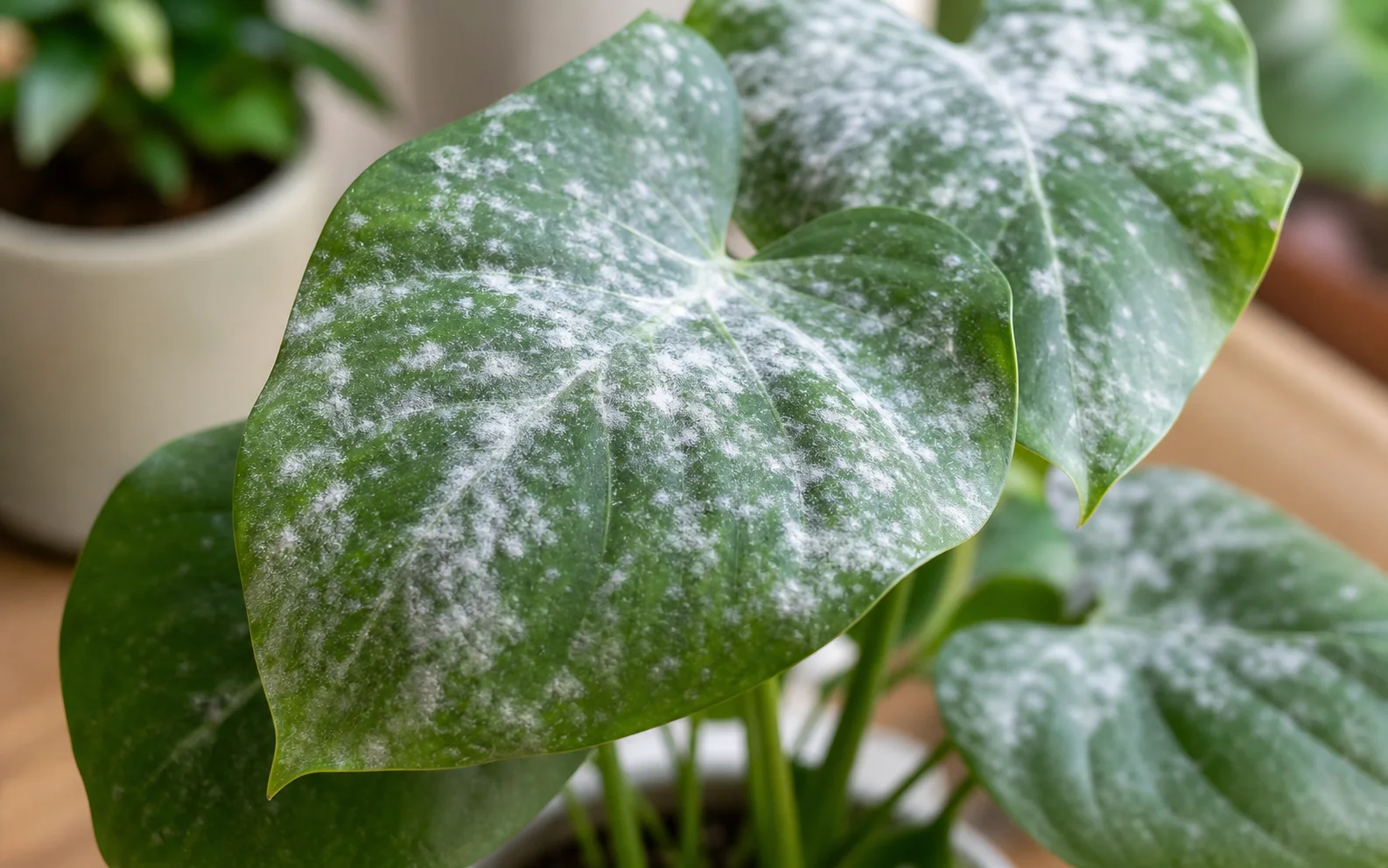 Powdery MildewPowdery mildew appears as white powdery patches on leaves and stems. It is more likely when airflow is poor, foliage stays crowded, and susceptible plants are kept in conditions that favor fungal growth.
Collections Featuring This Plant
Compare this plant with nearby choices before buying another pot or moving it to a different room. Collections are organized by light, humidity, routine, safety, and growth habit.
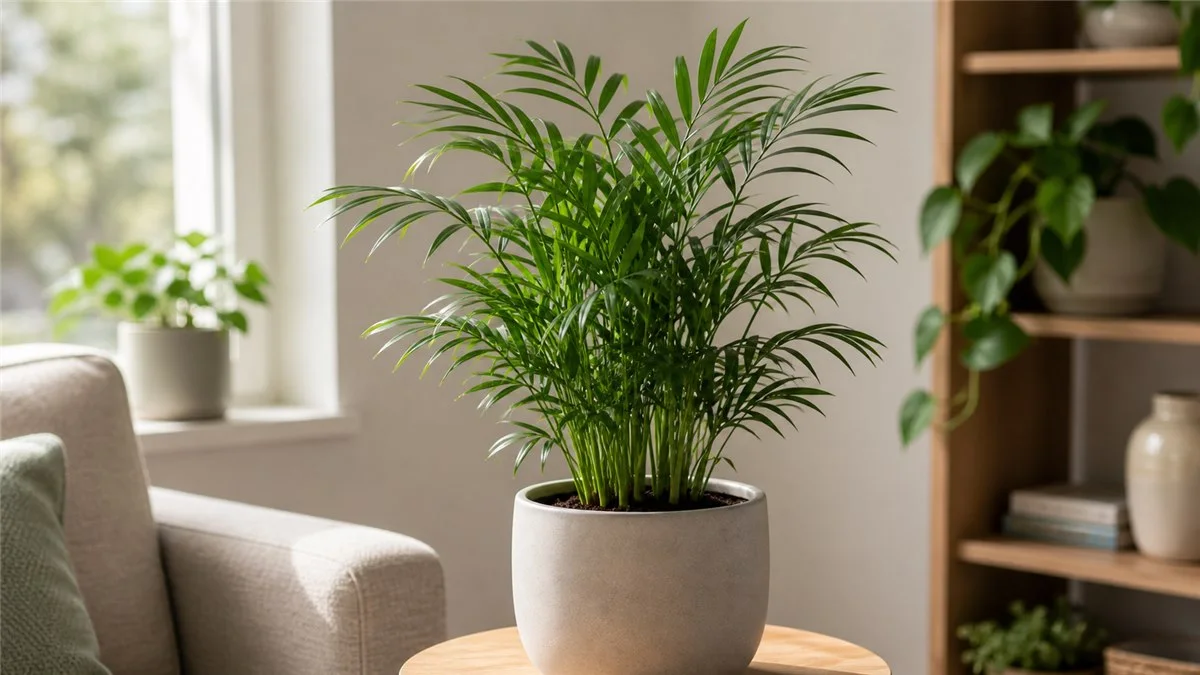 Pet-Safe HouseplantsThis collection focuses on houseplants commonly grown in pet households. Pet-safe does not mean chew-proof or risk-free, but these choices are better starting points than toxic foliage plants when animals investigate leaves.
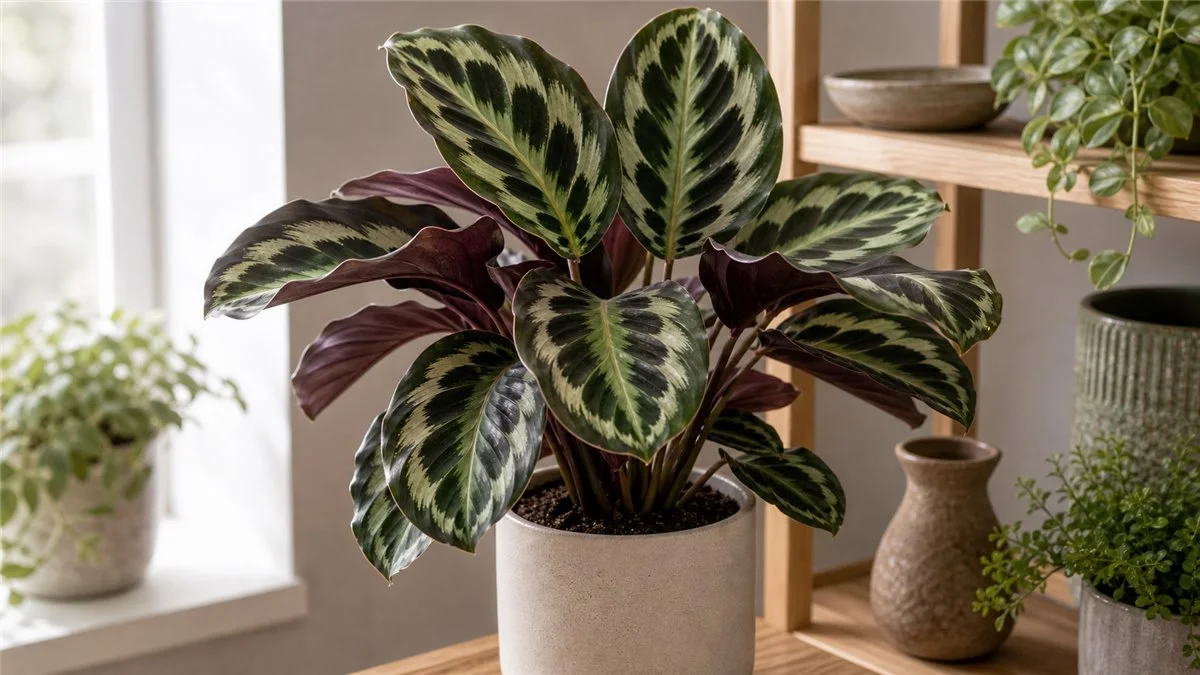 Plants That Like HumidityHumidity-loving plants can look dramatic and lush, but they often need more consistent care than drought-tolerant plants. Use this collection for bathrooms, kitchens, grouped plant shelves, and homes where dry air causes crispy edges.
Care Notes
- Check moisture before the whole root ball dries hard.
- Use bright filtered light instead of harsh afternoon sun.
- Raise humidity with a humid room, grouped plants, or a wide pebble tray.
- Prune dead fronds at the base to improve airflow and appearance.
Boston Fern Light Requirements
Boston ferns grow best in bright indirect light: enough brightness to read comfortably near the plant, but not hours of hot direct sun on the fronds. An east-facing window, a bright north window, or a south or west window filtered through a sheer curtain is usually safer than an exposed afternoon window.
If the fern becomes pale, scorched, or dry at the tips even though the soil is not drying quickly, the light may be too intense. If growth thins out, new fronds stay weak, or the plant constantly sheds without producing fresh growth, it may be too far from the window.
- Best placement: bright room, filtered window, or a humid bathroom with real daylight.
- Avoid: hot afternoon sun, cold window glass in winter, and dark corners with no growth response.
How to Water a Boston Fern Indoors
Boston ferns are less drought tolerant than pothos, snake plants, or many beginner foliage plants. Water when the surface begins to feel slightly dry but before the pot becomes bone dry all the way through. The goal is even moisture, not constant wetness.
Water thoroughly until excess drains from the bottom, then empty the saucer. Small daily splashes often wet only the top layer and leave dry pockets inside the root ball, while a pot sitting in water can cause root stress and yellowing fronds.
- Dry, crispy leaflets usually mean the fern dried too far or the air is very dry.
- Yellowing, limp, or sour-smelling soil points more toward overwatering or poor drainage.
Humidity and Crispy Fronds
Low indoor humidity is one of the main reasons Boston ferns look tired indoors. The leaflets are thin and lose moisture quickly in heated or air-conditioned rooms, so a fern can crisp even when the watering routine is close.
A humidifier, a naturally humid room, grouped plants, or a wide pebble tray can help. Misting gives only a brief surface wetting and should not be treated as the main humidity plan, especially if the room is very dry.
- Trim fronds that are fully brown; they will not turn green again.
- Keep partly green fronds if they are still feeding the plant.
Soil, Pot Size, and Repotting
A Boston fern wants a mix that holds moisture but still drains cleanly. A standard indoor potting mix can work if it is lightened with perlite, fine bark, or another drainage ingredient. Dense soil in an oversized pot stays wet too long around the roots.
Repot only when the plant is crowded, dries too quickly, or has roots circling heavily. Moving up one pot size is usually enough. After repotting, keep care stable and avoid fertilizing heavily until new growth confirms the fern has settled.
- Use a pot with drainage holes.
- Avoid burying the crown deeply under fresh mix.
Reviving a Dry Boston Fern
A dry Boston fern can often recover if the crown is still alive. Soak the root ball thoroughly, let it drain, trim fully dead fronds, and move the plant into bright filtered light with better humidity. Recovery comes from new fronds, not from crispy fronds turning green again.
Do not compensate with fertilizer right away. A stressed fern needs correct moisture and light first. Once fresh fronds appear, a diluted balanced fertilizer during active growth can support the rebound.
Before You Change Care
Check soil moisture, light exposure, pot drainage, recent moves, temperature swings, and pest signs before changing several variables at once. Most houseplants respond more clearly when you adjust one likely issue, then watch new growth.
Pet and Household Safety
Generally considered non-toxic to pets. Plant identity matters, because common names can overlap. If a pet or child chews the plant and symptoms appear, contact a veterinarian, poison control service, or local medical professional rather than waiting on a plant-care guide.