
Cane foliage care profile
Dumb cane Care Guide
Dieffenbachia offers lush variegated leaves and relatively simple care. Its sap is irritating, so placement matters in homes with pets or children.
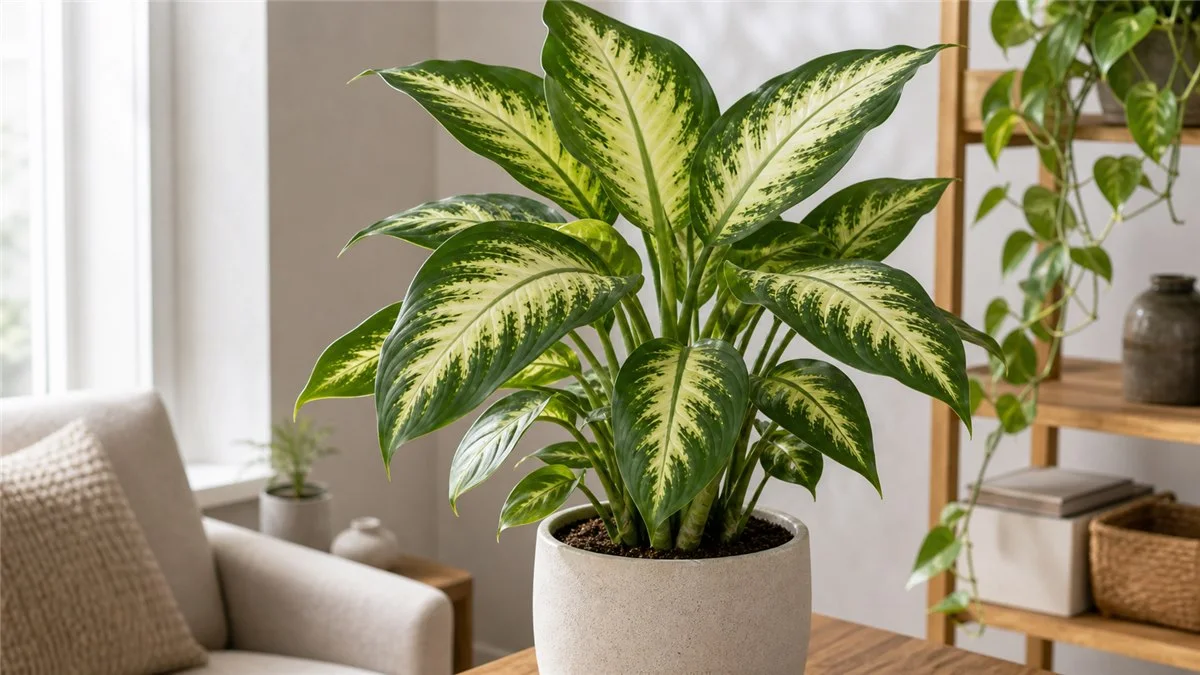
Quick Care Table
Light
Dumb cane does best in medium to bright indirect light. Use leaf posture, new growth, and drying speed as your practical feedback. If growth becomes stretched, pale, or smaller than expected, move the plant closer to a brighter window gradually instead of making a sudden full-sun jump.
Watering
Water when the top 1 to 2 inches dry. Always check the actual potting mix before watering. Pot size, root mass, light, season, temperature, and soil texture can change the interval by several days, so a fixed calendar should only be a reminder to inspect.
Soil and Potting
Use draining indoor mix. The right mix should hold enough moisture for the roots but still let excess water leave the pot quickly. If the plant stays wet for many days, improve drainage, increase light, or check whether the pot is too large for the root ball.
Temperature and Humidity
Keep the plant away from cold drafts, heat vents, and sudden placement changes. Stable conditions are especially important after repotting, pruning, shipping, or moving the plant to a new room.
Common Problems
Most dumb cane problems come from a short list of stress points: moisture, light, root health, temperature swings, pests, or recent changes. Start by matching the visible symptom to the recent care history.
- Yellow lower leaves
- Leggy cane growth
- Brown edges from dryness
- Stem rot in wet soil
Problem Guides For This Plant
Use these troubleshooting guides when the symptom matches what you are seeing. Check root moisture, light, and recent changes before adjusting several parts of care at once.
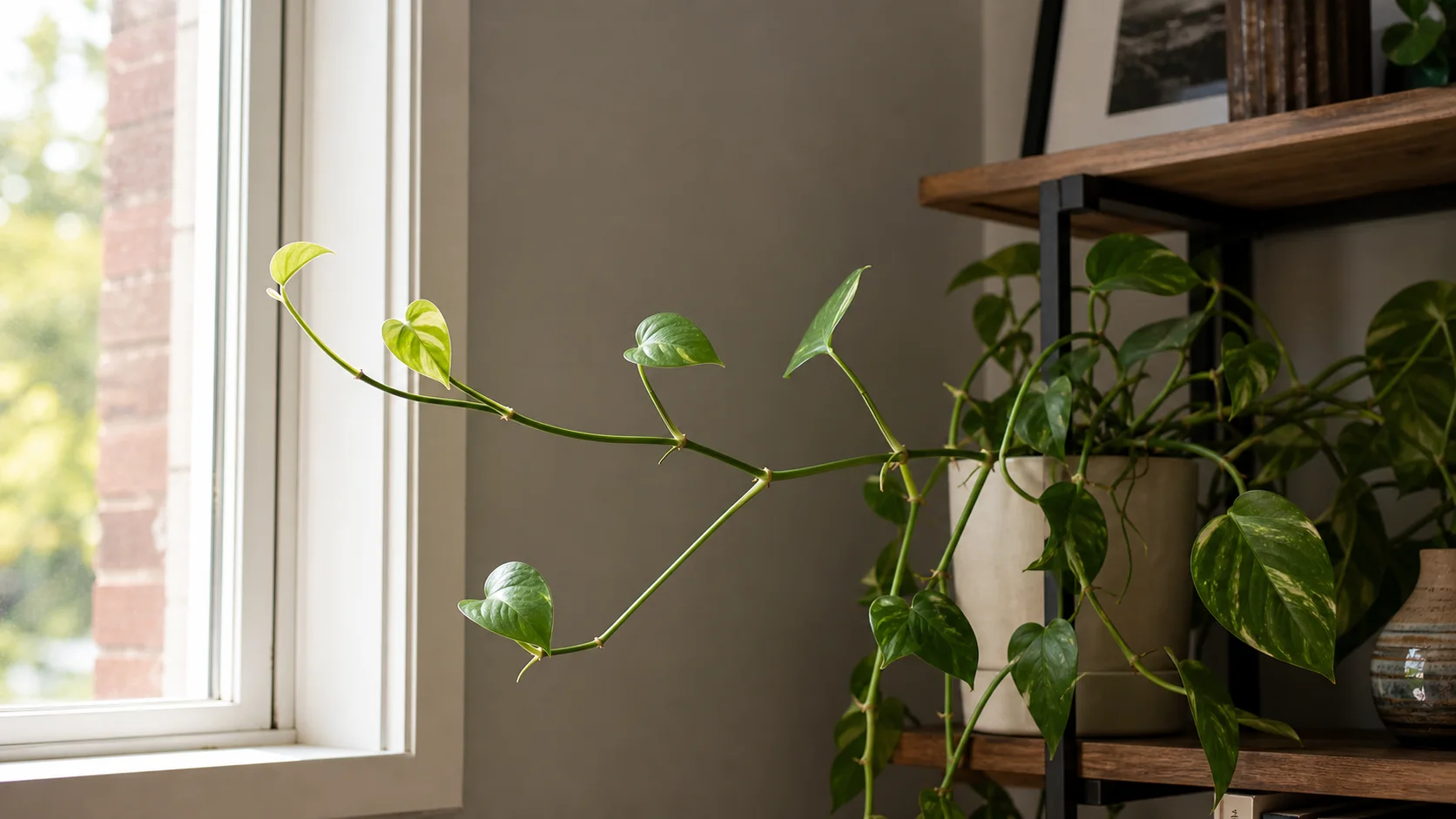 Leggy GrowthLeggy growth usually means the plant is reaching for more usable light. Better placement, rotation, pruning, and patient regrowth can make the plant fuller again.
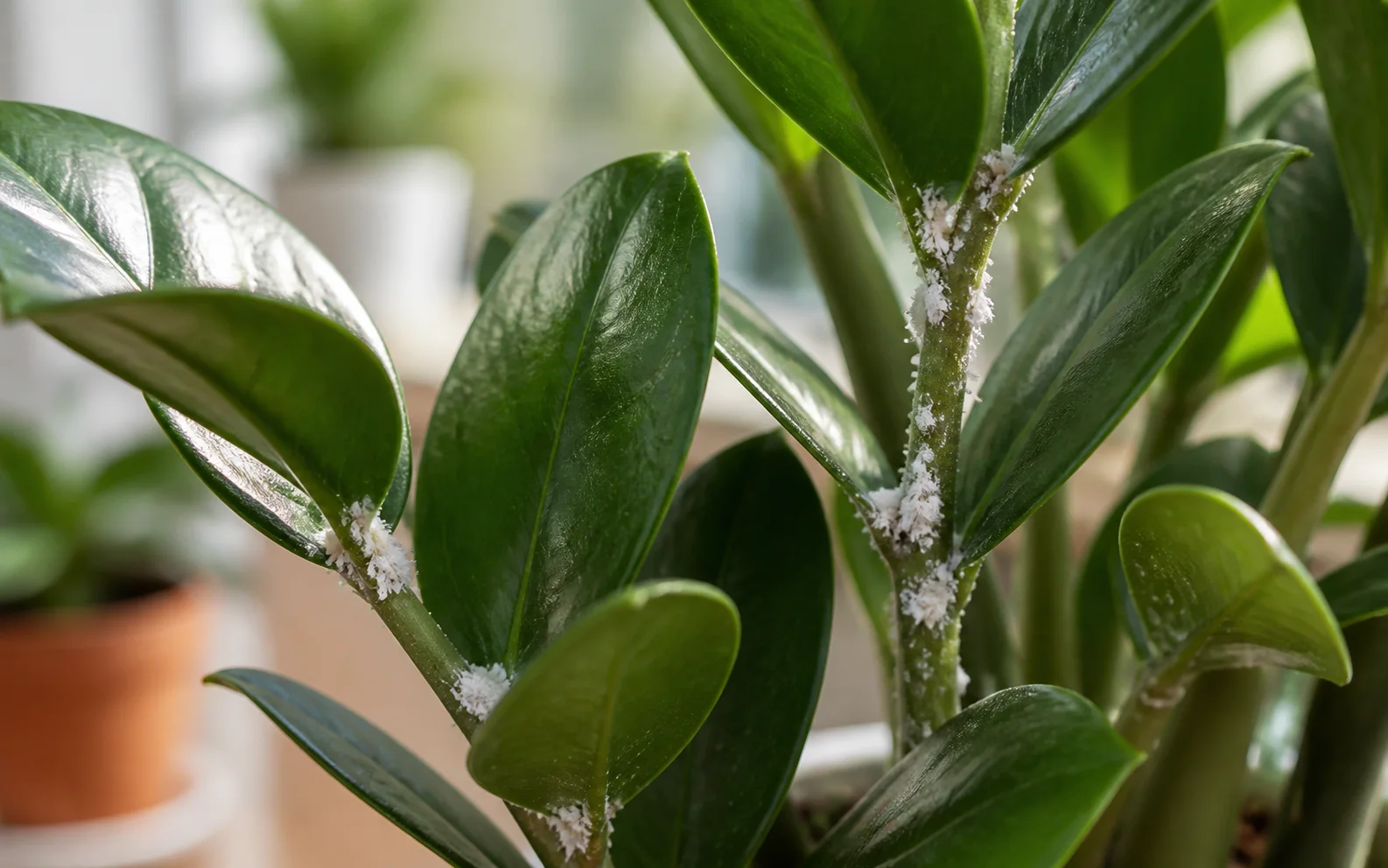 MealybugsMealybugs look like small white cottony clusters in leaf joints, on stems, and around new growth. Control starts with isolation, close inspection, manual removal, and repeated follow-up checks.
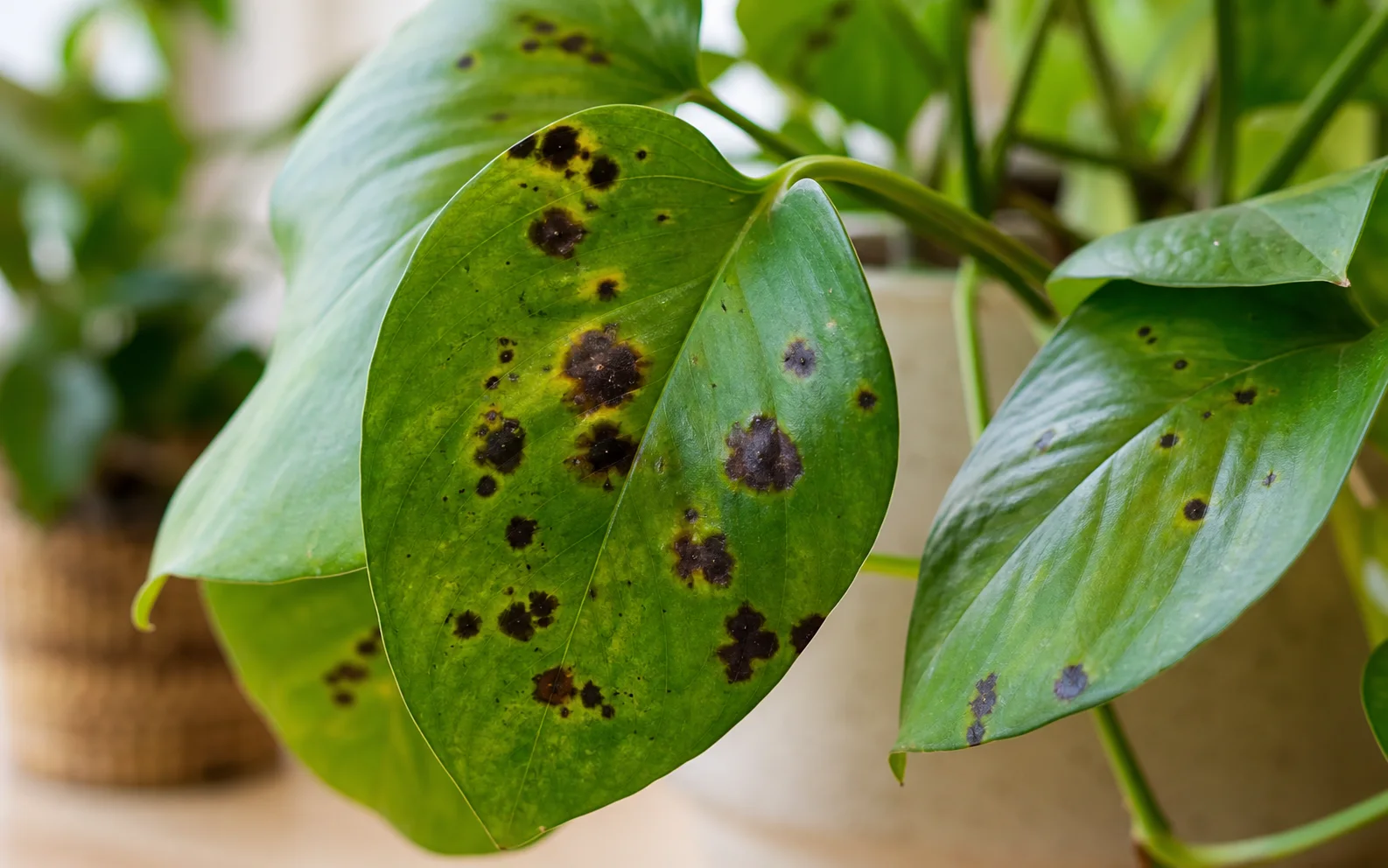 Black Spots on LeavesBlack or dark brown leaf spots can come from leaf damage, fungal or bacterial issues, cold injury, overwatering stress, or sun scorch. Check the pattern before removing leaves or treating the plant.
Care Notes
- Wear gloves when pruning.
- Give bright filtered light for stronger variegation.
- Keep away from curious pets.
Before You Change Care
Check soil moisture, light exposure, pot drainage, recent moves, temperature swings, and pest signs before changing several variables at once. Most houseplants respond more clearly when you adjust one likely issue, then watch new growth.
Pet and Household Safety
Toxic and irritating if chewed. Plant identity matters, because common names can overlap. If a pet or child chews the plant and symptoms appear, contact a veterinarian, poison control service, or local medical professional rather than waiting on a plant-care guide.