
Orchid care profile
Moth orchid Care Guide
Phalaenopsis orchids are easier when treated as epiphytes, not soil plants. Clear pots, bark mix, and root color help guide watering.
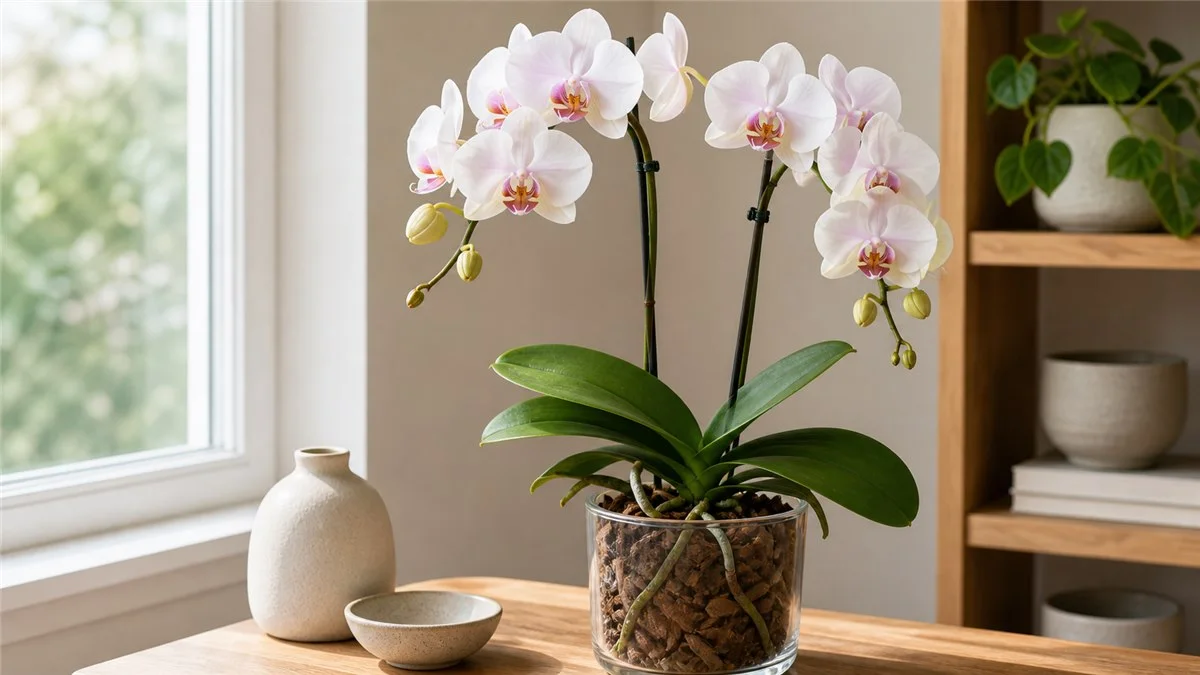
Quick Care Table
Light
Moth orchid does best in bright indirect light. Use leaf posture, new growth, and drying speed as your practical feedback. If growth becomes stretched, pale, or smaller than expected, move the plant closer to a brighter window gradually instead of making a sudden full-sun jump.
Watering
Water bark thoroughly, then let it approach dry. Always check the actual potting mix before watering. Pot size, root mass, light, season, temperature, and soil texture can change the interval by several days, so a fixed calendar should only be a reminder to inspect.
Soil and Potting
Use orchid bark, not standard potting soil. The right mix should hold enough moisture for the roots but still let excess water leave the pot quickly. If the plant stays wet for many days, improve drainage, increase light, or check whether the pot is too large for the root ball.
Temperature and Humidity
Keep the plant away from cold drafts, heat vents, and sudden placement changes. Stable conditions are especially important after repotting, pruning, shipping, or moving the plant to a new room.
Common Problems
Most moth orchid problems come from a short list of stress points: moisture, light, root health, temperature swings, pests, or recent changes. Start by matching the visible symptom to the recent care history.
- Root rot from soggy media
- Wrinkled leaves from root loss or thirst
- No rebloom in low light
- Bud blast from stress
Problem Guides For This Plant
Use these troubleshooting guides when the symptom matches what you are seeing. Check root moisture, light, and recent changes before adjusting several parts of care at once.
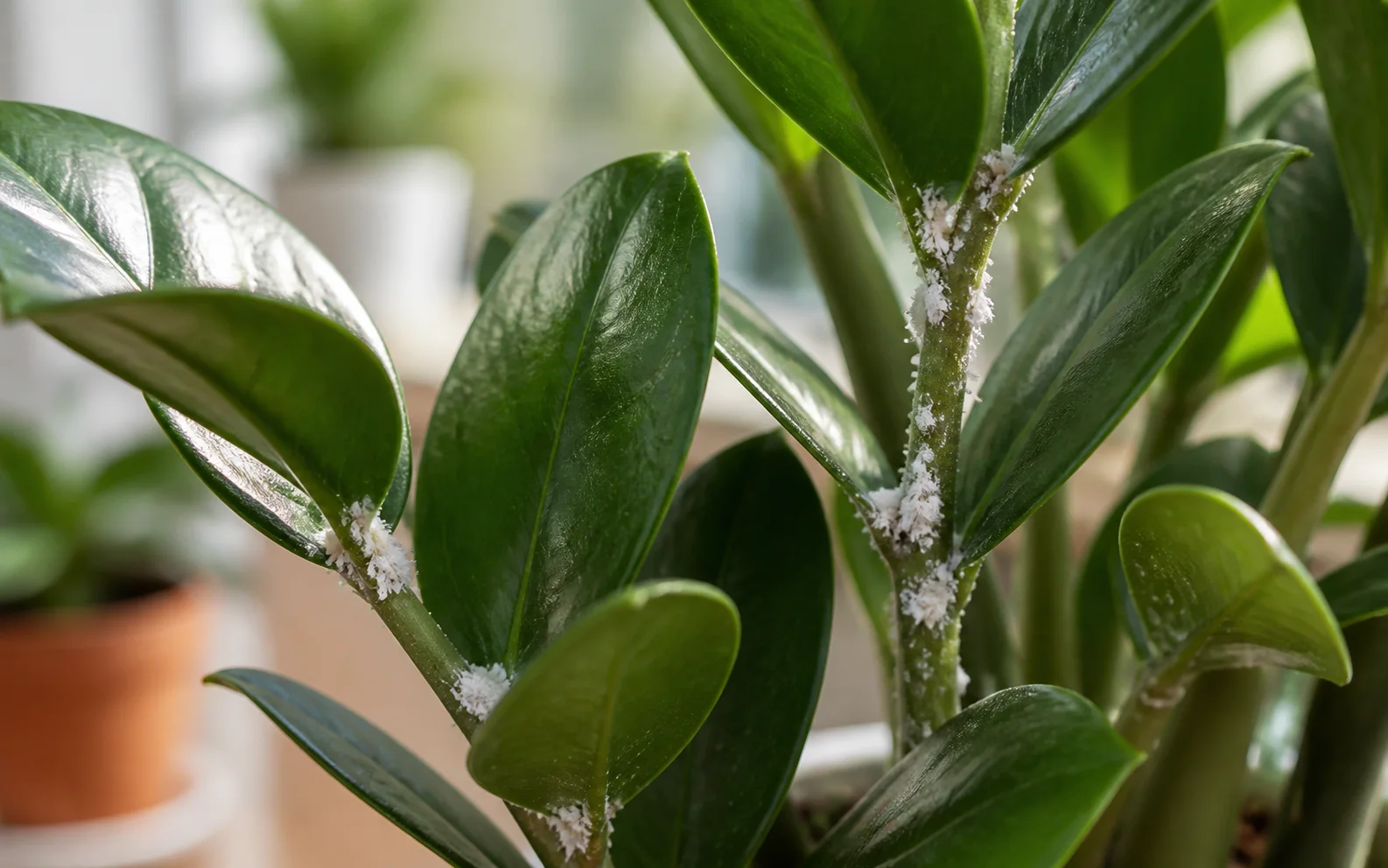 MealybugsMealybugs look like small white cottony clusters in leaf joints, on stems, and around new growth. Control starts with isolation, close inspection, manual removal, and repeated follow-up checks.
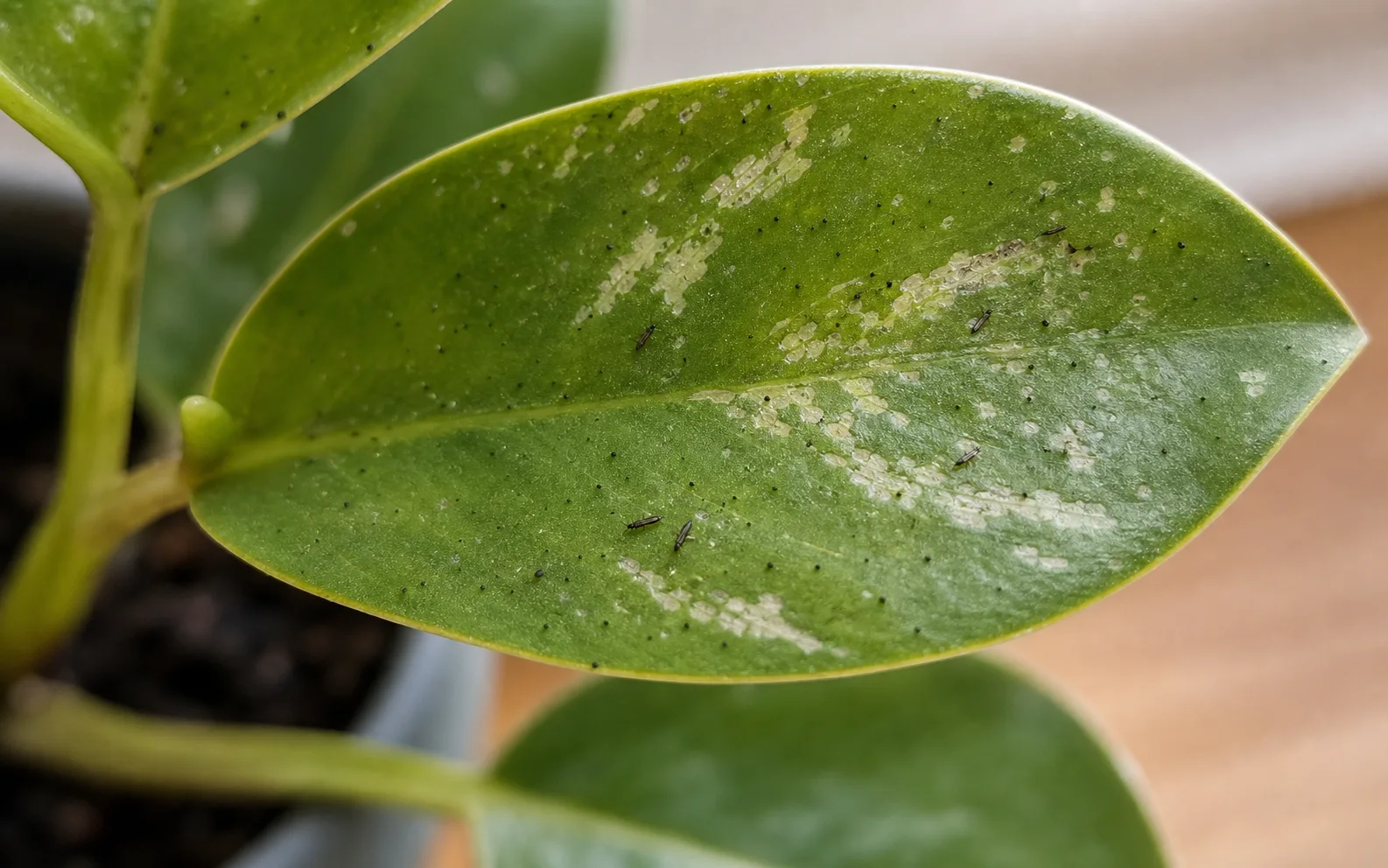 ThripsThrips can leave silvery scraped patches, black specks, distorted new leaves, and slow decline. Early detection matters because they hide in tight new growth and can spread between nearby plants.
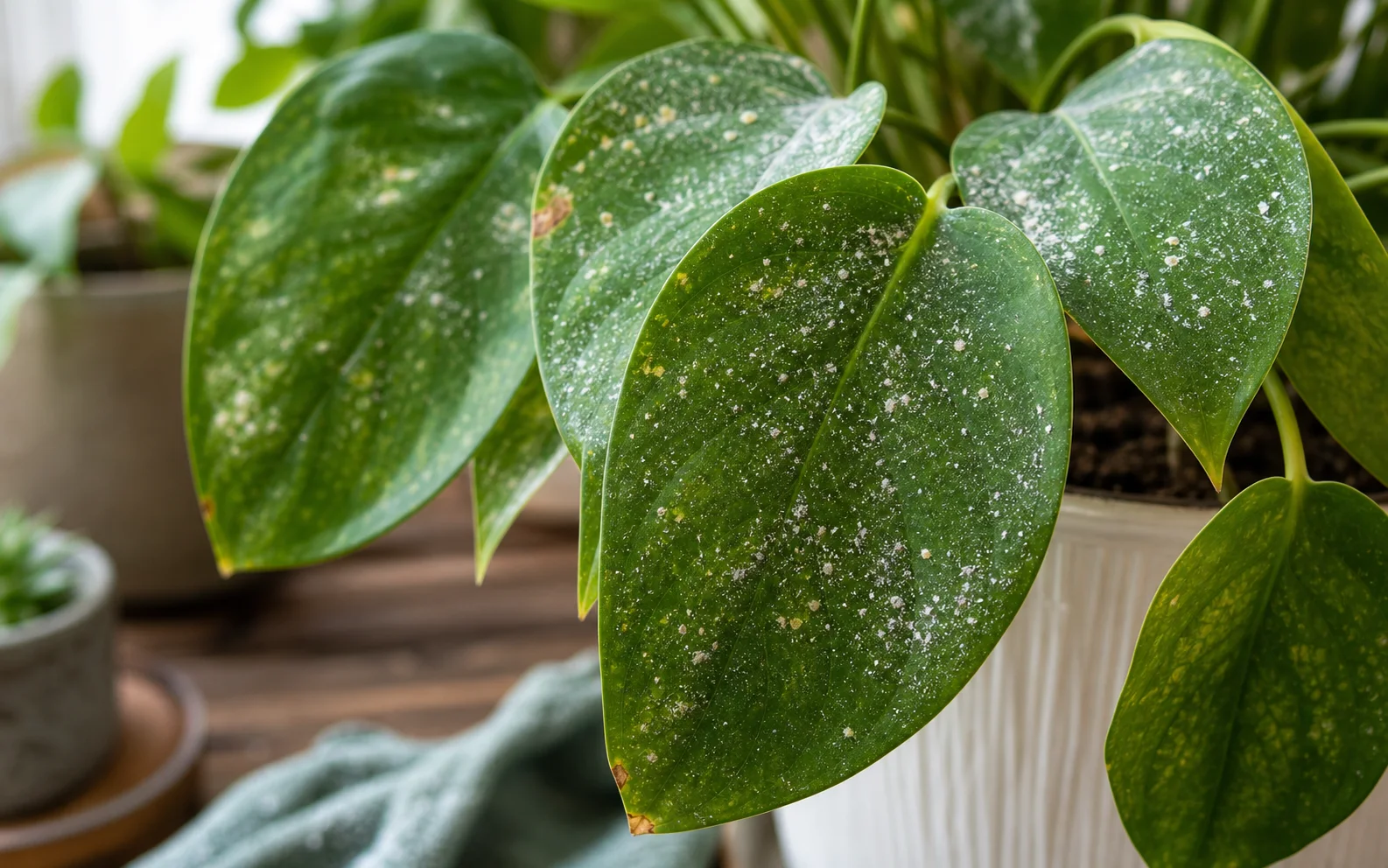 White Spots on LeavesWhite spots can be mineral residue, pest damage, powdery mildew, edema, sun damage, or natural markings. The first step is to decide whether the spots wipe off, spread, move, or follow a care pattern.
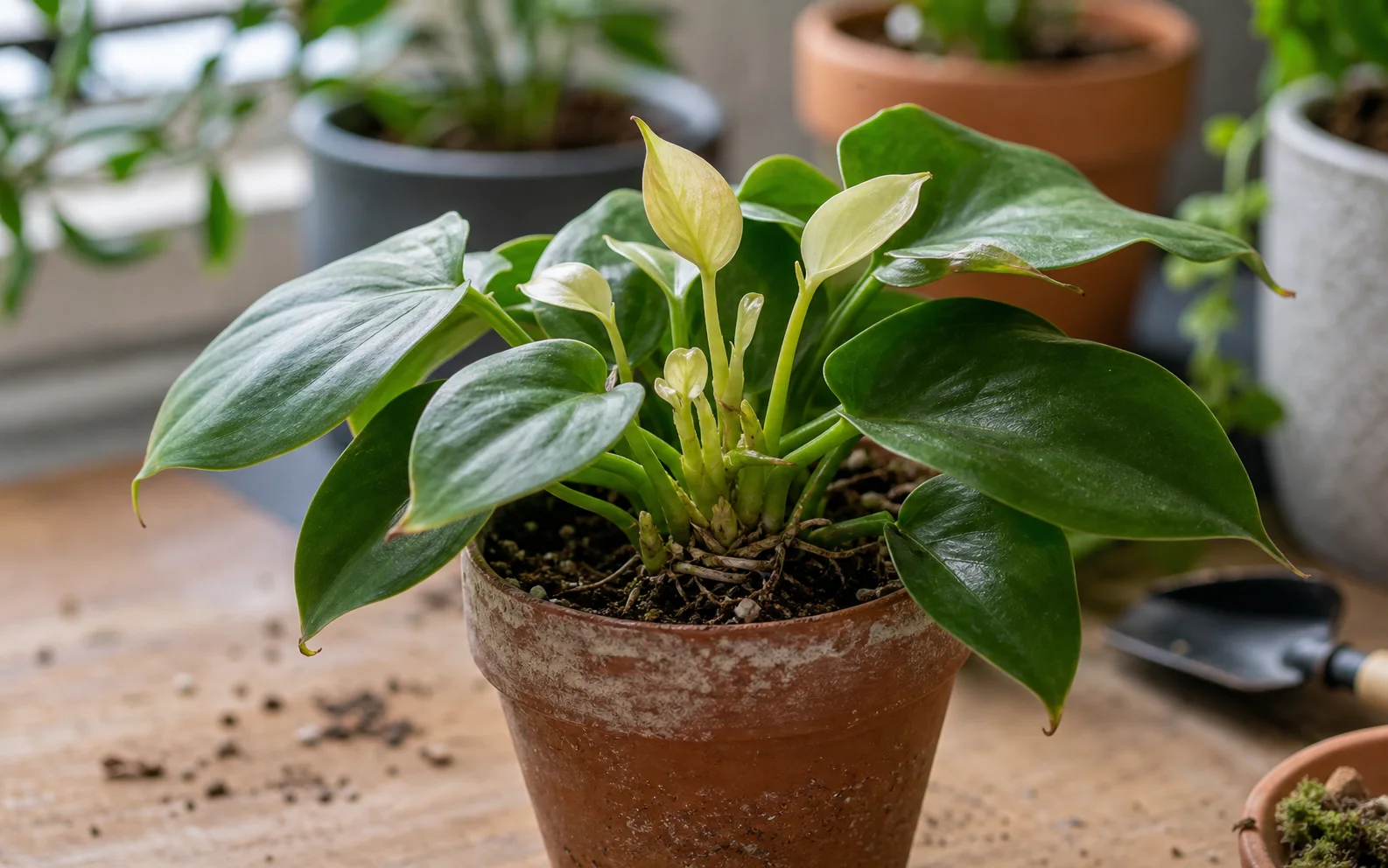 Plant Not GrowingA plant that is not growing may be resting, underlit, root-bound, overpotted, underfed, stressed, or still recovering. The fix depends on whether conditions can support new growth.
Collections Featuring This Plant
Compare this plant with nearby choices before buying another pot or moving it to a different room. Collections are organized by light, humidity, routine, safety, and growth habit.
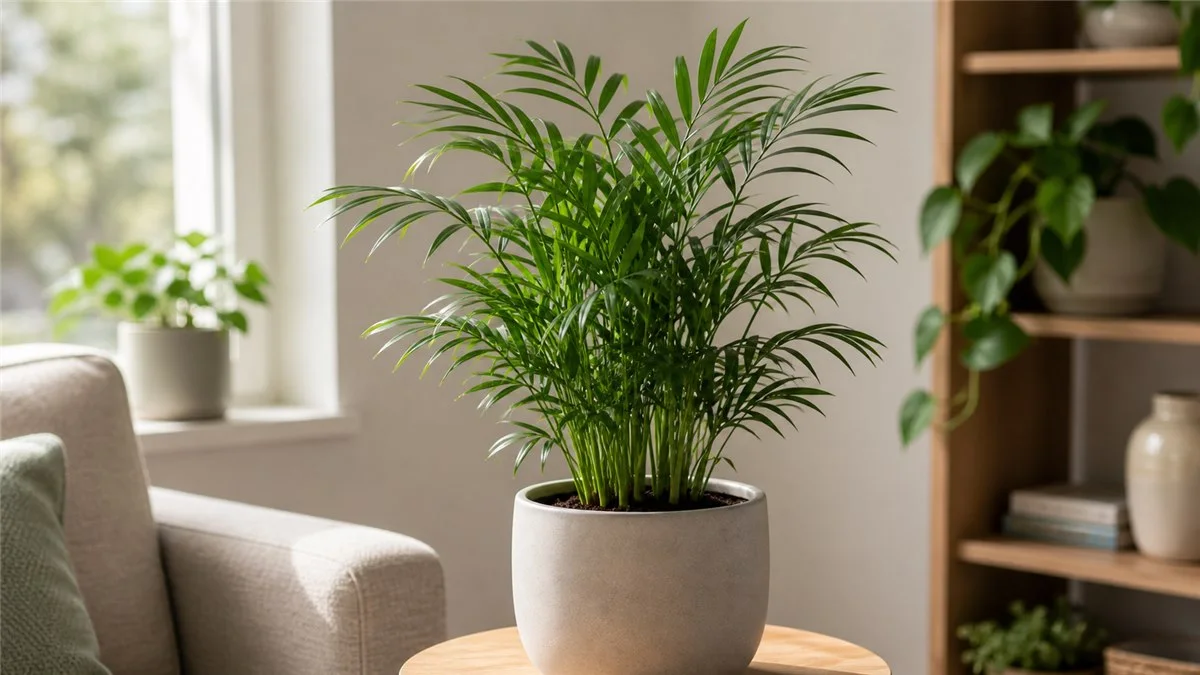 Pet-Safe HouseplantsThis collection focuses on houseplants commonly grown in pet households. Pet-safe does not mean chew-proof or risk-free, but these choices are better starting points than toxic foliage plants when animals investigate leaves.
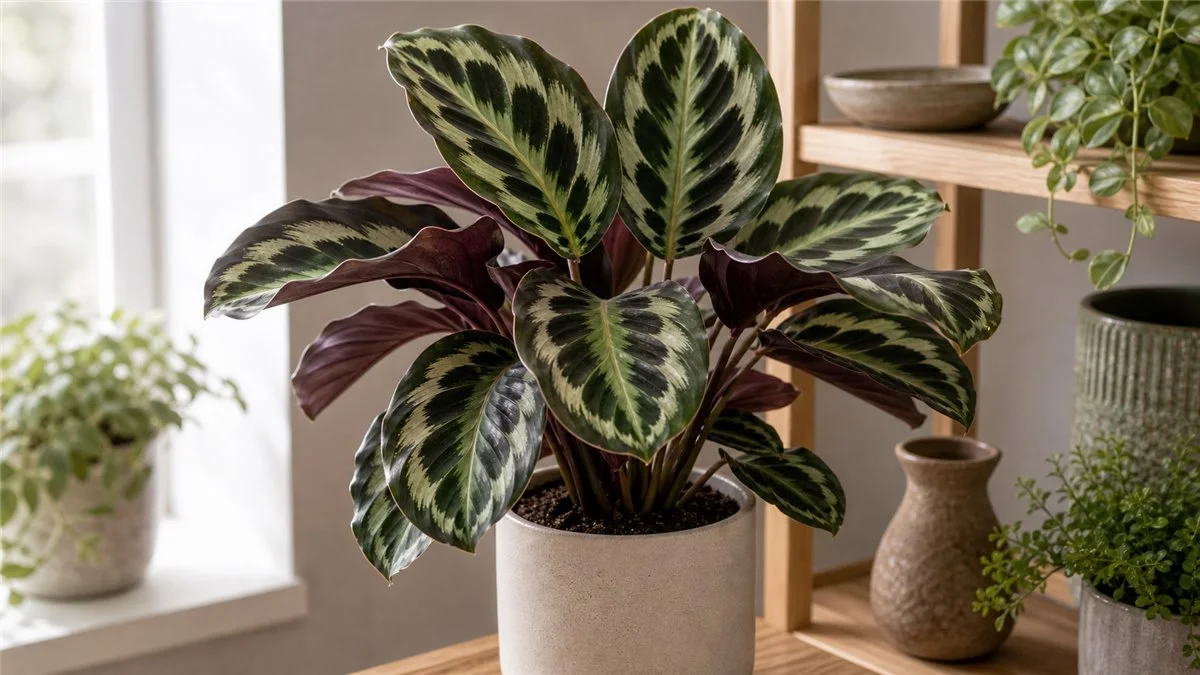 Plants That Like HumidityHumidity-loving plants can look dramatic and lush, but they often need more consistent care than drought-tolerant plants. Use this collection for bathrooms, kitchens, grouped plant shelves, and homes where dry air causes crispy edges.
Care Notes
- Use orchid bark.
- Check roots before watering.
- Cut only fully dried flower spikes unless shaping rebloom.
Before You Change Care
Check soil moisture, light exposure, pot drainage, recent moves, temperature swings, and pest signs before changing several variables at once. Most houseplants respond more clearly when you adjust one likely issue, then watch new growth.
Pet and Household Safety
Generally considered non-toxic to pets. Plant identity matters, because common names can overlap. If a pet or child chews the plant and symptoms appear, contact a veterinarian, poison control service, or local medical professional rather than waiting on a plant-care guide.